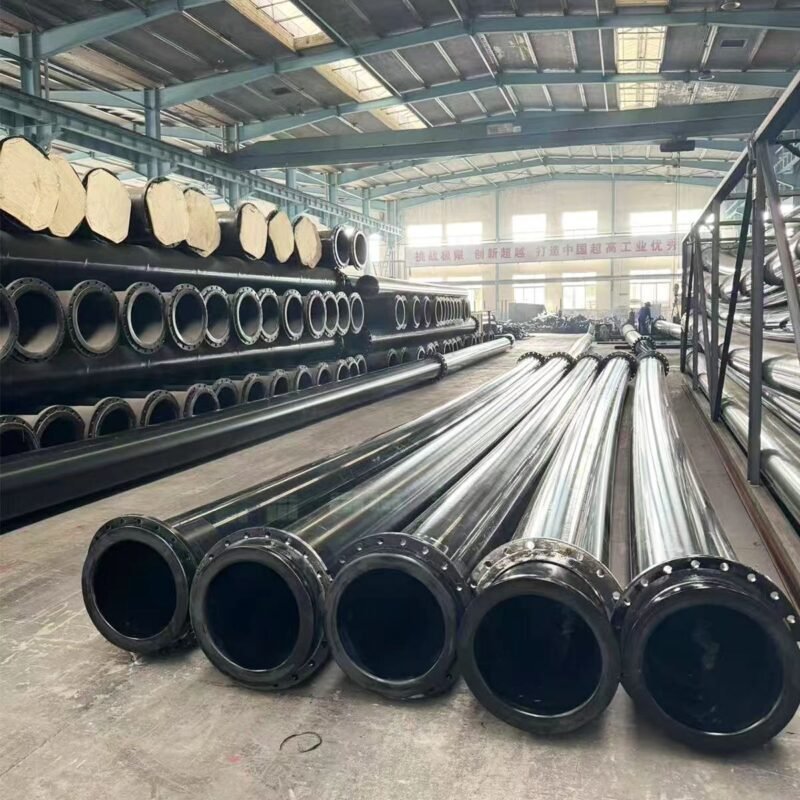
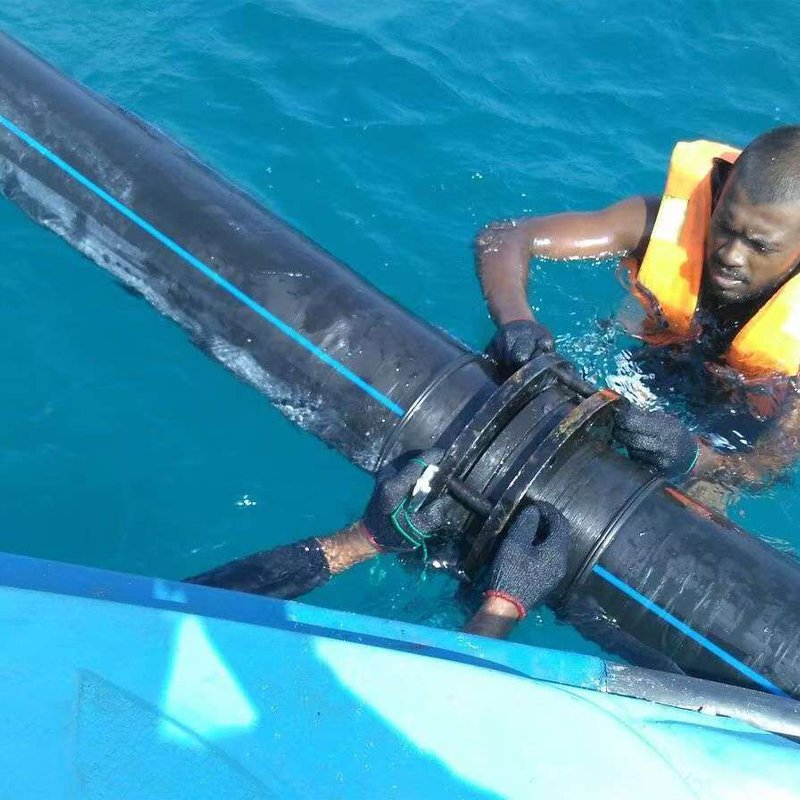
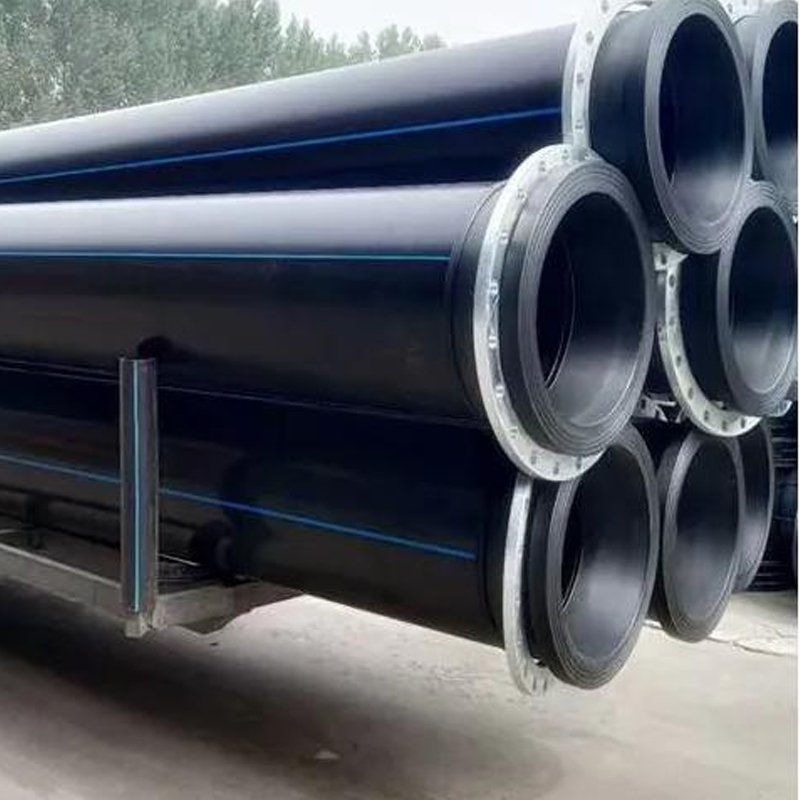
Guide to Characteristics and Selection of Live Flange Dredging Rubber Hoses
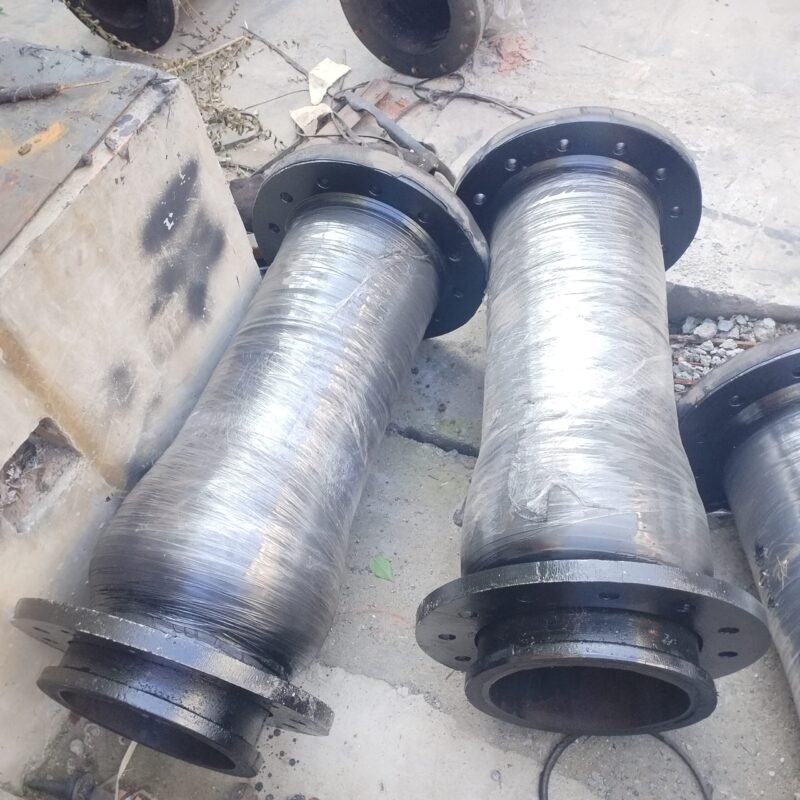
The live flange dredging rubber hose is a very important flexible connecting pipe in dredging projects, especially suitable for use in slurry pipelines that need to cope with waves, displacement, and complex operating conditions.
The following table summarizes its core information for your quick understanding:
| Characteristic Dimension | Description |
|————————–|————-|
| Core Function | As a flexible connecting component in the dredging pipeline system, it is used to convey media such as sludge, water, and gravel.
| Key Features | One or both ends of the hose body are connected with live flanges, fixed through methods such as binding steel wires, allowing a certain degree of angular deflection.
| Main Advantages | Easy to install, can effectively compensate for pipeline misalignment, absorb swinging and impact caused by waves, and extend the pipeline service life.
| Common Applications | Dredger slurry pipelines, water conservancy projects, river channel dredging, coal mine extraction, and other dredging and slurry discharge fields.
🔗 Analysis of Live Flange Design
The ‘live flange’ design is the key feature of this rubber hose. It differs from traditional fixed flanges in the following ways:
• Flexible Connection: The flange is not permanently fixed to the hose body and can rotate flexibly. This allows easy adjustment of bolt hole positions when replacing pipelines or making connections, significantly reducing assembly difficulty and labor time.
• Anti-Disengagement Structure: A short anti-disengagement tube is typically placed inside the hose. Its front anti-disengagement ring works with the live flange structure to effectively prevent the hose body from disengaging under pressure.
• Resistance to Misalignment and Twisting: This design solves the common issues of misalignment and twisting that occur during connection of traditional pipelines. It not only makes installation smoother but also reduces abnormal stress on the pipeline, thereby extending the overall service life.
🛠️ How to Select Based on Operating Conditions
Choosing a suitable live flange dredging rubber hose requires comprehensive consideration of the following technical parameters:
• Pipe Diameter (Inner Diameter): It must match your existing conveying pipeline system. Common specifications range from several tens of millimeters to over one meter, such as 410mm, 560mm, 650mm, and some manufacturers can produce extra-large pipes with an inner diameter of up to 1100mm.
• Working Pressure: Determine based on the pressure of the conveying system. For example, some products have a working pressure of around 0.4-0.5 MPa, while large-diameter suction and discharge mud hoses can withstand pressures of 1-10 MPa.
• Skeletal Structure: The hose body is usually reinforced by multiple layers of fabric interlayers and spiral steel wires. The more layers and the larger the steel wire diameter, the stronger the hose body’s pressure resistance and negative pressure resistance generally are.
• Rubber Material: The inner rubber layer directly contacts the conveying medium, so its wear resistance is crucial. Mainstream materials include Natural Rubber (NR) and Ethylene Propylene Diene Monomer Rubber (EPDM). Natural rubber has good overall performance, while EPDM is superior in ozone and aging resistance.
• Length and Flange Standard: The length of a single hose, as well as the dimensions of the flange, the number of bolt holes, and the center distance, all need to ensure perfect interface with your equipment.
💡 Usage and Maintenance Recommendations
To ensure safety and extend the service life of the rubber hose, please note the following:
• Regular Inspection: Focus on checking inner wall wear, whether the outer rubber layer is cracked or bulged, and if the flange joint and binding steel wires are loose or corroded.
• Correct Connection: During installation, ensure that the live flange is aligned with the interface flange, and avoid forcing the hose body into a twisted position for connection to prevent initial stress.
• Standard Operation: Try to avoid operating under conditions exceeding the design pressure, and pay attention to preventing the hose body from being scratched by sharp objects.
💎 Summary
Live flange dredging rubber hoses, with their unique live flange design, provide indispensable flexibility and reliability in complex dredging environments. It is hoped that the above information helps you fully understand this product. If you can provide more specific application scenarios (such as which type of dredger it is used on, or specific details about the conveying medium), I can help you sort out more targeted selection recommendations.