Features of the Inner Rubber Layer of Slope-Climbing Hoses and Selection Recommendations
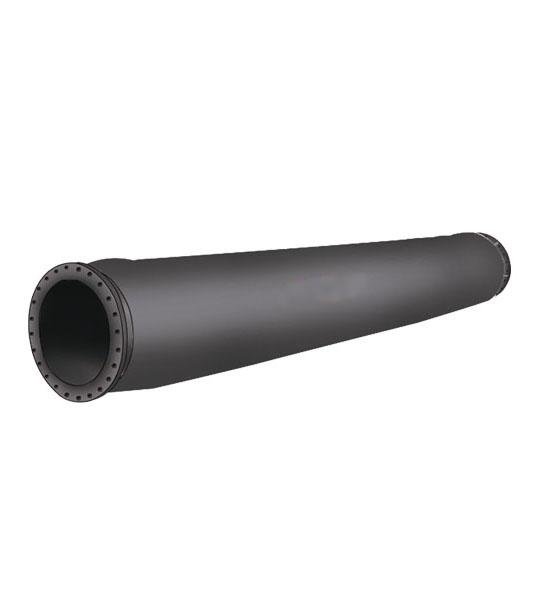
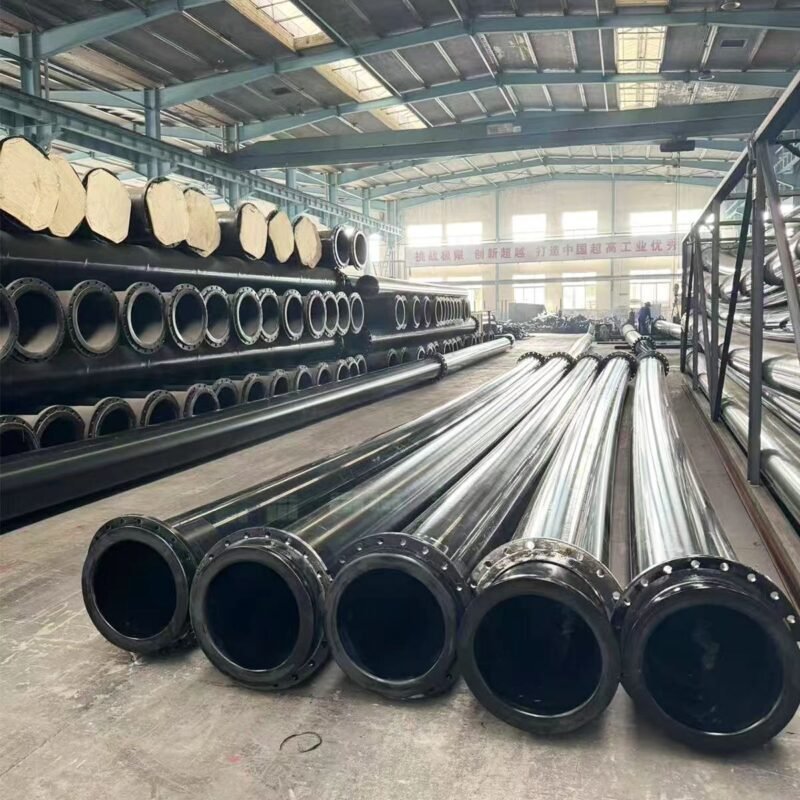
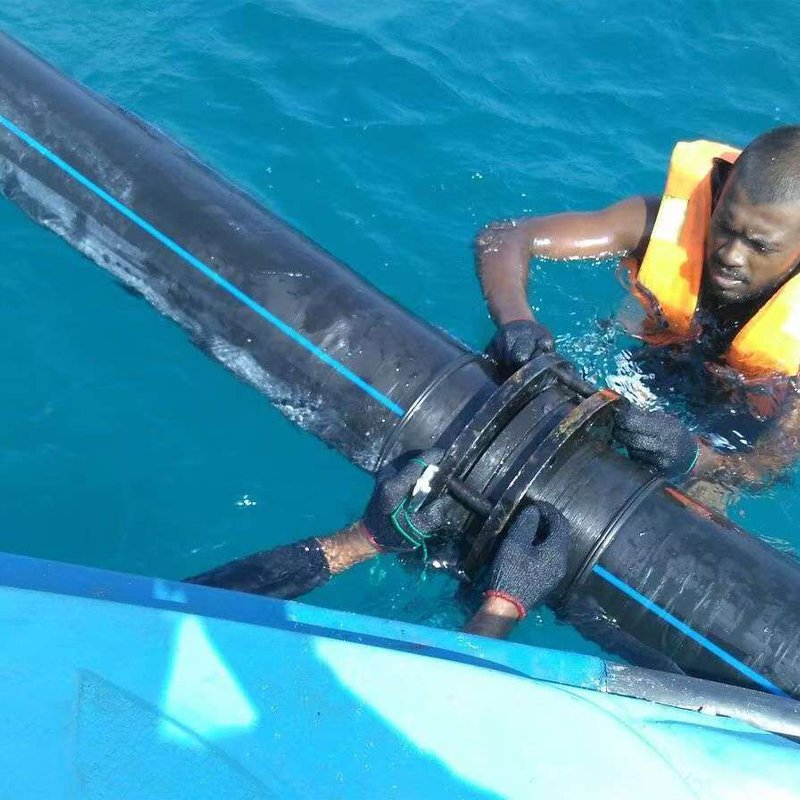
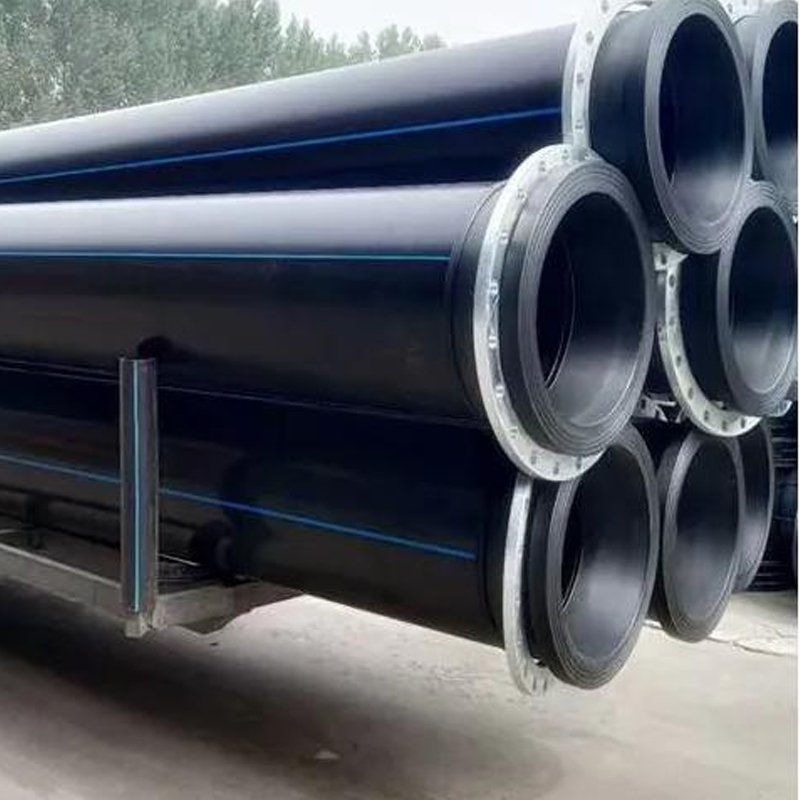
Slope-climbing rubber hoses\” typically refer to wear-resistant conveying soft tubes used in engineering projects such as mines, coal mines, and tunnels for transporting solid particulate materials (e.g., coal, ore, mud and sand). These hoses are often dragged or climbed along inclined drifts or ground during use, thus requiring extremely high wear resistance, crush resistance, and flexibility. The \”inner rubber layer\” is a core component of such hoses, directly determining their conveying performance and service life.
Detailed characteristics of the inner rubber layer of slope-climbing hoses:
1. Core Functions:
• Wear resistance: This is the most critical property. The inner rubber layer needs to withstand continuous scouring and scraping by solid particles, especially sharp ore.
• Tear resistance: To prevent puncture or tearing by large, sharp objects in the material.
• Corrosion resistance: To resist erosion from moisture, acidic or alkaline substances that may be present in the conveyed material.
• Low friction coefficient: A smooth inner wall reduces conveying resistance, improves conveying efficiency, and prevents blockages.
• Certain elasticity and flexibility: To adapt to bending during slope climbing and terrain changes.
2. Common Materials:
• Natural rubber (NR) or blends with synthetic rubber: Natural rubber offers excellent elasticity, wear resistance, and tear resistance, making it a classic choice.
• Wear-resistant synthetic rubbers: Such as styrene-butadiene rubber (SBR) and butadiene rubber (BR), which are often blended with natural rubber to optimize performance, reduce costs, or enhance specific properties (e.g., low-temperature resistance).
• Specialty rubbers: For materials with special chemical corrosivity, chloroprene rubber (CR) or nitrile butadiene rubber (NBR) may be used.
• Addition of wear-resistant fillers: Large amounts of carbon black or other wear-resistant additives are incorporated into the rubber formula, a key means to enhance wear resistance.
3. Structural Design Features:
• Greater thickness: Typically much thicker than the inner rubber layer of ordinary water pipes or air hoses to provide sufficient wear allowance. Common thickness ranges from 3mm to 8mm or even thicker, depending on operating conditions.
• Smooth inner wall: Usually ensured through mold or process treatment to guarantee a flat, smooth, and defect-free inner surface, reducing friction resistance.
• Possible reinforcement design: In some ultra-wear-resistant models, the inner rubber layer may adopt special formulas or structures, such as composite wear-resistant layers.
4. Common Standards and Markings:
• Such hoses generally comply with relevant national standards (e.g., GB, MT standards) or enterprise standards.
• Models may be marked with words like \”wear-resistant,\” \”mining-use,\” or \”MT\”.
• The color is usually black (due to high carbon black content), but other colors (e.g., red, green) may be used to identify different types or manufacturers’ products.
Common Causes of Inner Rubber Layer Damage
Even with high wear resistance, the inner rubber layer can be damaged in harsh slope-climbing environments:
• Abnormal wear: Excessive hard particles in the conveyed material, excessive angles, or localized over-bending friction of the hose body.
• Cutting or puncturing: Scratches from sharp edges of metal or rock.
• Aging: Long-term exposure to ozone and sunlight causes the rubber to harden and crack.
• Chemical corrosion: Presence of strongly corrosive components in the conveyed material.
Selection Recommendations:
When choosing inclined conveyor hoses, special attention should be paid to the inner rubber layer:
1. Clarify operating conditions: Inform the supplier of the specific material being conveyed (particle size, hardness, corrosiveness), maximum particle size, working pressure, ambient temperature, incline angle, etc.
2. Check parameters: Pay attention to the product’s wear resistance indicators (such as wear volume), working pressure, and minimum bending radius.
3. Physical inspection: Check if the inner wall is smooth and flat, if the thickness is uniform, and the elasticity of the rubber.
4. Choose reputable brands: Professional manufacturers offer better guarantees in terms of rubber formula and production processes.
In summary, the inner rubber layer of an inclined conveyor hose is a special rubber layer centered on ‘superior wear resistance’, while also Balances tear resistance, corrosion resistance, and low resistance (balancing tear resistance, corrosion resistance, and low resistance). It is the most critical part that determines whether the hose can work durably in the harsh mining incline environment. If you have specific application scenarios or encounter selection issues, please provide more details for more accurate analysis.