End Dredging Rubber Hose Preventive Maintenance Recommendations
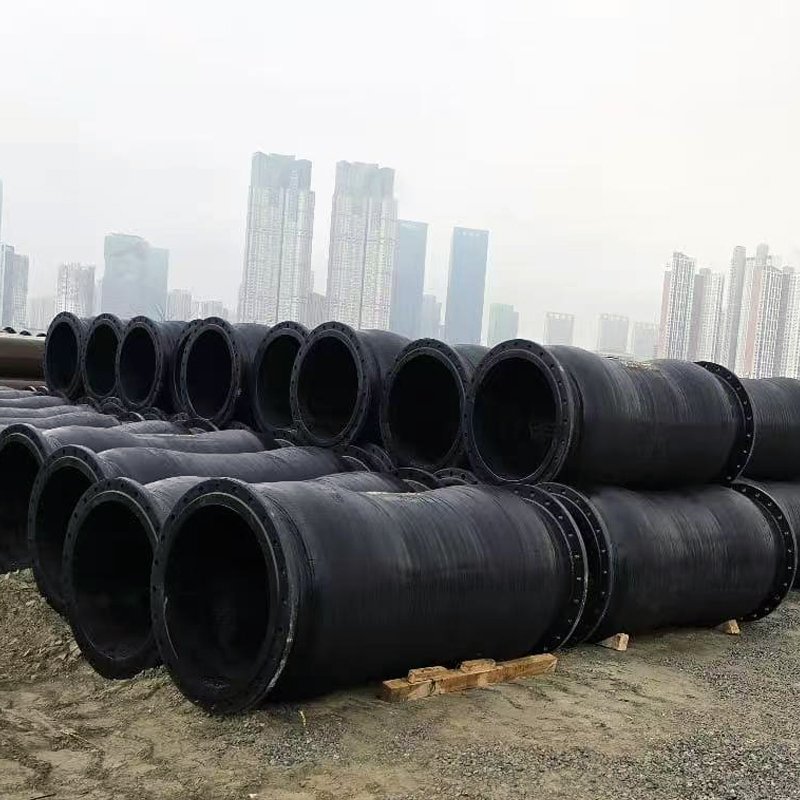
For preventive recommendations regarding the end dredging rubber hose (typically a wear-resistant hose used for suctioning abrasive materials such as mud, gravel, etc.), the core lies in preventing premature wear, tearing, and overall damage to the ends, thereby extending its service life.
The following are comprehensive preventive suggestions covering the entire process from selection, installation, use to maintenance:
I. Correct Selection is the Foundation of Prevention
Before purchasing rubber hoses, ensure their specifications and performance meet your working condition requirements.
1. Abrasion-Resistant Layer Material: Choose hoses specifically designed for dredging, with ultra-high abrasion-resistant linings (such as UHMW-PE) or special formula abrasion-resistant rubber. Inform suppliers of the specific components (silt, gravel, slag, etc.), particle size, and hardness of the medium being conveyed.
2. Reinforcement Layer Structure: Select appropriate reinforcement layer (wire, fiber) strength and number of layers based on working pressure. Dredging working conditions involve significant pressure fluctuations, so a safety margin should be left.
3. End Structure Reinforcement:
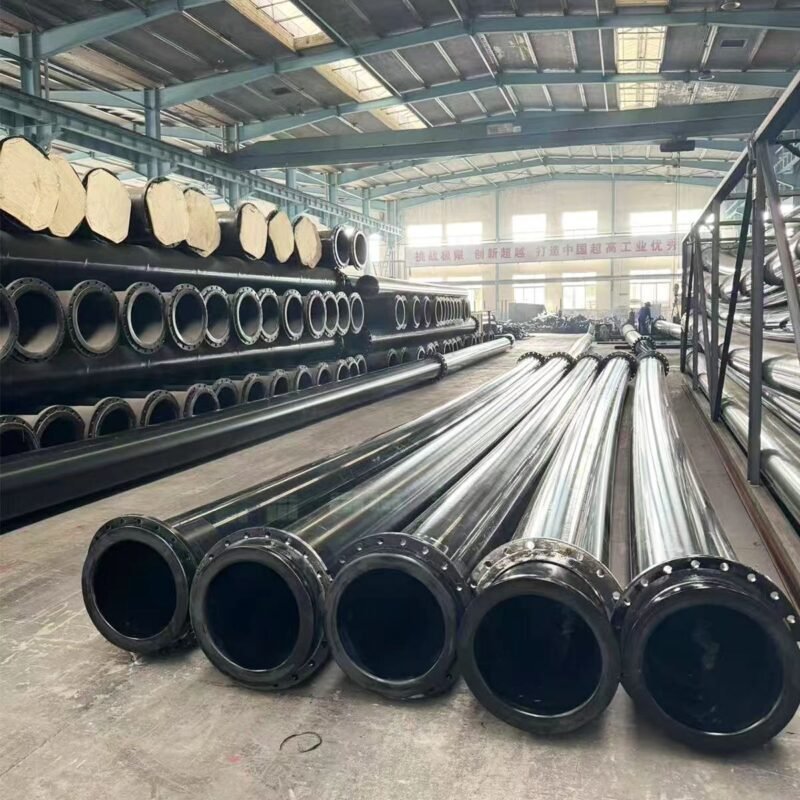
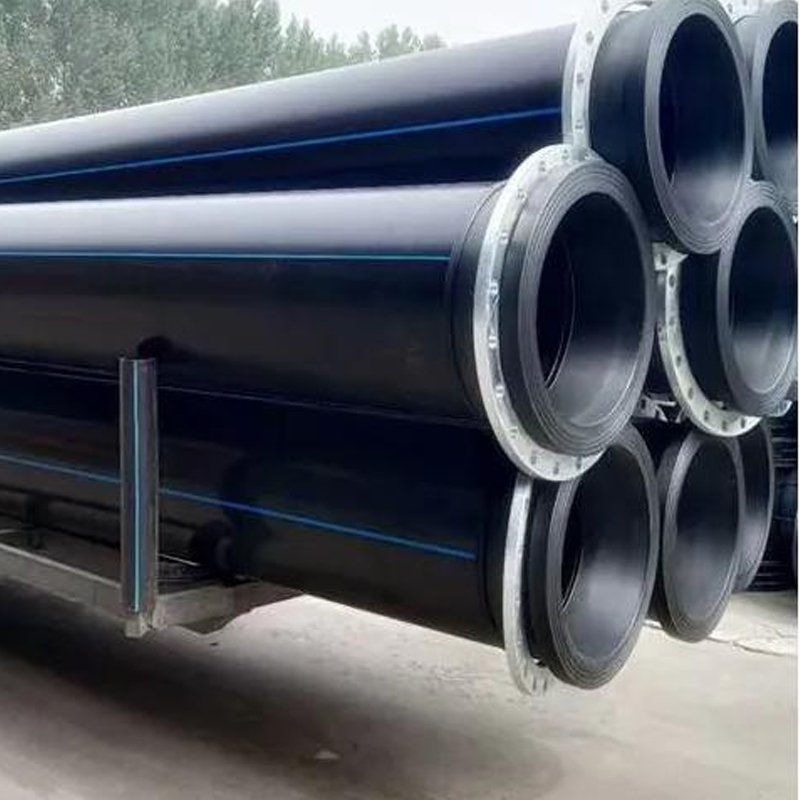
• Preferred flanged ends: Flanges provide a uniform force-bearing surface, avoiding localized stress concentration in clamps.
• Thickened end design: Many professional dredging rubber hoses have additional rubber thickening in the end area to offer better anti-bending and anti-abrasion capabilities.
• External reinforcement rings: Some designs feature metal or rubber reinforcement rings on the end exterior, effectively preventing excessive bending of the end and friction with connecting components.
II. Standard Installation and Connection
Incorrect installation is one of the main causes of end damage.
1. Alignment is key: Ensure the hose is perfectly aligned with the pump, steel pipe, or other pipelines. Any angular deviation will generate continuous torque and stress at the end, leading to premature fatigue and tearing.
2. Use appropriate seals: Use properly sized gaskets to ensure effective sealing, but do not squeeze the flange with excessive force.
3. Evenly tighten bolts: Tighten flange bolts in a diagonal sequence in stages and evenly to ensure the flange faces are parallel and properly seated, avoiding uneven loading. Use a torque wrench to reach the recommended torque value.
4. Avoid initial bending stress: During installation, do not allow the hose to be in a bent state at the connection. It should maintain a naturally straight path.
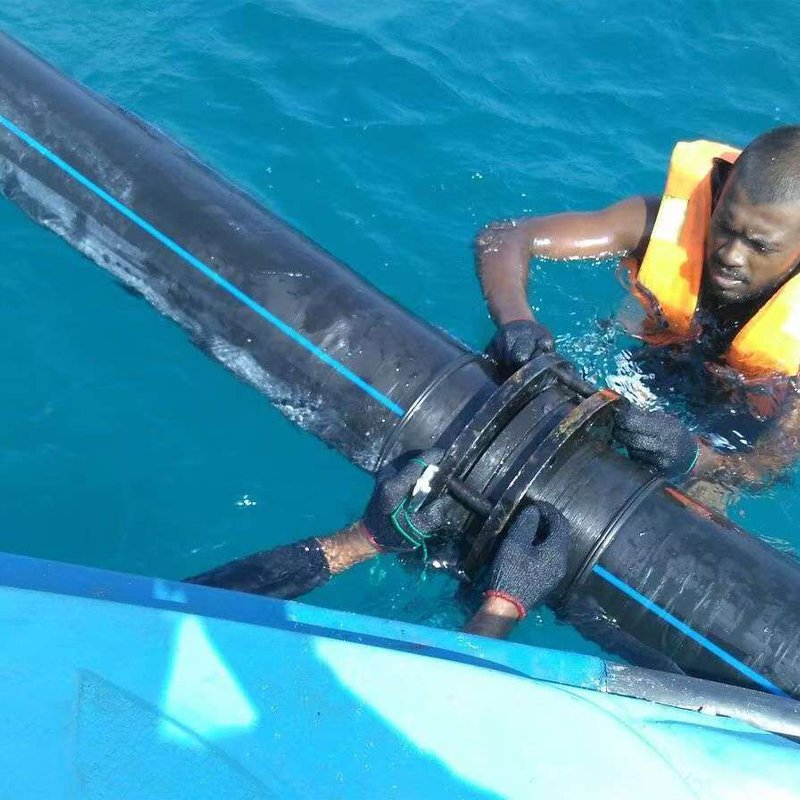
5. Clamp selection and installation: If using clamps (non-flanged),must choose heavy-duty, durable clamps and install them on the designated reinforced areas of the hose, with appropriate tightening force.
III. Scientific Use and Operation
Daily operating habits directly affect the lifespan of the hose end.
1. Avoid sharp bends and twisting: In areas near the end, sharp bends smaller than the hose’s minimum bending radius are strictly prohibited. During operation, take care to prevent the hose from twisting.
2. Reduce suspended sections: If possible, use floats or supports to suspend long sections of the hose, reducing the tension and gravitational load on the end connection.
3. Operate smoothly: When starting and stopping the pump, operate as smoothly as possible to avoid sudden pressure increases or decreases (water hammer effect) that can impact the end.
4. Pay attention to wear locations: Regularly inspect the hose, especially wear near the ends. If severe localized wear is found, consider rotating the hose periodically (e.g., rotating 120° after a certain period of use) to distribute wear evenly.
IV. Active Maintenance and Protection
Preventive maintenance can significantly extend the service life.
1. End Protection Enhancement:
• Wrapping Protective Sleeves: Wrap a specialized wear-resistant and impact-resistant protective sleeve around the external end, such as polyurethane sleeves, ceramic composite sleeves, or heavy-duty rubber armor.
• Applying Wear-Resistant Adhesive: There are specialized liquid wear-resistant rubber materials available on the market that can be applied to the easily worn areas of the end to form a protective layer.
• Installing Wear-Resistant Rings: Install a rotatable wear-resistant ring behind the end. When the hose rubs against the ground or the hull, the wear-resistant ring rotates instead of the hose itself.
2. Regular Inspections:
Establish a regular inspection system, focusing on:
• Whether there are bulges, deformation, or cracks at the end.
• Whether the reinforcement layer (steel wire or fiber) is exposed.
• Whether the flange bolts are loose or corroded.
• Whether the hose clamps are rusted or loose.
3. Cleaning and Storage:
After use, the interior should be flushed clean to prevent material deposition. During storage, avoid direct sunlight, extreme temperatures, and oil contamination. Store them in a straight position or on large-diameter reels to prevent folding and compression.
Summary
To effectively prevent damage to the end of dredging rubber hoses, a systematic approach is needed:
• Pre-operation: Select the correct type, choosing products with enhanced end protection.
• During operation: Ensure proper installation with alignment and smoothness; operate scientifically to avoid improper stress and impact.
• Post-operation: Conduct active maintenance by adding protective sleeves, regular rotation, and inspections to promptly identify and address issues.
Following these recommendations, although the initial investment may be slightly higher, it can significantly reduce downtime and replacement frequency. In the long run, it is a more economically beneficial and safety-guaranteed choice.