Dredging armored hose vs. regular hose
There are significant differences between dredging armored hoses and regular hoses in terms of design, performance, and application scenarios, mainly reflected in structure, durability, applicable environments, etc. Here is a detailed comparison:
1. Structural Design:
– Reinforcement Layer: Multiple layers of high-strength steel wire or steel band armor (usually helically wound or braided) vs. ordinary fibers (such as polyester, nylon) or single-layer steel wire braid.
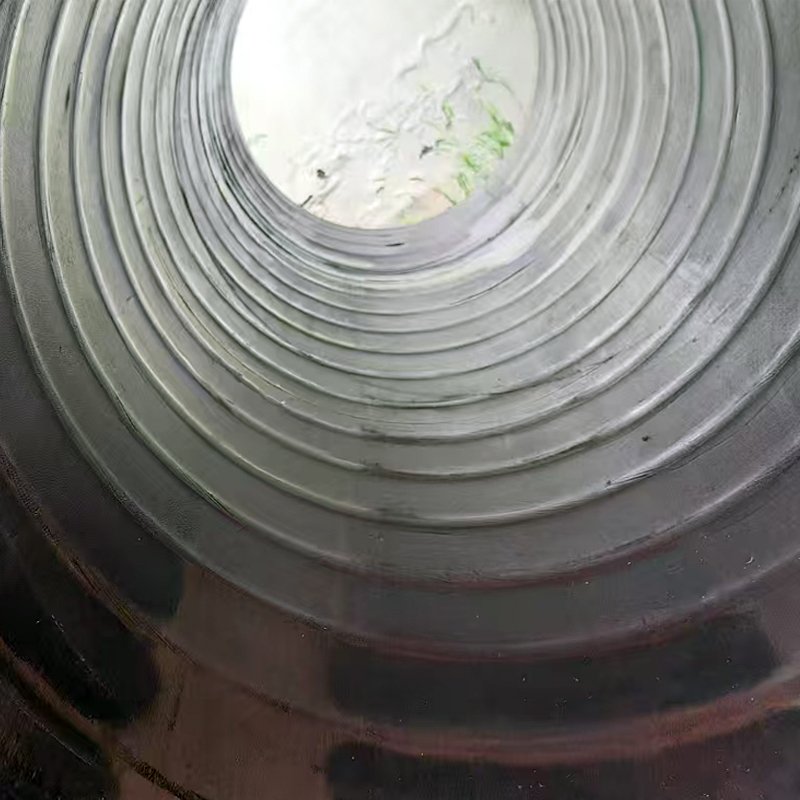
– Inner/Outer Rubber Layers: Wear-resistant rubber (such as natural rubber, nitrile rubber, or polyurethane) vs. ordinary rubber or PVC material.
– Pressure Resistance: Extremely high, capable of withstanding high and negative pressure vs. general, suitable only for medium and low-pressure scenarios.
2. Performance Characteristics:
– Abrasion Resistance: Extremely strong, suitable for abrasive media such as mud, sand, and gravel vs. general, suitable only for conveying low-abrasive fluids.
– Impact Resistance: Excellent, resistant to external force compression or impact (such as dredging operations) vs. weak, easily punctured or torn by sharp objects.
– Negative Pressure Resistance: Designed to prevent collapse (such as in sand pump conditions) vs. may deform or collapse under negative pressure.
– Bending Flexibility: Lower (armored layer restricts) vs. higher, suitable for scenarios requiring frequent bending.
3. Application Scenarios:
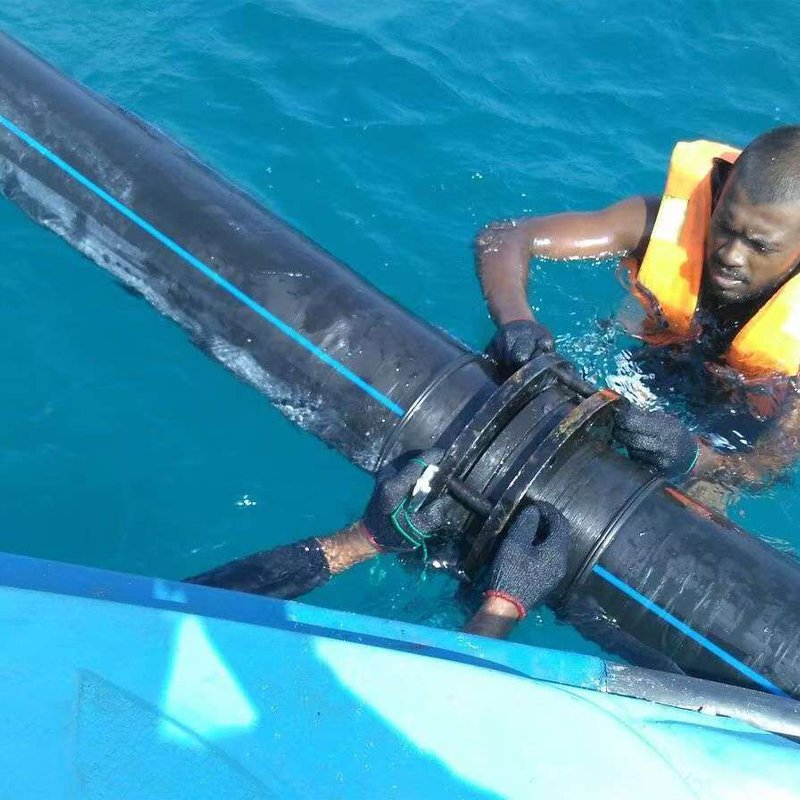
– Dredging Armored Hose: Suitable for river dredging, dredgers, mine tailings conveyance, high-pressure sand pumping; not suitable for applications requiring extremely high flexibility.
– Regular Hose: Suitable for agricultural irrigation, low-pressure water conveyance, chemical liquid conveyance, air ducts; avoid high abrasion, high pressure, or mechanical damage environments.
4. Lifespan and Cost:
– Lifespan: Armored hoses have longer lifespans in harsh environments (e.g., dredging conditions can last 3-5 times longer than regular hoses).
– Cost: Armored hoses are more expensive (due to complex materials and processes), but offer better cost-effectiveness over long-term use.
5. Other Differences:
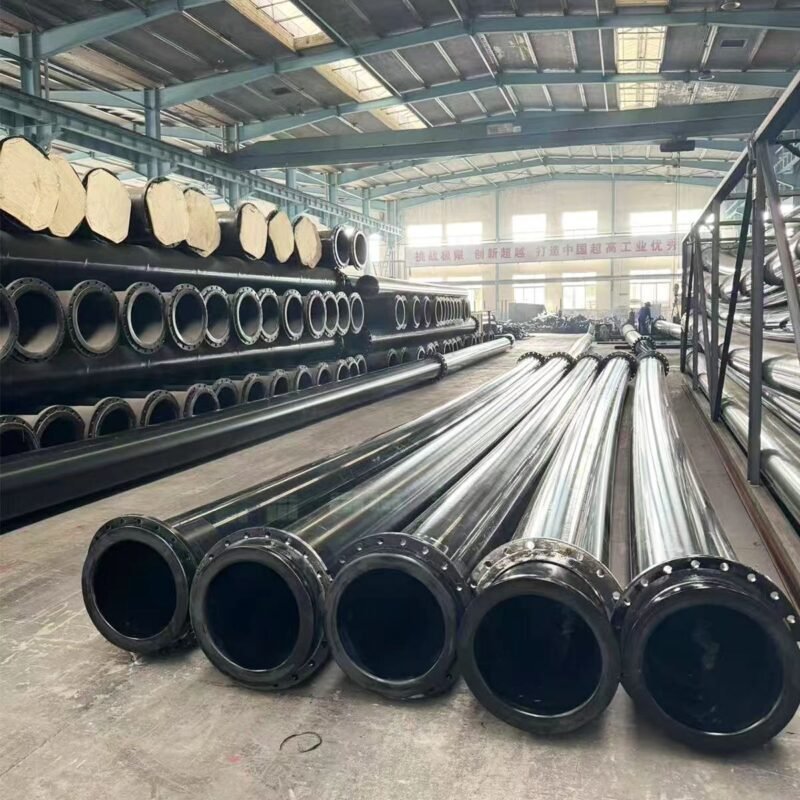
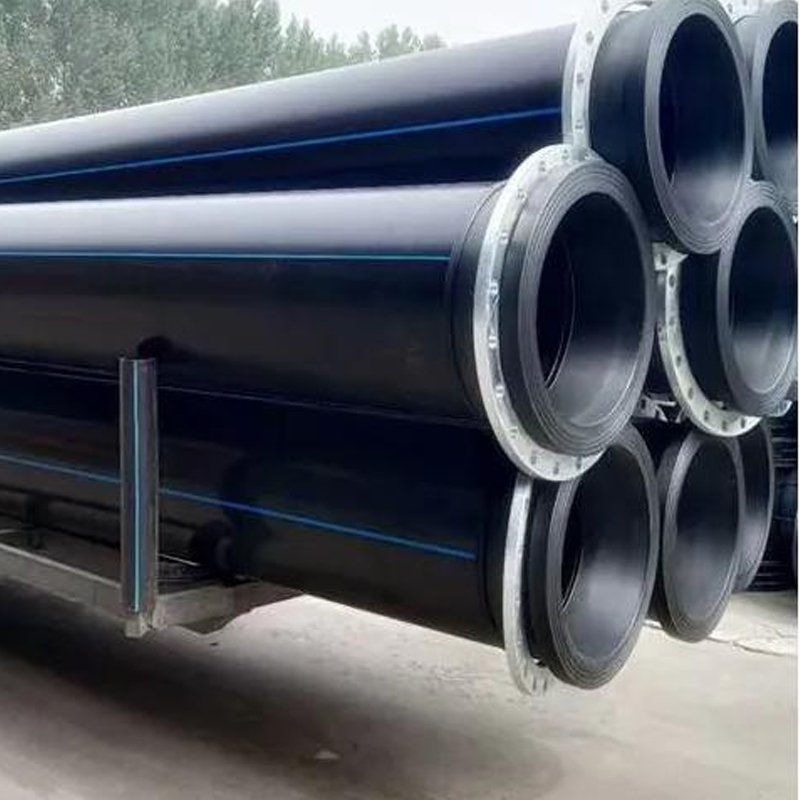
– Connection Method: Armored hoses often use flanges or high-strength clamped joints, while regular hoses commonly use quick couplings or clamps.
– Weight: Armored hoses are heavier, requiring mechanical assistance for handling.
Selection Recommendations:
– Choose armored hose for high abrasion, high pressure, negative pressure, or mechanical impact conditions (such as dredging, mining).
– Choose regular hose for low pressure, low abrasion, and scenarios requiring lightweight and flexibility (such as irrigation, drainage).
Based on specific working conditions (such as particle size of the medium, pressure range, bending frequency), a comprehensive assessment can further optimize selection.