Disadvantages of semi-floating rubber hoses
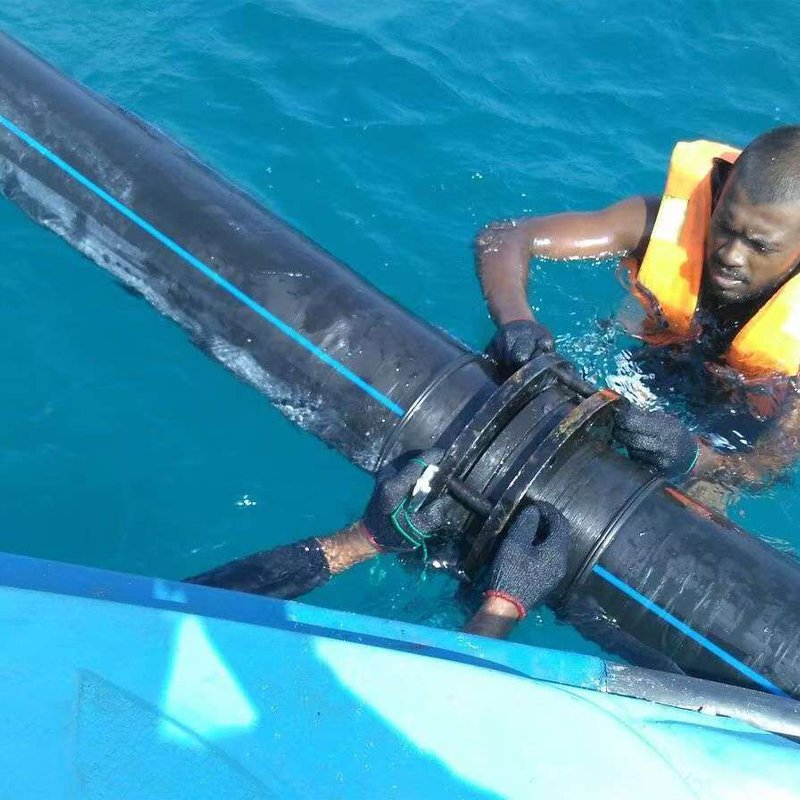
Semi-self-floating rubber hoses can provide buoyancy and flexibility in specific applications, but they also have some obvious drawbacks. To help you understand quickly, I will summarize the main disadvantages of semi-self-floating rubber hoses and their underlying reasons in a table:
🛠️ Complex structure with high maintenance cost.
The multi-layer composite structure may result in the entire section of pipe being scrapped due to local damage , and the cost of repair or replacement is high.
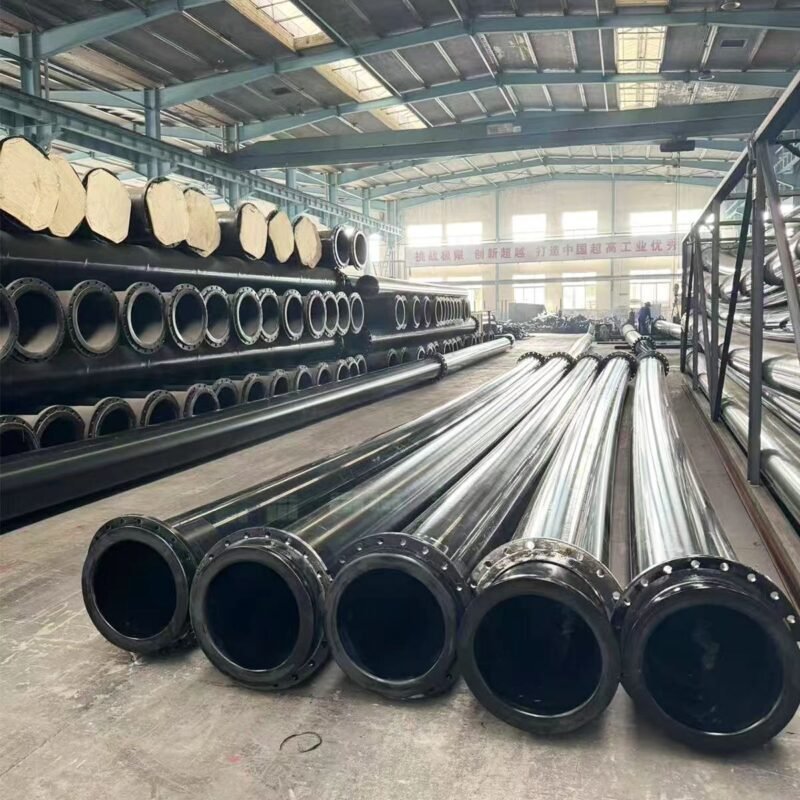
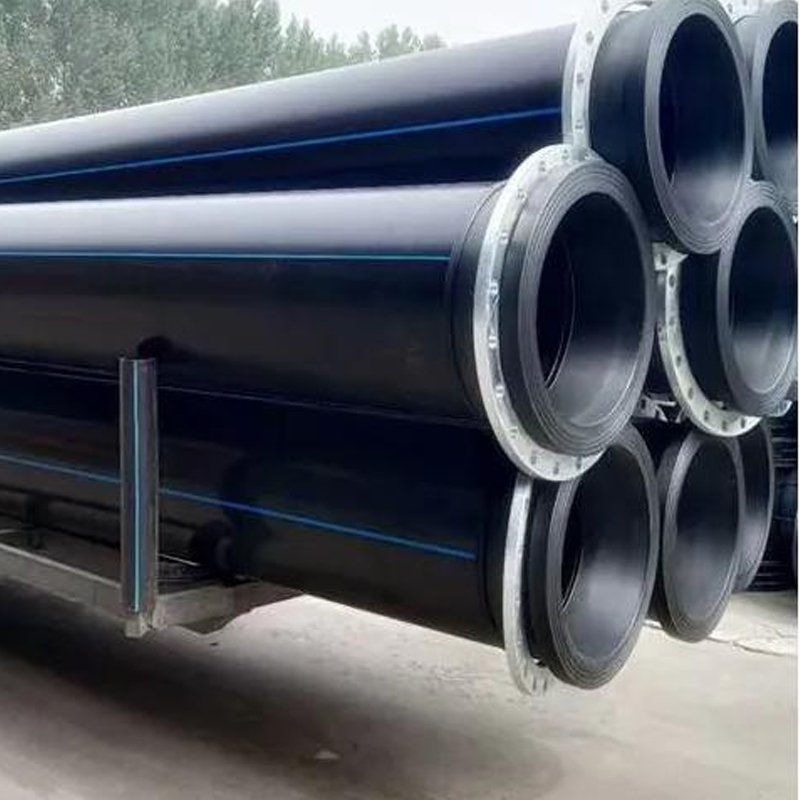
Shipping and handling are inconvenient due to its large and bulky size.
It occupies a significant amount of space during transportation and requires large lifting equipment for loading and unloading, which increases the usage cost.
💰 The initial investment is relatively high.
Due to complex manufacturing processes and special materials-, its one-time procurement price is usually higher than that of traditional plastic floating bodies or steel floating boxes.
Limited environmental adaptability.
Stability may be insufficient in rapid currents and waves -1. If the ozone aging resistance is not up to standard, the surface is prone to cracking after long-term outdoor use, especially in coastal areas . Poor low-temperature flexural performance can lead to brittleness and cracking in cold conditions .
⚙️ Buoyancy Distribution and Durability Issues
If part of the float is damaged (such as a broken rubber protective layer , buoyancy material getting waterlogged ), it will lead to reduced buoyancy or uneven distribution; when the reinforcement layer is not bonded well with the rubber, the pipe body is prone to damage under pressure .
💡 Purchase and Usage Recommendations
• Pay attention to quality certification: When purchasing, check if the product has valid qualification documents and pay attention to test reports for key indicators such as pulse performance, minimum burst pressure, low-temperature flexing performance, and ozone resistance .
• Select according to working conditions: It is essential to choose the appropriate hose body based on specific construction environment, characteristics of the medium being transported, working pressure, and frequency .
• Regular inspection and maintenance: During use, regularly check the rubber hose for external damage, blistering, cracking, etc. , and pay special attention to whether the buoyancy material may be waterlogged .
I hope this information helps you fully understand the disadvantages of semi-floating rubber hoses. If you can share the specific scenarios or working conditions where you plan to use semi-floating rubber hoses, I may be able to provide more targeted analysis. 8 web pages