Disadvantages of inclined rubber pipelines
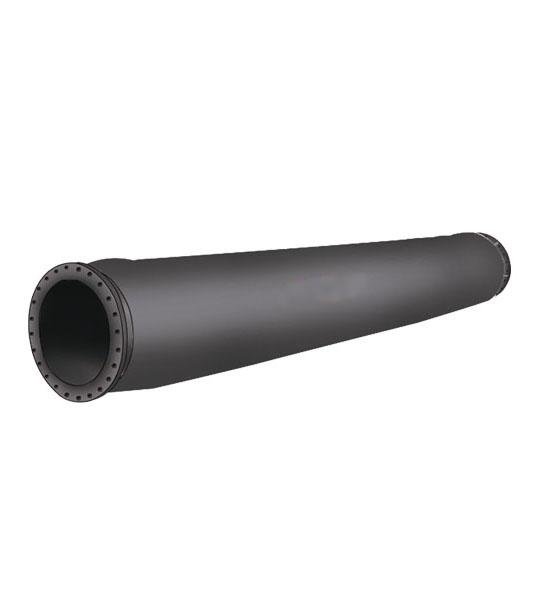
Ramp Rubber Pipes typically refer to rubber hoses used in the climbing sections of pumping or conveying equipment. These pipes have some common drawbacks in practical applications, which require particular attention in terms of lifespan, installation and maintenance, and safety performance. The following table summarizes their main disadvantages, causes, and potential risks:
Disadvantage Category
Specific Manifestations | Main Causes / Trigger Conditions | Potential Risks / Consequences |
Short lifespan and easy wear
Inner wall wear, outer layer cracking / blistering, bursting, hardening and brittleness after aging
Inferior material (e.g., excessively high reclaimed rubber content), mismatched working conditions (pressure / material properties not suitable), frequent bending and impact loads
Increased replacement costs, affected construction efficiency, oil or material leakage
High installation and maintenance requirements
Improper installation can lead to twisting, excessive stretching, or bending deformation; untimely maintenance results in residual hard deposits in the pipe cavity
Failure to maintain proper pipe relaxation as per specifications, bending radius smaller than product requirements, long-term friction with other components, lack of regular cleaning and maintenance
Reduced pipe structural strength, accelerated local wear, unexpected rupture or loosening of connections
Prominent safety risks under specific working conditions
Surface cracking in low-temperature environments, accelerated aging in high-temperature environments, pipe damage leading to system failure
Decreased material plasticity in cold environments, proximity to heat sources or excessively high conveying medium temperature, system reliance on it to maintain air pressure / hydraulic pressure |
Pipe embrittlement and rupture, degraded sealing performance, potential serious safety failures such as insufficient brake air pressure |
🛠️ Suggestions for Avoiding Disadvantages and Selection
To effectively reduce risks To address the above drawbacks, risks can be effectively reduced by standardizing usage procedures and scientifically selecting options:
• Standardize installation and daily maintenance: During installation, avoid twisting and excessive stretching, ensure the pipe body maintains a reasonable degree of relaxation, and the bending radius should not be less than 9-10 times the pipe’s outer diameter; regularly clean residual substances inside the pipe to prevent hard deposit buildup causing wear; before activation in cold environments, check if the pipe has cracks or brittleness due to low temperature.
• Key scenario selection key points: To reduce replacement frequency, for high-pressure and high-frequency impact conditions (e.g., concrete pumping), products with steel wire braided skeleton as the reinforcing layer should be selected, which have better anti-pulse fatigue performance; if used in critical systems such as compressed air (e.g., truck auxiliary braking systems), dedicated vehicle air hoses with pressure resistance and aging resistance must be used, and ordinary rubber hoses must be strictly prohibited to avoid system failure due to air leakage.
💎 Core Principles for Pipe Selection
In general, when selecting such rubber pipes, safety should always be the top priority, especially in scenarios involving braking, hydraulic, and other critical systems. Secondly, the pipe type should be selected based on specific working conditions parameters such as pressure level, conveying medium, working temperature, and bending frequency, and never ignore adaptability solely for the sake of low cost.
If you need to understand the pipe selection plan for specific working conditions (e.g., conveying highly abrasive materials, extreme temperature environments) in more detail, please provide detailed working condition information, and I will provide more targeted analysis and suggestions.