Difference Between Large-Diameter Suction and Discharge Mud Hoses and Ordinary Hoses and Selection Guide

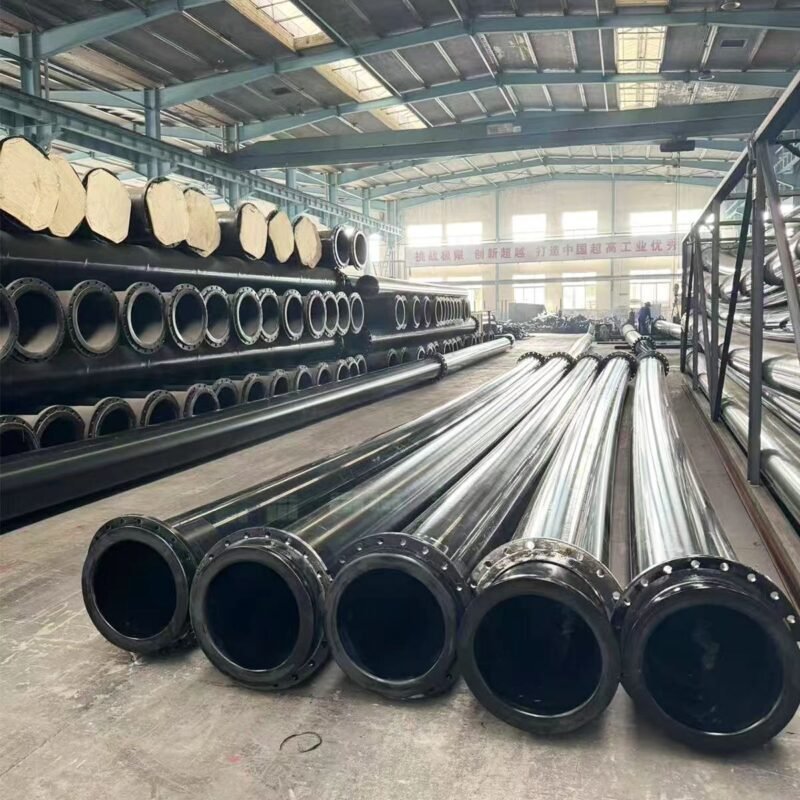
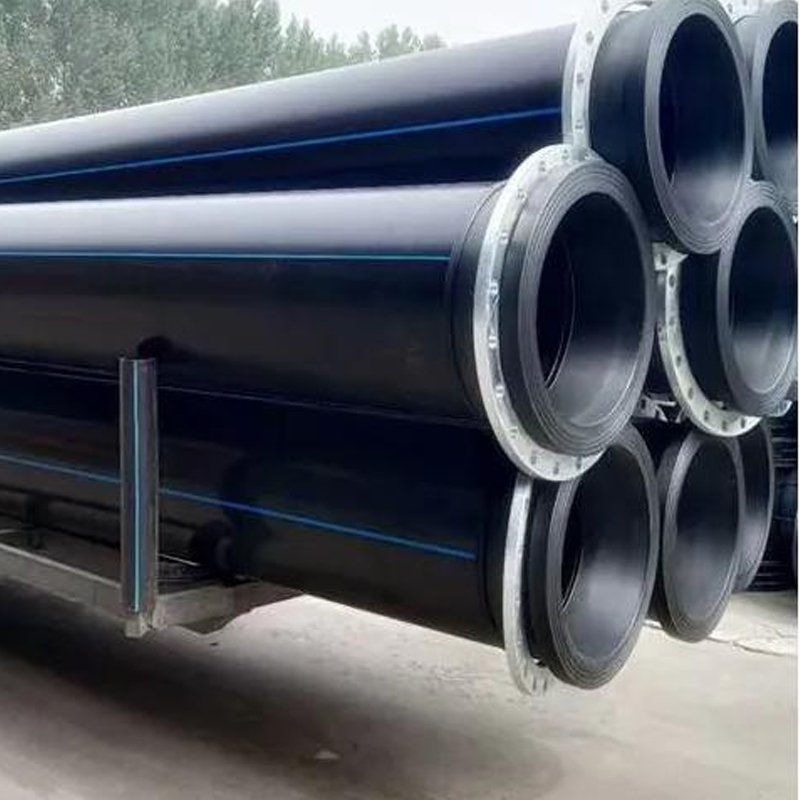
Large-diameter suction and discharge mud hoses are special-purpose hoses designed specifically for conveying highly abrasive, high-volume media. Their performance, structure, and applications differ significantly from those of ordinary hoses. The following table summarizes the main differences between the two, helping to quickly grasp the core distinctions:
Comparison Dimensions
Large-Diameter Suction and Discharge Mud Hose
Ordinary Hoses (e.g., Water Supply, General-Purpose Hoses)
Main Uses
Dredging and sludge removal, slurry conveyance, industrial strong discharge
Conveying water, air, general fluids
Working Condition Characteristics
High pressure/negative pressure (suction and discharge), highly abrasive slurry, large flow rate
Atmospheric or low pressure, mild medium, relatively small flow rate
Core Structure
Reinforced skeleton layer: Multi-layered fabric/braided layers + metal spiral steel wire (key)
Reinforced skeleton layer: Fabric layers, braided layers (no metal spiral wires)
Key Performance
Extremely high wear resistance, resistance to negative pressure suction deformation, high pressure-bearing strength
Flexible, lightweight, resistant to general use
Orifice Range
Large (usually inner diameter over 100mm, up to 900mm or larger)
Small to medium (commonly 10mm to under 100mm)
Connection Methods
Flange type (steel flange, split flange, etc.), expansion type, ensuring firm sealing
Threaded, simple socket, clamp connections, etc.
Product Standards
Dedicated standards (e.g., HG/T 2490-93)
General standards (e.g., GB/T 10544-2013)
🔍 How to Distinguish and Select
After understanding the basic differences, you can distinguish and select based on the following key points in specific scenarios:
– Check the structure: The most intuitive method is to look at the cross-section of the hose body or ask if there is a ‘metal spiral wire’. If present, it is a suction and discharge mud hose; ordinary hoses generally do not have this structure.
– Check the identifier and fittings: Suction and discharge mud hoses usually have thicker and heavier walls, with interfaces mostly being heavy metal flanges; ordinary hoses are lighter and more flexible, with simple fittings.
– Select by scenario:
– Situations where suction and discharge mud hoses must be used: Involving the conveyance of abrasive solid particles such as silt, slag, and mortar; operations requiring simultaneous or alternating suction (negative pressure) and discharge (positive pressure), such as river dredging.
– Situations where ordinary hoses can be used: Conveying fluids without solid particles such as clean water, air, and oil; for low-pressure irrigation, equipment ventilation, and general liquid transmission.
💡 Usage and Purchase Suggestions
– Strictly prohibit mixing: Never use ordinary hoses to replace suction and discharge mud hoses for suction or conveying abrasive media, as this very easy cause the hose to wear through, collapse, or even burst, posing significant safety hazards.
– Pay attention to the wear-resistant layer: When purchasing suction and discharge mud hoses, in addition to orifice size and pressure, pay special attention to the wear-resistant material of the lining (such as ceramic, UHMW-PE (ultra-high molecular weight polyethylene), etc.), which directly determines the service life.
– Match the pressure: Select the hose grade according to the maximum working pressure and vacuum (negative pressure) of the water pump or slurry pump, and reserve a safety margin.
In summary, large-diameter suction and discharge mud hoses are heavy-duty tools for response harsh conditions, while ordinary hoses are general-purpose components for meeting basic fluid conveyance needs.
If you can inform me of your specific intended use scenario (e.g., pumping river water, discharging factory wastewater, etc.), more targeted suggestions can be provided.