Detailed Precautions for Construction of Dredging Rubber Hose Systems
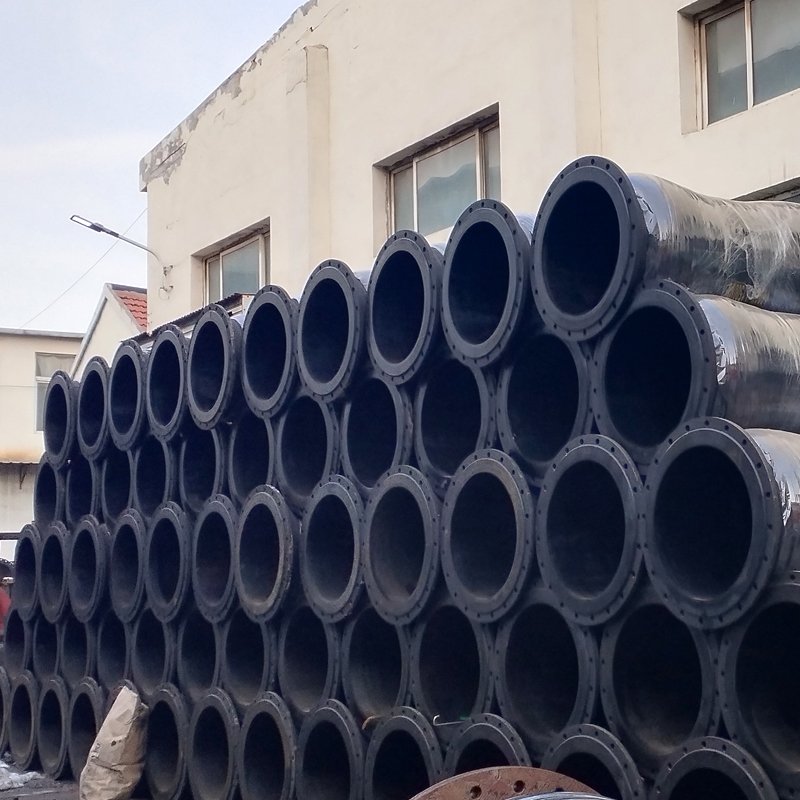
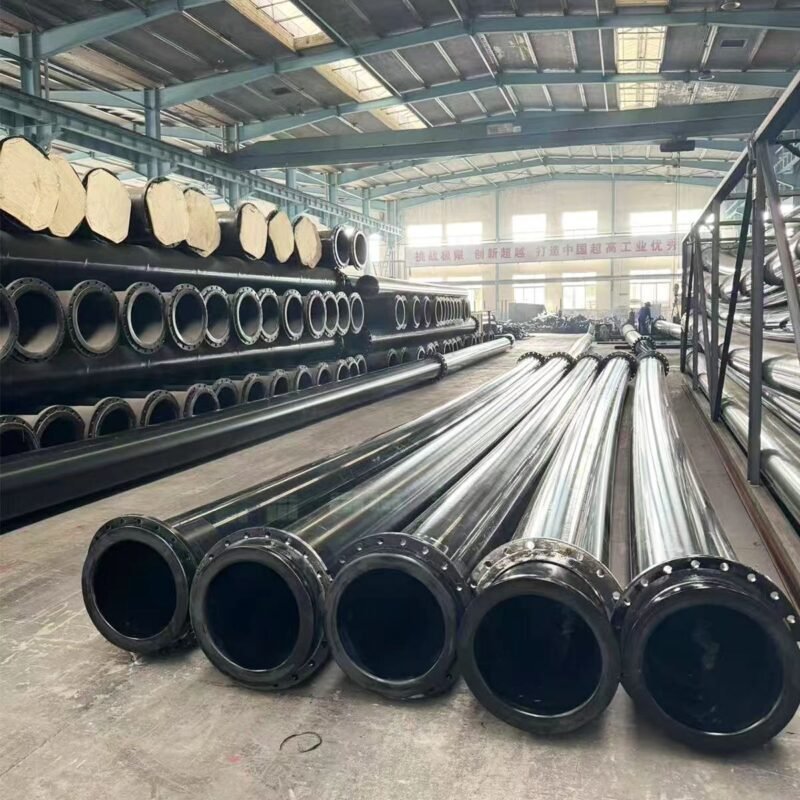
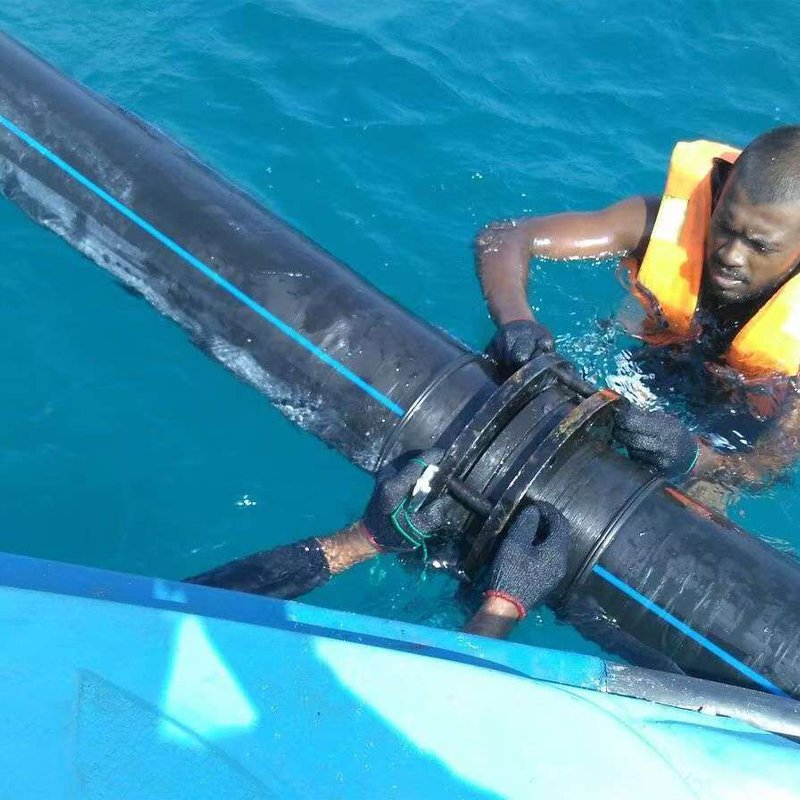
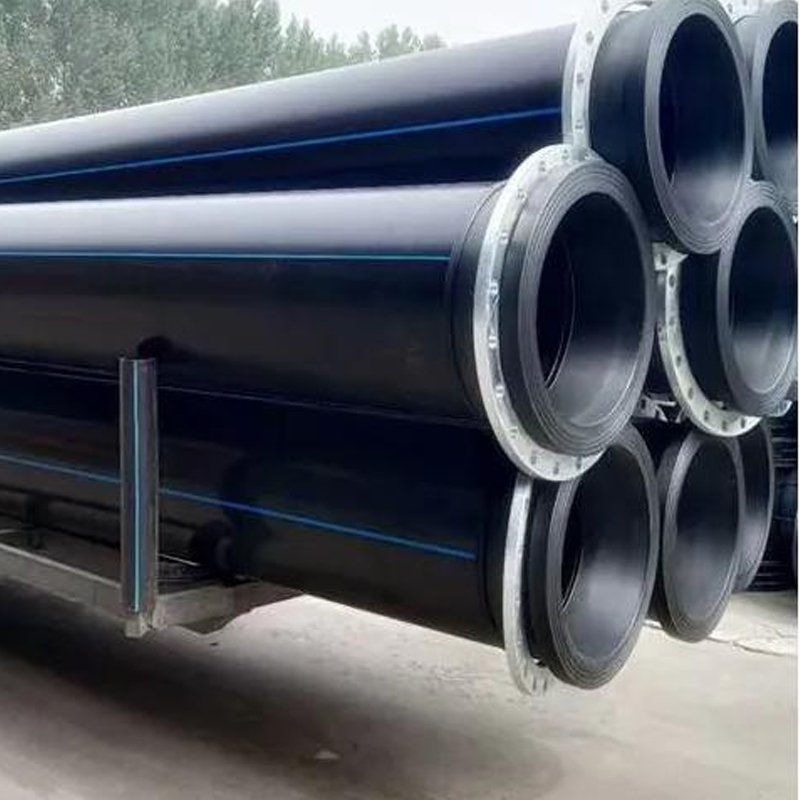
Rubber slurry discharge pipes (also known as rubber floating pipes or slurry hoses) used in dredging projects are critical components for transporting slurry. The construction precautions directly relate to engineering efficiency, cost, and safety. The following are detailed construction precautions covering transportation, installation, use, maintenance, and storage at all stages.
I. Pre-installation Inspection and Preparation
1. Pipe Body Inspection:
– Visual Inspection: Carefully check the inner and outer surfaces of the rubber pipe to ensure there are no scratches, cracks, blisters, delamination, excessive wear, or abnormal bulges. The flange or joint areas should be intact.
– Specification Verification: Confirm that the diameter, length, and working pressure rating of the rubber pipe meet the design requirements.
– Flanges and Gaskets: Check that the flange sealing surfaces are flat, with no rust or deformation. Ensure the gasket material is suitable (usually oil-resistant and corrosion-resistant rubber), the size matches, and there is no aging or damage.
2. Site Preparation:
– Clear Pathways: Remove sharp objects and debris from the installation path to prevent scraping or puncturing the pipe body.
– Supports and Floats: If using floating pipes, check the integrity, quantity, and connection reliability of the floats (float tubes) to ensure they provide sufficient buoyancy. Verify that the anchoring system is secure.
II. Precautions During Installation
1. Lifting and Handling:
– No Rough Handling: Flexible lifting straps must be used; steel ropes should not be used to directly contact the pipe body to avoid cutting the rubber. Lifting points should be reasonable to prevent excessive bending or damage to the flange due to single-point lifting.
– Avoid Dragging: The pipe should not be dragged on rough ground, especially at the flange joint area, to prevent wear and impact.
2. Connection and Tightening:
– Alignment and Calibration: When connecting flanges, ensure the two flanges are parallel and properly aligned; forced alignment is prohibited. Misalignment and skewing will cause localized stress concentration and seal failure.
– Bolt Tightening: Use a torque wrench to tighten the bolts gradually and evenly in a diagonal alternating sequence. Avoid one-sided tightening, which can cause uneven gasket stress and leakage. The bolt pre-tension force must meet specification requirements.
– Gasket Installation: The gasket should be placed correctly, ensuring it is centered on the flange sealing surface.
3. Pipe Laying and Routing:
– Bending Radius: During laying, the bending radius of the rubber pipe must not be less than the minimum allowable bending radius (usually 8-10 times the pipe diameter or more). Sharp bends will severely wear the pipe wall, shorten its lifespan, and increase flow resistance.
– Avoid Kinking: Pay attention to the natural state of the pipe body to prevent twisting in horizontal or vertical directions.
– Waterborne Floating Pipes: The floating pipe route should be smooth and unobstructed, avoiding sharp ‘S’ bends. Anchoring points should be set reasonably according to water flow and wind direction to prevent floating pipes from colliding with each other or rubbing against vessels and shore walls.
III. Monitoring and Maintenance During Operation
1. Pressure Monitoring:
• Strictly Prohibit Overpressure: During operation, the system pressure must never exceed the rated working pressure of the rubber hose. Sudden pressure surges (water hammer effect) are highly damaging; pump start-up and shutdown operations should be performed smoothly.
• Pressure Gauges: Ensure that pressure gauges on the pumping station and key pipeline sections are functioning properly for real-time monitoring.
2. Condition Inspection:
• Vibration and Swinging: Observe if there is abnormal vibration or swinging of the rubber hose during operation, which may be caused by uneven flow, pump cavitation, or insecure anchoring; adjustments should be made promptly.
• Leakage Check: Regularly inspect all flange connections and pipe bodies for slurry leakage.
• Wear Check: Focus on checking wear at areas where the hose contacts water surface, bank slopes, or other pipe sections; install protective sleeves or adjust positions as necessary.
• Float Condition: Ensure the float always provides sufficient buoyancy, with no submersion or tilting. Timely clean debris attached to the float and pipe body.
3. Medium Characteristics:
• Pay attention to the abrasiveness of the conveyed slurry. If the sand and stone content is high and the particles are sharp, it will significantly accelerate internal wall wear, requiring shortened inspection cycles.
• Avoid conveying media that are chemically corrosive to rubber.
IV. Response Measures for Special Situations
1. Adverse Weather:
• Before typhoons, heavy waves, etc., strengthen anchoring; if necessary, drag the floating pipe to a sheltered area or temporarily submerge it underwater.
• During winter construction, be mindful of the cutting and impact risks posed by ice floes to the floating pipe and pipe body.
2. Vessel Traffic:
• In navigable waters, set up prominent warning signs (such as signal flags, lights). Arrange patrol boats if necessary to prevent collisions or dragging of the sludge discharge pipe by passing vessels.
3. Emergency Shutdown:
• Once severe conditions such as pipe bulging, tearing, or broken flange bolts are discovered, immediately shut down for handling; operation with malfunctions is strictly prohibited.
V. Shutdown and Storage
1. Cleaning: After shutdown, thoroughly flush the interior of the pipeline with clean water to remove residual sediment, preventing deposition, clumping, and internal corrosion.
2. Disassembly: Disassemble in the reverse order of installation, handling with care. After disassembly, inspect the overall condition of the pipe body to provide basis for subsequent use and maintenance.
3. Storage:
• Indoor Storage: Store in a cool, dry, and well-ventilated indoor area, avoiding direct sunlight and rain.
• Away from Heat Sources and Ozone: Keep away from heat sources such as radiators and motors, and from electrical equipment that produces ozone (e.g., high-voltage motors, welding equipment).
• Flat Storage and Support: Rubber hoses should be stored flat, not stacked too high. If suspended, use wide-width lifting straps with reasonable spacing between support points to avoid deformation caused by long-term self-weight; heavy objects must not be hung on flanges.
• Regular Turning: During long-term storage, regularly turn the hoses and change support points to prevent permanent deformation.
Summary: Core Safety Principles
• Prevent Overpressure: Pressure is the primary hazard.
• Prevent Wear: Physical wear is the main cause of shortened lifespan.
• Prevent Kinking: Maintain smooth and unobstructed pipelines.
• Prevent Corrosion/Aging: Pay attention to environmental and medium impacts.
• Standardized Operations: Every step from installation, use to disassembly requires caution.
Following the above precautions can maximize the service life of dredging rubber sludge discharge pipes, ensure the smooth progress of dredging projects, and effectively reduce safety risks and maintenance costs.