Detailed Explanation of the Structure Composition of Slope Climb Hoses
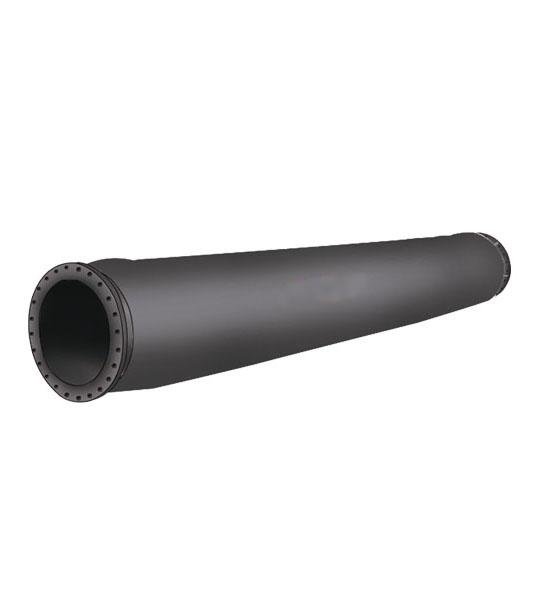
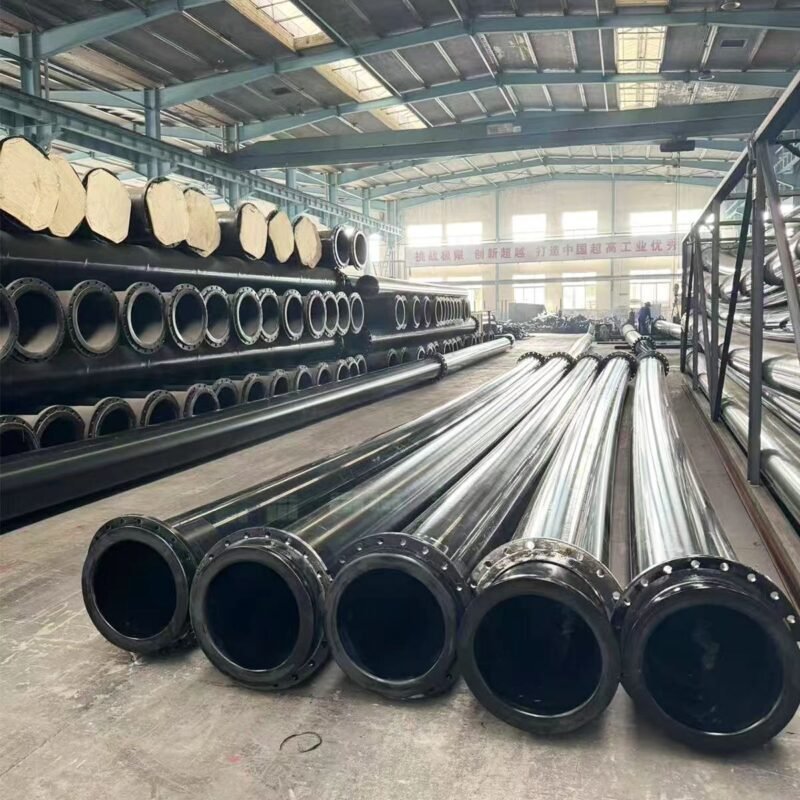
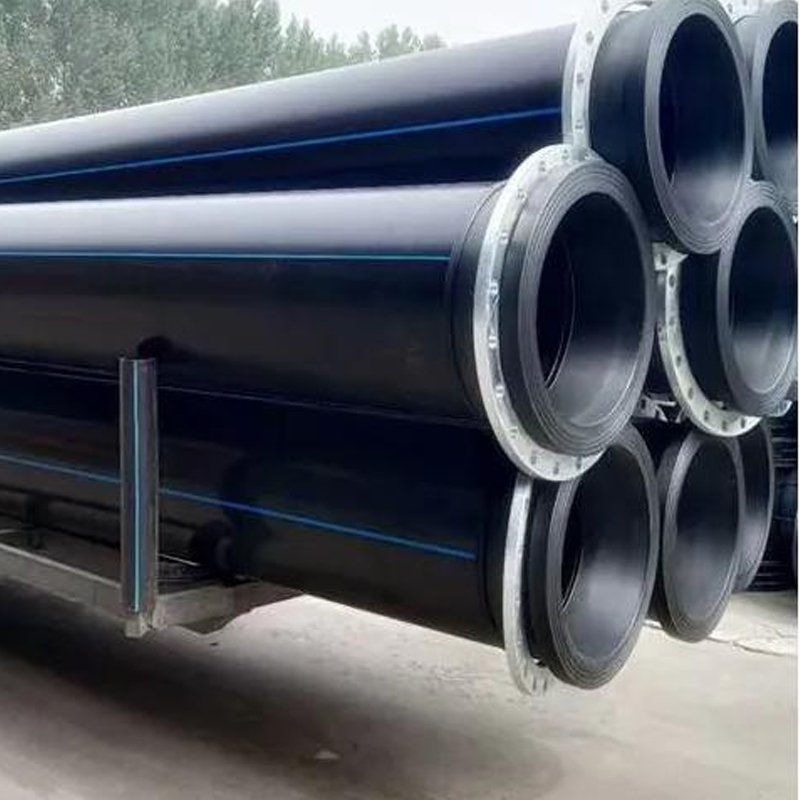
Slope conveyor hoses, also known as inclined conveyor anti-slip hoses, skirted edge hoses, or rubber slope flow guides, are a type of special industrial hose. They are primarily used at the inlet, outlet, or inclined conveying sections of equipment such as bucket elevators, belt conveyors, and scraper conveyors. Their core function is to prevent materials (especially granular and powdered materials) from spilling, splashing, or backflowing during uphill or downhill conveying, ensuring that all materials smoothly enter the designated channel. This guarantees conveying efficiency, reduces waste and pollution.
Their structure is not a simple solid rubber hose but a carefully designed composite based on functional requirements. A typical slope conveyor hose, from inside to outside and from main body to accessories, generally includes the following major parts:
One. Main Structure (Core Part)
1. Wear-resistant inner rubber layer:
– Location and function: Located on the inner wall of the hose, directly in contact with the conveyed material. This is the most critical wear-resistant part of the hose, needing to withstand continuous scouring, friction, and impact from the material.
– Material characteristics: Usually made with high-wear-resistant, high-strength rubber formulations, such as natural rubber, styrene-butadiene rubber, or composite rubbers blended with wear-resistant materials (e.g., carbon black), to maximize service life.
2. Reinforcing carcass layer:
– Location and function: Positioned between the inner and outer rubber layers, serving as the ‘skeleton’ of the hose. It is responsible for withstanding internal material pressure, external compression, and tensile stress during installation, ensuring the overall strength and shape stability of the hose.
– Material form: Typically consists of high-strength fiber fabrics (e.g., polyester canvas, nylon canvas) or steel cord plies, which are wrapped or wound after being coated with rubber. The number of layers depends on the hose’s size and working pressure.
3. Anti-aging outer rubber layer:
– Location and function: Wrapped on the outermost layer, protecting the internal carcass layer from environmental damage.
– Material characteristics: Usually made with rubber that has good weather resistance, ozone resistance, and anti-ultraviolet aging properties (e.g., chloroprene rubber, ethylene propylene rubber), to withstand harsh conditions such as outdoor sun exposure, rain, and temperature fluctuations.
Two. Functional Structure (Feature part distinguishing from ordinary hoses)
This is the ‘soul’ of the slope conveyor hose, directly realizing its anti-spill function.
4. Flow guide skirts/edges:
– Location and function: This is the most distinctive feature of slope conveyor hoses. Along the length of the hose, one or both sides are designed with continuous protruding skirts or ribs.
– Function: When the hose is installed tightly against the conveyor belt, these skirts can closely adhere to the surface of the conveyor belt, forming a closed or semi-closed trough-shaped channel, effectively preventing material from spilling out from the sides.
5. Overflow prevention skirts/seal strips:
– Location and function: Usually located at the end of the flow guide skirts, it is a softer, more elastic rubber strip.
– Function: It maintains gentle and continuous contact with the surface of the running conveyor belt, achieving dynamic sealing. This further prevents fine powdery materials from overflowing through gaps, while also avoiding excessive wear on the conveyor belt.
III. Installation and Connection Structure
6. Flange or Connection Part:
◦ Location and Function: At both ends of the rubber hose or positions requiring fixation, there are reinforced flat areas or metal/nylon flanges designed.
◦ Function: Facilitates the secure installation of the rubber hose onto equipment frames or chutes using bolts, clamps, and other fasteners, ensuring its position is fixed and preventing movement or deformation.
7. Metal Reinforcement Ring:
◦ Location and Function: For large-diameter hoses or those requiring special support, metal rings may be embedded internally or at the ends.
◦ Function: Maintains the shape of the hose end, prevents collapse, and enhances the strength of the connection area.
Structural Summary and Diagrammatic Association
You can imagine it as a ‘tough rubber tunnel with walls’:
• Tunnel Road Surface (Inner Layer): Super wear-resistant, enduring the ‘traffic flow’ of materials.
• Tunnel Reinforcing Bars (Skeleton Layer): Provides support to prevent the tunnel from collapsing under pressure.
• Tunnel Exterior Wall (Outer Layer): Wind and sun-resistant, withstanding natural environmental conditions.
• Soundproof Panels on Both Sides of the Tunnel (Deflector Skirts): Core functional components, preventing the ‘traffic flow’ (materials) from spilling off the road surface.
• Sealing Strips at the Bottom of the Panels (Overflow-Proof Skirts): Ensure the panels fit seamlessly with the ground, not even allowing dust to leak out.
• Fixed Base of the Tunnel (Flange/Connection Part): Securely anchors the entire tunnel to the mountain (equipment).
Material Selection and Performance Considerations
Depending on the usage environment, the materials of the inclined rubber hose are adjusted accordingly:
• Abrasion Resistance: For materials with strong abrasiveness such as ore and sand.
• Oil Resistance: For applications where contact with oil may occur.
• Heat Resistance: For conveying high-temperature materials such as sintered ore and hot cement.
• Corrosion Resistance: For chemical and fertilizer environments with corrosive properties.
• Food Grade: For use in grain and food processing industries, requiring compliance with relevant hygiene standards.
In summary, the inclined rubber hose is a complex and functionally clear heavy industrial component. Its multi-layer composite design and unique deflection structure collectively ensure the efficient, clean, and reliable operation of the material conveying system.