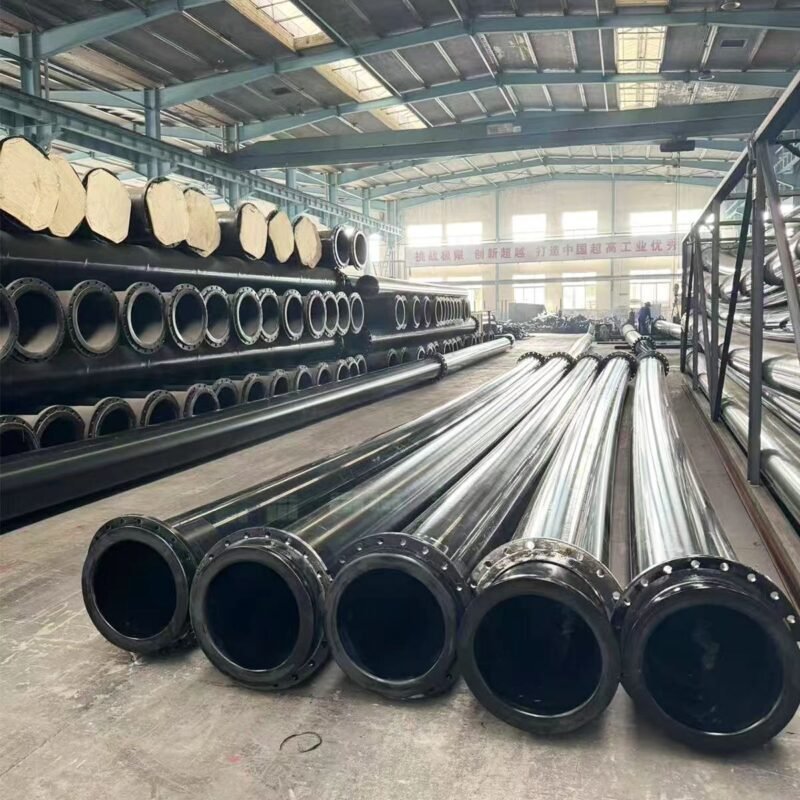
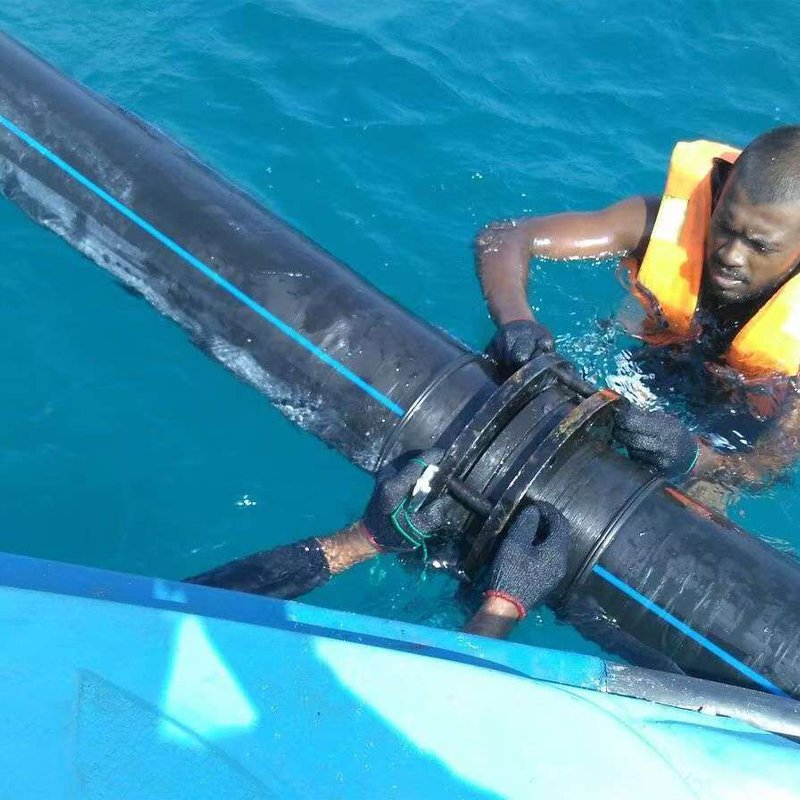
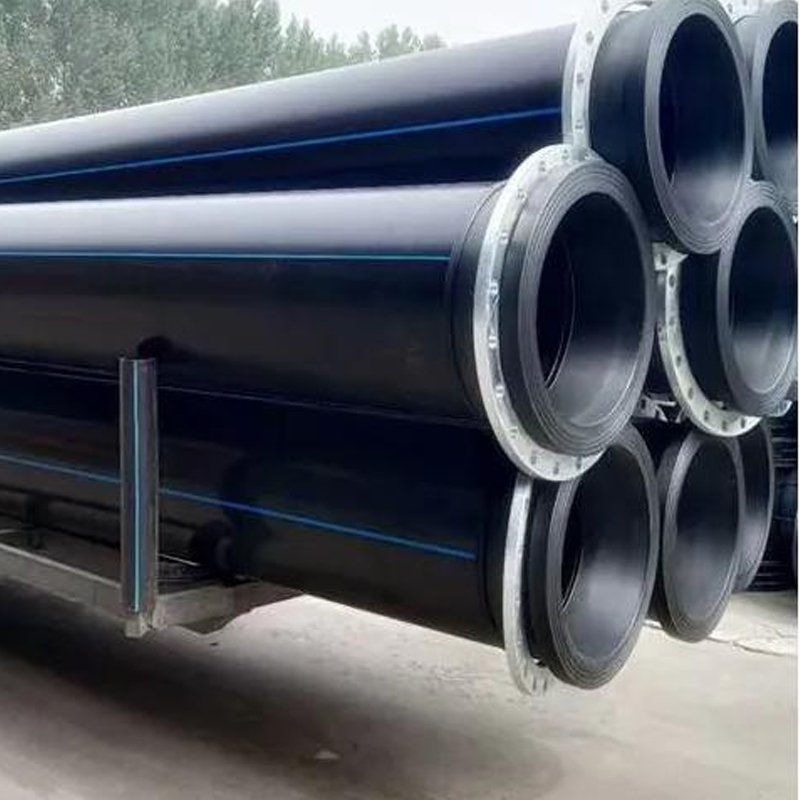
Detailed Explanation of Application Scenarios for End Rubber Tubes
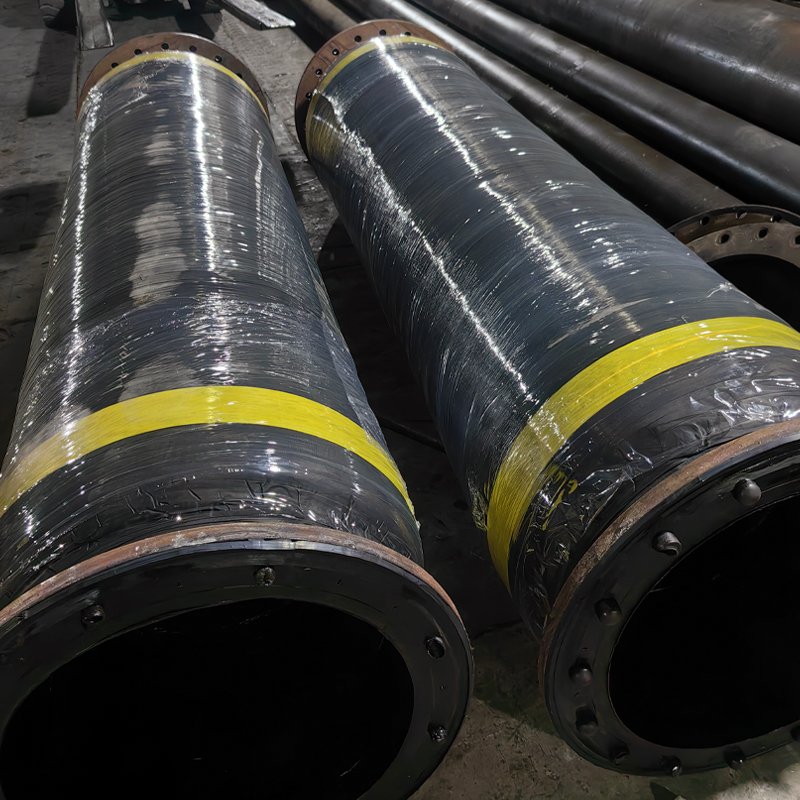
First, it is necessary to clarify the concept of ‘end rubber hose’. It is typically not an independent product name but refers to a rubber hose that serves as a terminal or connecting component of a system. Its core function is at the end of a device, pipeline, or system, where it acts to connect, seal, buffer, protect, or divert flow. Based on its functions and characteristics, end rubber hoses have a wide range of application scenarios, primarily concentrated in the following areas:
One, Industrial Field (the most widely applied)
1. Machinery and Equipment – Vibration Isolation and Noise Reduction
◦ Application Scenarios: Installed on inlet and outlet pipes of vibrating equipment such as air compressors, engines, water pumps, and air conditioning units.
◦ Function: Utilizing the elasticity of rubber, it effectively absorbs vibration and noise generated during equipment operation, preventing vibration from being transmitted throughout the entire pipeline system, thereby protecting the equipment and building structure. This is commonly referred to as a ‘rubber vibration isolator’ or ‘shock absorber’.
2. Pipeline Systems – Compensation and Connection
◦ Application Scenarios: Used in pipeline systems of chemical engineering, water supply, heating, ventilation, and air conditioning (HVAC) to connect pipelines with valves, pumps, or other equipment.
◦ Function:
■ Compensate for Displacement: Compensate for slight displacement caused by thermal expansion and contraction, foundation settlement, or installation errors of pipelines.
■ Facilitate Installation: The flexibility of the rubber hose makes pipeline对接 more convenient, allowing for certain angular and positional deviations.
■ Seal: Ensure the sealability at the connection point to prevent leakage of the medium.
3. Material Handling – Abrasion Resistance and Flow Diversion
◦ Application Scenarios: Installed at the outlet of pneumatic conveying systems, or equipment for handling granular or powder materials.
◦ Function:
■ Flow Diversion and Direction Change: As an extension of the outlet, it guides the material to a designated container or conveyor belt and allows flexible direction adjustment.
■ Abrasion Resistance: Usually made of abrasion-resistant rubber to withstand continuous scouring by materials, extending service life.
■ Reduce Dust Emission: The soft connection forms a seal, reducing dust leakage.
Two, Automotive and Transportation Field
1. Engine System
◦ Application Scenarios: Serves as the terminal connecting hose for engine intake, coolant, engine oil, and other piping systems.
◦ Function: Connect various components, withstand certain temperatures and pressures, and absorb engine vibration.
2. Exhaust System
◦ Application Scenarios: Installed at the end of exhaust pipes, or as the connecting section between exhaust pipes and mufflers.
◦ Function: Withstand high temperatures and absorb thermal displacement and vibration of the exhaust system.
3. Brake and Pneumatic Systems
◦ Application Scenarios: Used in air brake systems of trucks and buses to connect air reservoirs, brake calipers, etc.
◦ Function: Transport compressed air, requiring good airtightness and pressure resistance.
Three, Construction Engineering and Municipal Field
1. Drainage Systems
◦ Application Scenarios: Connect vertical and horizontal drainage pipes in buildings, or serve as the outlet of air conditioning condensate pipes.
◦ Function: Buffer water flow, reduce noise, and allow certain displacement to prevent pipeline rupture caused by building settlement or sway.
2. Fire Protection Systems
◦ Application Scenarios: Installed at the outlet of fire hydrants or the end of fire hoses.
◦ Function: Facilitate quick connection to fire nozzles or other equipment; the rubber material can withstand high water pressure and instantaneous impact.
IV. Household and Daily Use Fields
1. Home Appliances
• Application Scenarios: End connectors for inlet and outlet hoses of washing machines, and drain hoses of dishwashers.
• Function: Seal the connection between faucets and drains to prevent leaks. Typically designed with specific clips or threaded structures.
2. Gardening and Cleaning
• Application Scenarios: End connections for linking water pipes with faucets, spray guns, or sprinklers.
• Function: Provide flexible connections for convenient use. Usually equipped with quick-connect fittings.
V. Special and High-Tech Fields
1. Shipbuilding and Marine Engineering
• Application Scenarios: Used in ship ballast water systems, seawater cooling systems, etc., to connect pipelines with ship structures or outside the hull.
• Function: Compensate for ship body deformation and vibration, and possess seawater corrosion resistance.
2. Semiconductor and Biomedical Industries
• Application Scenarios: Serve as end connections in ultra-pure water and high-purity chemical delivery systems.
• Function: Utilize special rubber or high-molecular materials such as Teflon (PTFE) or silicone to ensure extremely high cleanliness and chemical inertness, preventing contamination of the medium.
Summary
Although end rubber hoses may appear as small components, their applications are almost ubiquitous in all industrial and civilian fields involving fluid transmission, vibration control, and flexible connections. Their core value lies in:
• Flexibility: Adapt to displacement and vibration.
• Sealing: Prevent medium leakage.
• Durability: Resist wear, corrosion, and weathering.
• Insulation: Electrical insulation and sound insulation.
• Ease of Use: Convenient installation and disassembly.
When selecting end rubber hoses, key parameters such as material (e.g., natural rubber, nitrile rubber, EPDM, silicone), pressure rating, temperature range, medium compatibility, and connection method should be considered based on specific application scenarios.