Daily Maintenance Guide for Slope Rubber Hoses
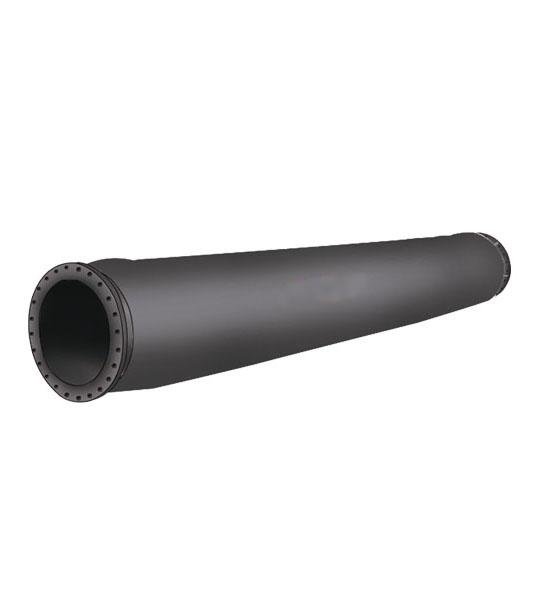
The following table summarizes a practical daily maintenance inspection process for reference.
Maintenance Category\Inspection/Operation Key points\Specific Methods and Standards\Abnormal Consequences and Risks
Daily/After Each Use
Internal and External Cleaning\Immediately rinse the tube cavity with clean water or a dedicated cleaning ball after operation to ensure no residue remains.\tHardened residue will exacerbate inner wall wear, leading to blockages or localized damage to the tube wall.
Check Appearance\tInspect the outer surface for cuts, cracks, bulges, abnormal deformation, or hardening. Check if connections are secure and for any leaks.\tSurface damage will rapidly expand; loose connections can cause medium leakage, leading to safety accidents.
Regular Checks (e.g., Weekly or Every 50 Hours)
Check Inner Wall Wear\tIf possible, inspect the inner wall for grooves, delamination, or severe wear.\tThinning of the inner wall due to wear directly reduces pressure resistance, making it very easy burst under pressure.
Check Installation Status\tConfirm that the hose’s bending radius is not too small, there is no twisting or folding, and avoid friction with sharp components.\tAn excessively small bending radius will significantly shorten the lifespan; twisting and friction accelerate damage to the outer rubber layer.
Usage Specifications\tStrictly Prohibit Overloading\tEnsure working pressure, temperature, and medium match the hose specifications, and avoid sudden pressure shocks.\tPressure peaks exceeding allowable values are a common cause of early hose damage.
Avoid Dry Running and Dry Grinding\tFor squeeze tubes, etc., strictly prohibit long-term dry running without medium to prevent localized overheating and charring.\tDry running causes localized overheating of rubber, accelerated aging, and even charring and cracking.
Storage Requirements (if applicable)
Storage Environment\Store in a cool, dry, well-ventilated area, avoiding direct sunlight or proximity to heat sources. Ideal temperature is 10-25°C.\Ultraviolet rays and high temperatures accelerate rubber aging, hardening, and cracking.
Storage Method\tCoiled hoses should be placed horizontally, avoiding stacking too high or hanging, to prevent permanent deformation.
💡 How to Perform Effective Maintenance
In addition to following the above procedures, the following points can help you execute maintenance more effectively:
• Establish inspection records: Create a simple maintenance log for rubber hoses on critical equipment, recording the date of each inspection, any issues found, and replacement times. This helps track their service life and predict replacement times.
• Understand ‘preventive replacement’: Rubber hoses are consumables that naturally age over time. Once surface dense micro-cracks, localized hardening, bulges, or multiple leaks (even if not ruptured) are discovered, immediate replacement is recommended. This is safer and results in less economic loss than waiting for a burst hose.
• Ensure spare parts compliance: When replacing, make sure the new hose’s pressure rating, diameter, material (such as oil-resistant, acid and alkali-resistant), and length fully meet the original equipment requirements. Never use mismatched or unverified hoses.
📚 Important National Standard Reference
Regarding rubber hose maintenance, there is a dedicated recommended national standard: ‘GB/T 9576-2019 Guide for Selection, Storage, Use and Maintenance of Rubber and Plastic Hoses and Hose Assemblies’. This standard is equivalent to an international standard and provides very comprehensive and authoritative guidance.
If your equipment is high-value or operates in complex conditions, it is recommended to consult this standard for the most professional basis. Specifically, what equipment or scenario is the rubber hose you need to maintain used in?If you provide more specific usage (e.g., concrete conveying, dust removal, water supply), I can offer more targeted advice.