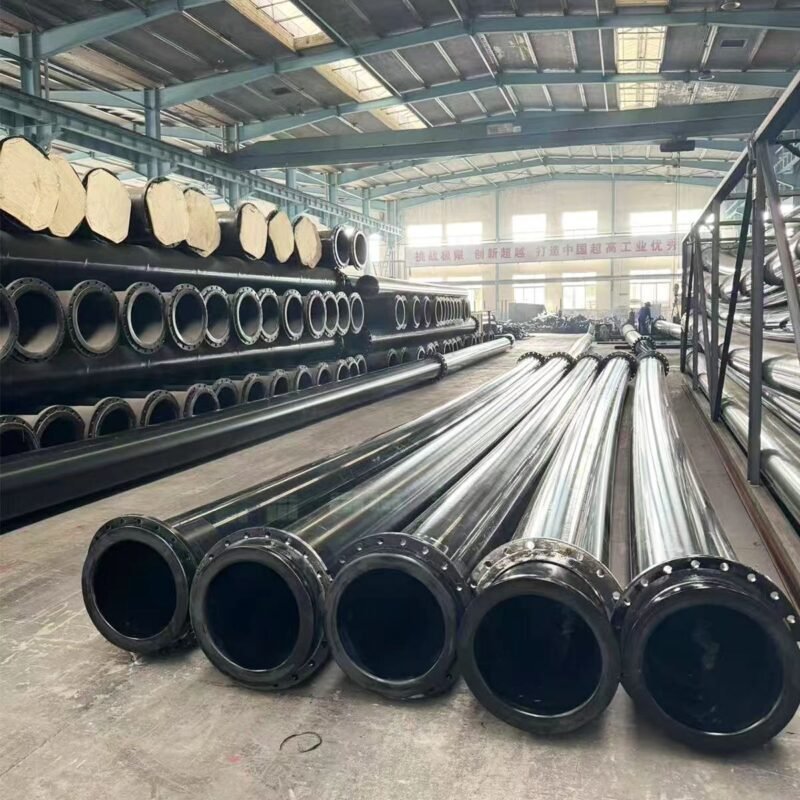
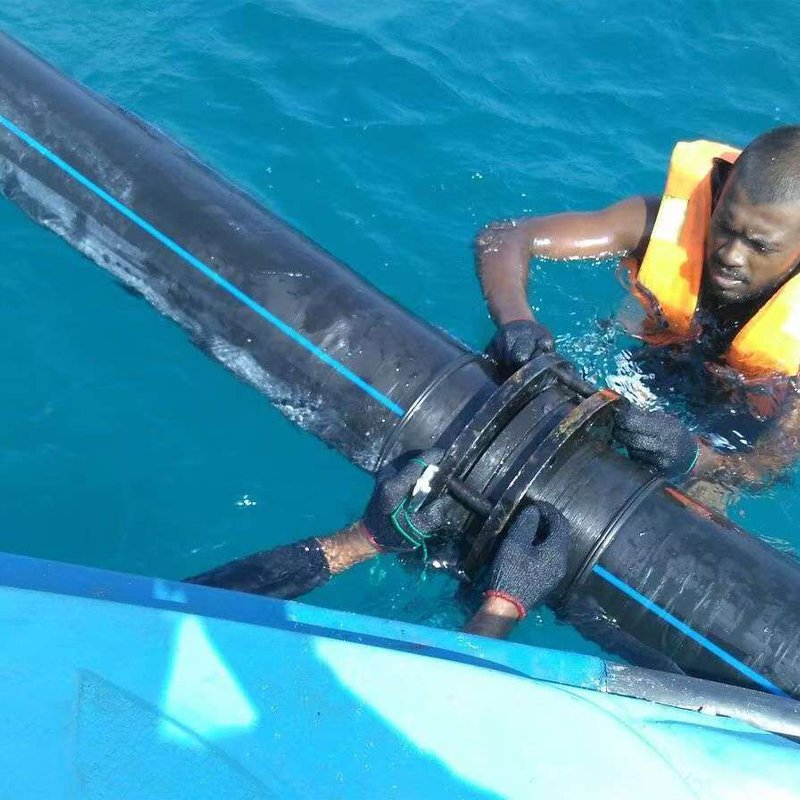
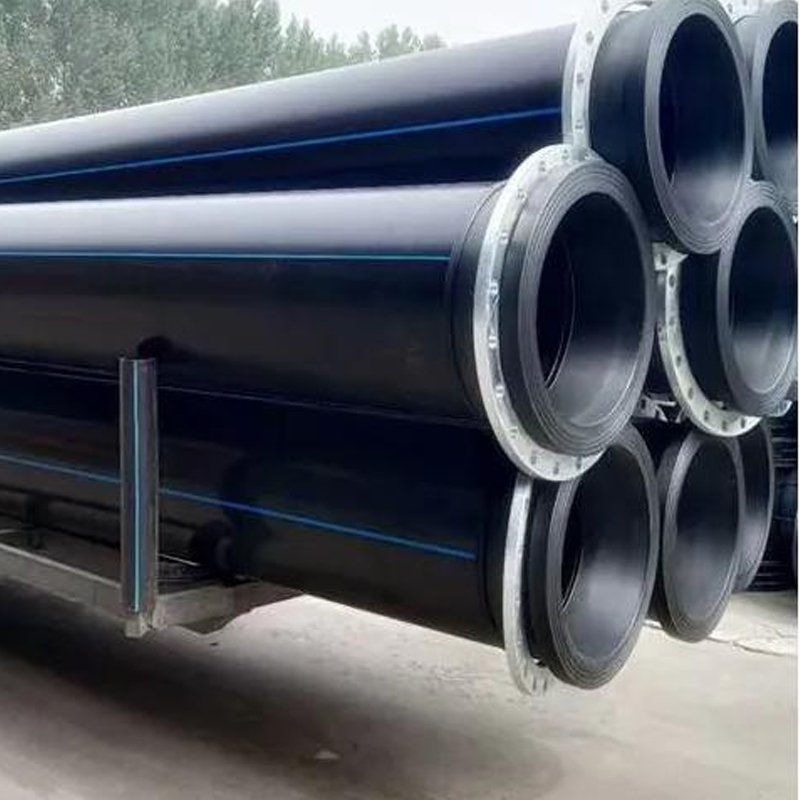
Core Points and Safety Regulations of Construction for Inner Armor Dredging Rubber Hoses
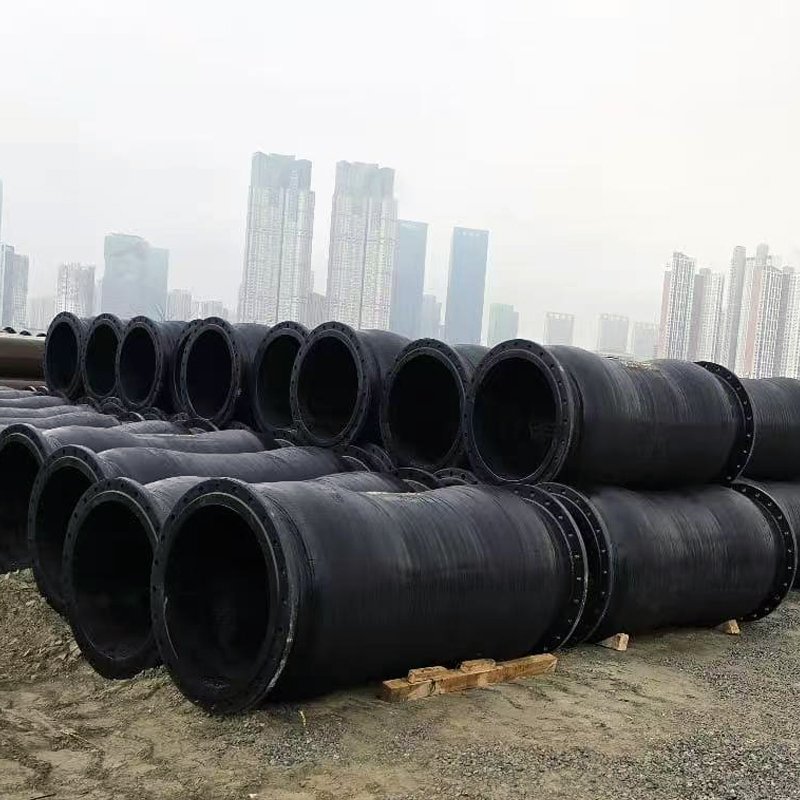
Regarding construction precautions for internal armor dredging rubber hoses, after reviewing relevant national and industry standards, there is currently no dedicated construction guide. Therefore, general requirements and clauses from existing standards can be converted into specific construction specifications to ensure construction safety and quality.
The following are the core points of construction, compiled based on the national standard \”Rubber Hoses and Hose Assemblies with Internal Armor for Slurry Transport\” (GB/T 33382-2016) and the chemical industry standard \”Rubber Hoses and Hose Assemblies – For Dredging\” (HG/T 2490-2023).
### I. Pre-construction Preparation and Inspection
Preparations before starting work are crucial, directly affecting the smooth progress of construction and the service life of the hose.
– **Verify Hose Specifications and Suitability**: It is essential to confirm that the product model, nominal inner diameter, maximum working pressure, and applicable temperature range of the hose meet the design requirements. Select the corresponding type of hose (e.g., Type I for floating material transport, Type II for transport/ suction) based on the characteristics of the medium being transported (such as density, abrasiveness, etc.).
– **Confirm Hose Fittings and Fasteners**: Carefully check that the models of the hose fittings (flanges, clamps, etc.) at both ends of the hose match the connected equipment. Ensure all bolts, nuts, and other fasteners are complete, undamaged, and of the correct specification. The standards have clear requirements for connecting components; mismatched or substandard fittings are major risk points for leaks and disconnections.
– **Hose Body Appearance and Condition Inspection**: Before laying, conduct a visual inspection of the entire hose, paying close attention to whether there are cuts, cracks, abnormal bulges, or severe wear on the inner and outer rubber layers. Check if the armor layer (steel wire or fabric reinforcement layer) is exposed or corroded. If defects that affect structural integrity are found, the hose must be repaired and confirmed to not affect usage before being put into construction.
– **Site and Environment Confirmation**: Clear away sharp stones, metal waste, and other miscellaneous items that may puncture or severely wear the hose from the laying path. Confirm that the bending radius of the pipe laying does not exceed the minimum specified bending radius of the hose to avoid structural damage to the hose due to sharp bends.
### II. Key Points for Laying, Connection, and Operation
During construction operations, strict compliance with norm requirements is necessary to ensure construction safety and operational efficiency.
#### (A) Laying and Handling
– **Lifting and Moving**: Use wide enough lifting straps for moving and lifting. Never use steel ropes to directly contact or tightly grip the hose body during lifting to prevent cuts to the outer rubber layer and reinforcement layer.
– **Avoid Dragging**: When moving the hose on land or decks, lift it for moving to avoid long-distance dragging directly on rough surfaces such as concrete and gravel.
#### (B) Connection and Sealing
– **Alignment and Tightening**: When connecting, ensure precise alignment between the hose and the equipment’s flange or interface. Evenly and symmetrically tighten all bolts to prevent leaks or localized damage caused by uneven force.
– **Seal Check**: After connection, first perform a low-pressure water test to check the seal of the connection. Confirm no leakage before gradually increasing the pressure to the working pressure.
III) Operation and Pressure Control
– Smooth Start and Stop: When starting the pumping equipment, gradually increase the flow rate and pressure to avoid sudden pressure changes (water hammer effect) that could impact the hose; when stopping operation, also gradually reduce speed to minimize impact on the hose.
– Strictly Prohibit Overpressure: During operation, ensure the system working pressure is always below the maximum working pressure marked on the hose, and eliminate overpressure use.
– Monitoring and Adjustment: During operation, closely observe the hose’s shape to avoid excessive bending or twisting; for floating hoses, ensure their buoyancy is balanced, preventing excessive tension or localized submersion.
III. Post-Construction Maintenance and Storage
Proper maintenance and storage can significantly extend the hose’s service life, and the following requirements must be strictly implemented.
– Cleaning and Inspection: After each use, flush the interior of the hose with clean water to remove residual silt, mud, preventing internal scaling and corrosion; simultaneously complete external cleaning and inspection, and record damage conditions in detail to provide a basis for subsequent maintenance.
– Regular Pressure Testing: Based on usage frequency and operating conditions, regularly perform hydrostatic tests on the hose to check for leaks, bulges, or abnormal deformation under test pressure. Specific test cycles can refer to relevant standard requirements or be determined through consultation with the hose manufacturer.
– Proper Storage: For long-term storage, the hose should be placed flat in a cool, dry, and well-ventilated indoor environment, avoiding direct sunlight, rain, and contact with oils, acids, alkalis, and other corrosive chemicals; if stored in coils, the coil diameter should not be less than the hose’s minimum bending radius, and multi-layer stacking and heavy pressure should be avoided to prevent structural damage to the hose.
IV. Safety Red Lines and Prohibited Items
– Strictly prohibit standing, walking, or placing heavy objects on the hose;
– Strictly prohibit tightening, disassembling, or striking operations on the hose under pressure;
– Strictly prohibit act cutting, welding, drilling, or other modification operations on the hose (especially the armor layer);
– If local bulging of the hose, joint leakage, large-scale damage to the outer rubber layer, or exposure of the reinforcement layer are found, stop use immediately, and promptly repair or replace it; strictly prohibit using it while faulty.
To more accurately assess the feasibility and safety of the construction plan, the following information is recommended to be supplemented:
1. Specific Construction Conditions: For example, water conveyance for river dredging, or land suction/discharge operations for construction site slurry treatment?
2. Conveying Medium Parameters: Components and density of the main conveying medium (such as ordinary silt, or materials with strong abrasiveness like gravel, coral reefs, etc.)?
3. System Operating Parameters: Expected maximum working pressure and construction environment temperature range?