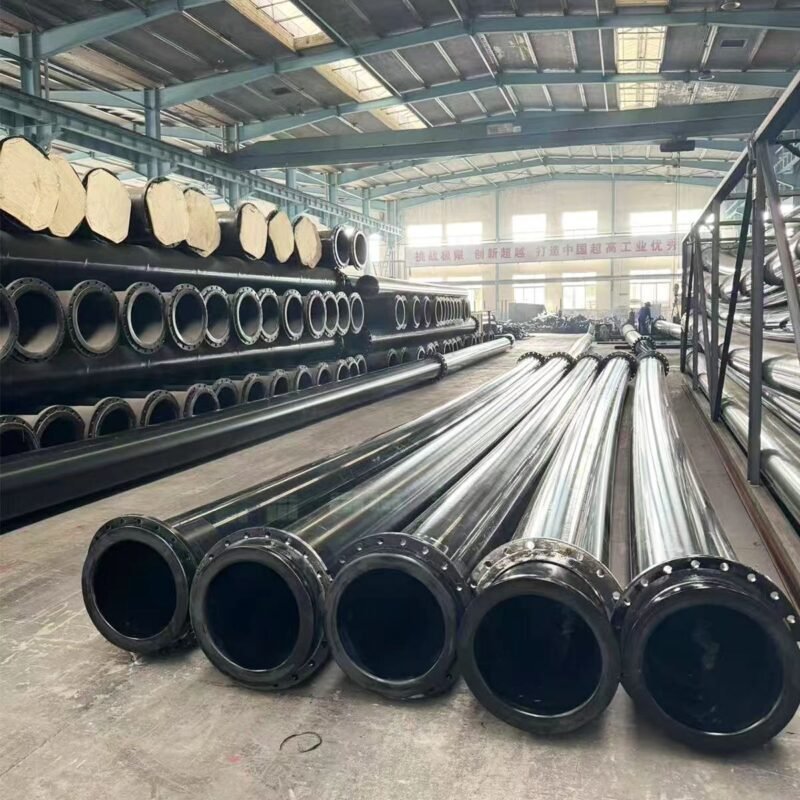
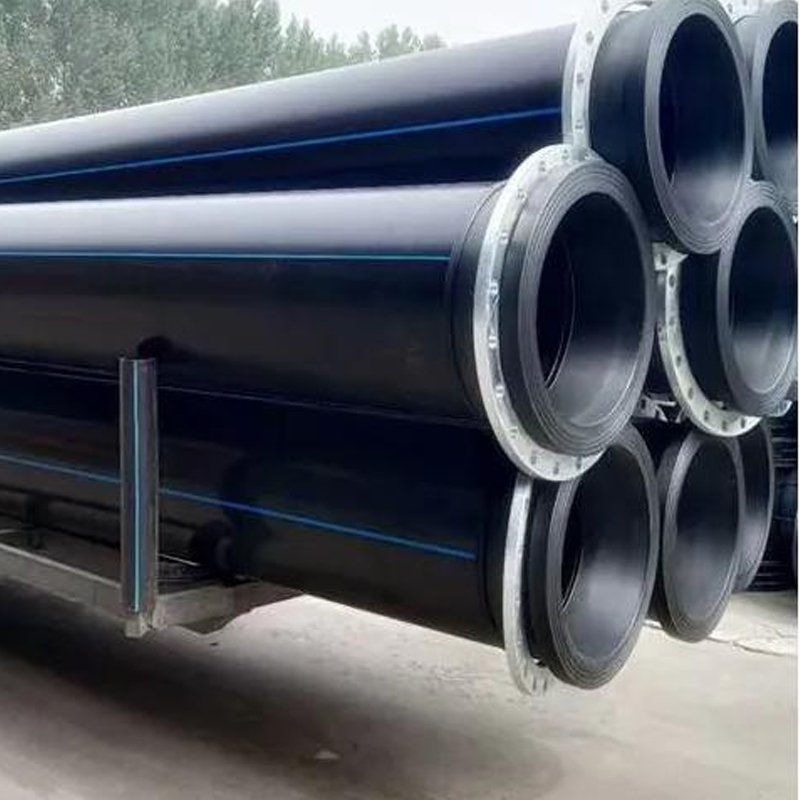
Construction Precautions for Tapered Floating Hose
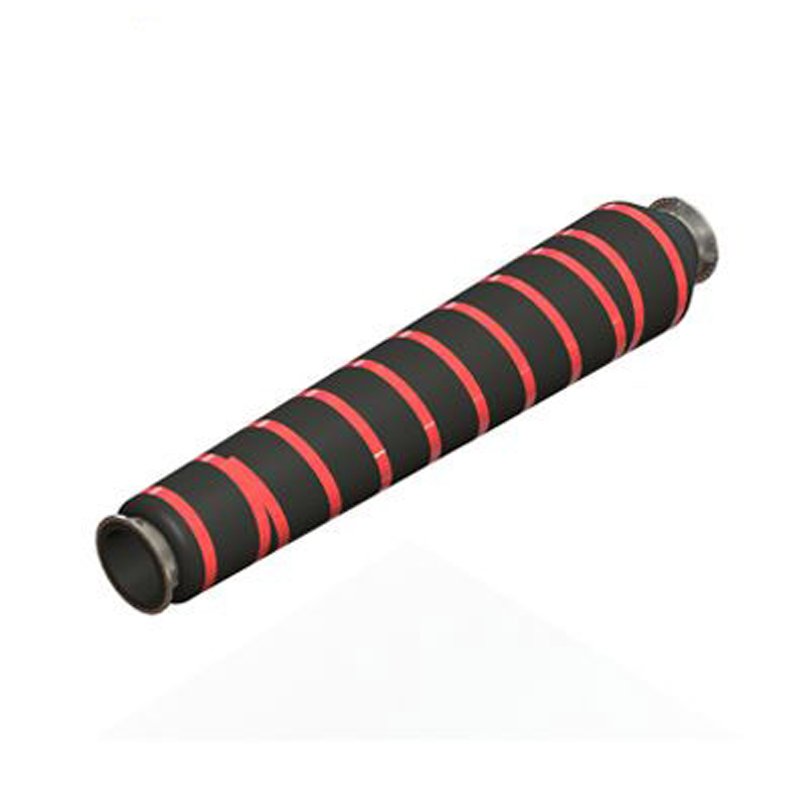
🌊 Pre-construction Preparation
• Site Survey: Master the meteorological, hydrological (water flow velocity, tides, waves) conditions of the working water area and the geological conditions of the riverbed/sea bed .
• Plan Design: Design the pipeline laying plan based on survey data, and calculate the ballast and buoyancy .
• Material Inspection: Check if the hose body, anti-corrosion layer, fittings, and floats (if applicable) are intact .
Pipe Connection and Fixing
• Connection Sealing: Ensure the interface connection is reliably sealed, and perform hydrostatic test if necessary.
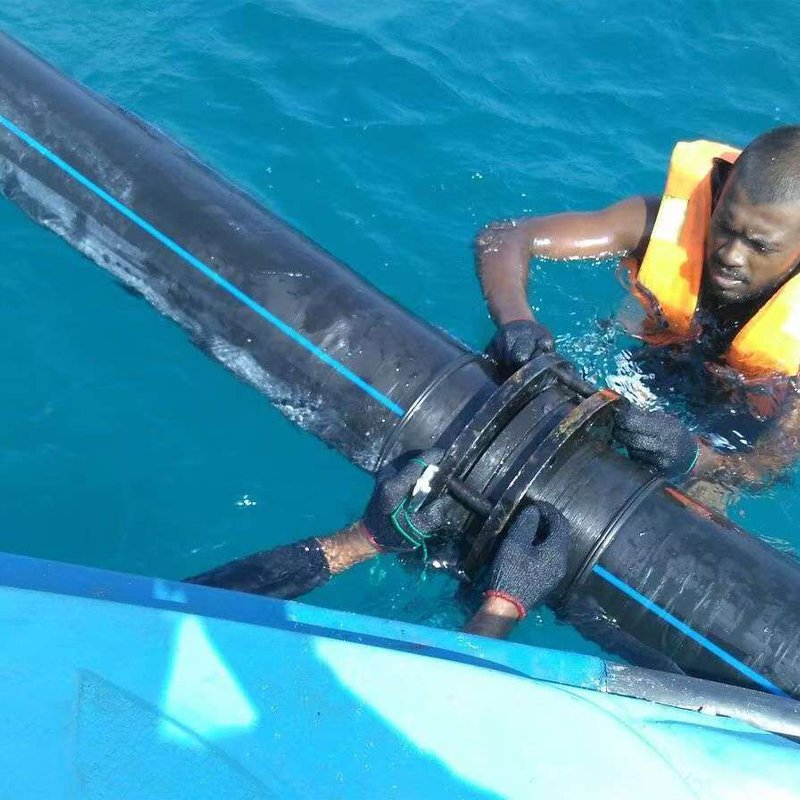
• Float Installation: If using floats, calculate the required buoyancy and secure them firmly to the pipe. For multiple floats, connect them into an integral unit using clamps .
• Pipe Stabilization Measures: Use concrete weights, balance bags, or anchoring systems as required by the design to prevent pipe displacement .
Construction Process Control
• Waterway Transportation: Seek opinions from channel management departments, set up construction signs and buoys, and issue navigation announcements .
• Weather and Water Conditions: Closely monitor changes in weather and water levels. When the water flow speed exceeds 1.5m/s, divers are prohibited from underwater operations; construction should be suspended during adverse weather such as thunderstorms and floods .
• Precise Positioning: Use GPS, sonar, and other equipment to ensure the pipeline is accurately placed in the designated location.
Safety Operating Procedures
• Personal Protection: Personnel engaged in water operations must wear life jackets and safety helmets; when performing floating pipe operations, they must be tied with safety rope No. .
• Standardized Command: Operations such as lifting and laying must be directed by a designated person, and operators must follow instructions strictly; solo work or forced work is strictly prohibited.
• Vessel Equipment: The berthing and anchoring of construction vessels must comply with regulations to prevent mooring ropes from affecting navigation.
Post-period inspection and maintenance
• Post-installation inspection: Use underwater cameras and other equipment to check the installation fit and pipe curvature .
• Regular maintenance: Regularly inspect the tightness of straps, wear conditions, and whether counterweights (such as weighted bags) have shifted or become damaged.
💡 Important Safety Tip
In addition to the key points in the table, the following safety details require special attention:
• Diving Operations: It is strictly prohibited for divers to consume alcohol before diving, and they should avoid eating indigestible or gas-producing foods. All diving equipment and air supply devices must be carefully inspected .
• Buoy Recovery: If temporary buoys are used during construction, after pipeline sedimentation, underwater robots (ROVs) must be used in accordance with regulations for underwater recovery. During operation, ensure that the tie straps are cut thoroughly and recovery is carried out quickly .
I hope this information is helpful to you. If you can share more specific construction scenarios (such as rivers, lakes, or sea areas), I may be able to provide more targeted advice.