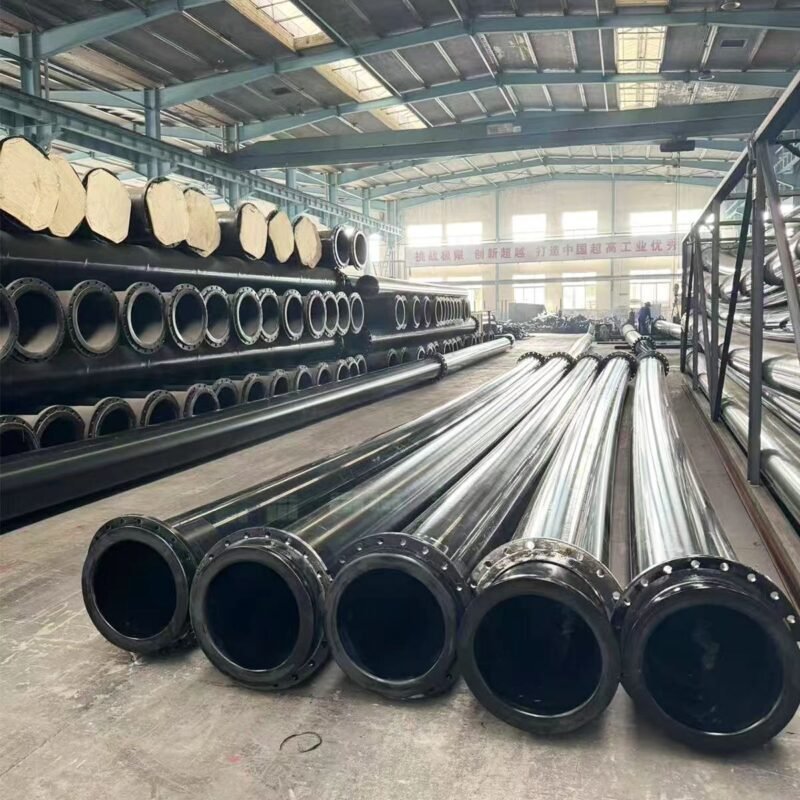
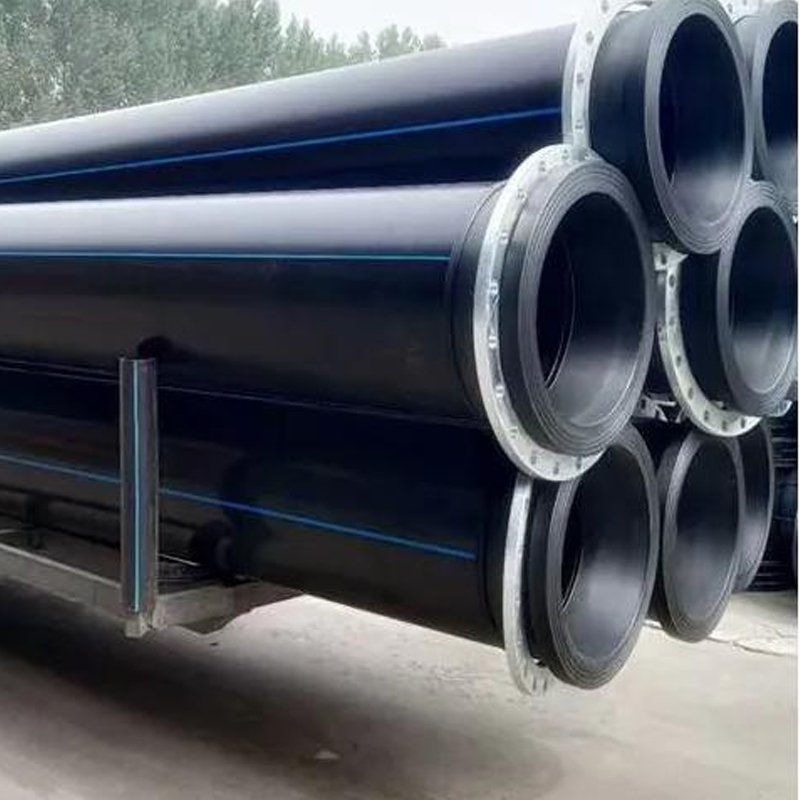
Construction Precautions for Inner Armor Dredging Rubber Hoses
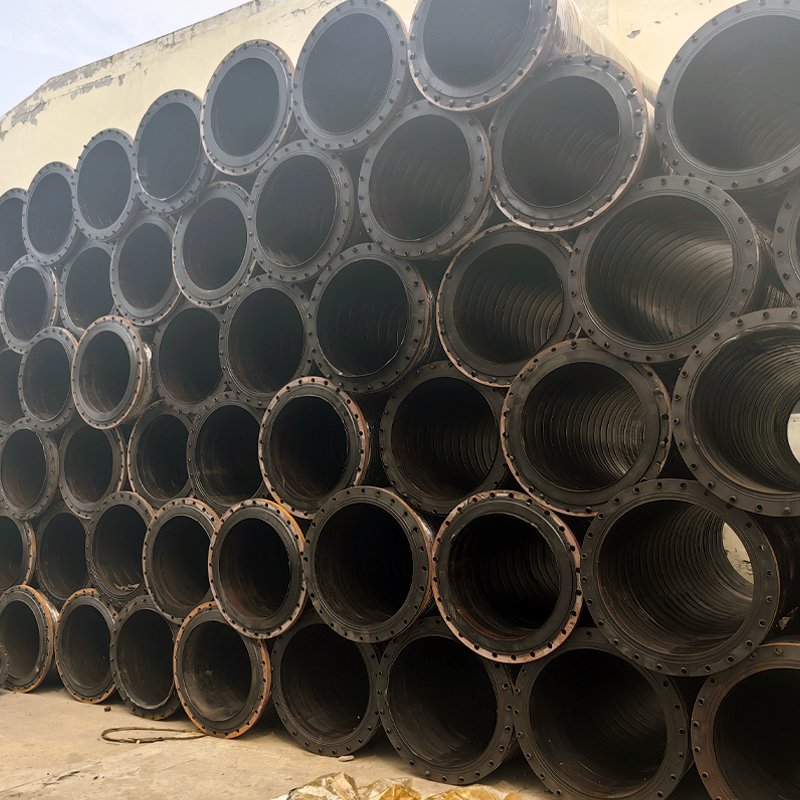
For the construction of internal armor dredging rubber hoses (referring to dredging rubber hoses with an internal armored reinforcement layer), the core points of attention cover the entire process from preparation, installation to operation and maintenance. Improper construction may lead to problems such as seal leakage and pipe damage.
To help you systematically understand, I have summarized the main construction precautions in the following table:
Construction Phase
Key Precautions
Critical Operations and Inspection Points
1. Pre-Construction Preparation
Material Selection and Matching
Based on conditions such as the medium to be conveyed (slurry, sewage, etc.), working pressure, and pipeline length, confirm whether the material, diameter, and pressure rating of the rubber hose are compatible.
On-Site Inspection
Inspect the pipe body for any abnormal external injuries, hardening, softening, or discoloration; check the reinforcement layer (armored layer) for signs of rust or breakage.
Fittings and Accessories
Select dedicated pipe fittings with matching dimensions and no scratches or rust; prepare appropriate lubricants (avoid oil-based lubricants) and dedicated fasteners, and avoid excessive use of wire.
2. Installation Process
Sealing Connection
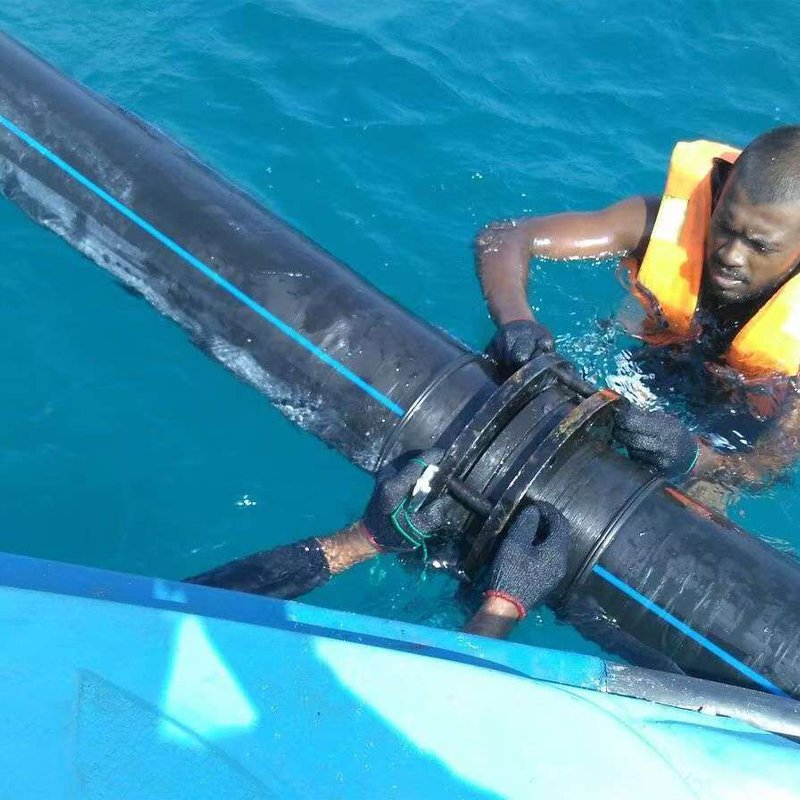
Ensure the connection is properly sealed and tightened according to regulations; avoid additional stress caused by insufficient stiffness or improper installation of the connection part.
Pipe Laying and Bending
Ensure the pipeline is used above its minimum bending radius; strictly prohibit proximity to metal parts under extreme bending conditions; lay the pipe smoothly to avoid twisting.
Lowering and Fixing Pipes
Lower the pipes smoothly using soft slings; control the spacing with dedicated fixing rings or supports (e.g., 300-500mm) to prevent pipe sagging and displacement.
3. Operation and Monitoring
Pressure Control
Slowly open and close valves to avoid impact pressure that may cause instantaneous damage to the pipe body.
Operation Inspection
Check for abnormal pipe vibration and leakage at joints; closely monitor whether the pressure gauge reading is within the allowable range.
Safety Exclusion Zones
When the pipeline is under pressure, especially during pressure testing or pulling, personnel must not face or approach potential rupture directions such as joints and elbows.
4. Maintenance and Storage
Regular Inspection
It is recommended to conduct a comprehensive inspection once a month, focusing on checking for pipe cracks: longitudinal cracks require continuous observation, and transverse cracks deeper than 2mm should be stopped immediately.
Cleaning and Storage
Clean the interior of the pipeline after use to prevent sediment from solidifying; store in a cool and ventilated place, avoiding sunlight, high-temperature environments, and keeping away from open flames and corrosive substances.
Important Supplementary Notes
In addition to the above procedures, the following points are also crucial for ensuring construction safety and pipeline lifespan:
– Prevention of Fatigue Damage: Rubber hoses for suction and discharge of mud and silt are prone to fatigue cracks under cyclic loads. Ensuring accurate installation and avoiding additional stresses such as twisting can help extend service life.
– Personnel Safety Protection: Operators should wear safety protective clothing, gloves, goggles, and other protective equipment.
– Special Construction Conditions:
– Rainy Season Construction: Anti-floating measures must be provided, and pipe segments should be backfilled to the specified height promptly after installation.
– Underwater Operations: Special processes such as lowering rubber-lined pipes with caissons may be required.
Summary and Recommendations
In summary, the construction of the inner armor dredging rubber hose is a systematic project that requires meticulous operation. The most prone-to-problem环节 in construction are installation and connection, pressure control, and daily inspections. It should be treated like an important piece of equipment, strictly following the process of selection, inspection, standardized installation, smooth operation, and regular maintenance.
If you can inform me of the specific construction conditions (such as medium type, maximum working pressure) or the specific problems encountered (such as frequent leakage at joints, easy wear at certain parts of the pipeline), I can provide you with more specific analysis and recommendations.