Comparison of Anti-Corrosion Processes for Flanges of Dredging Rubber Hoses
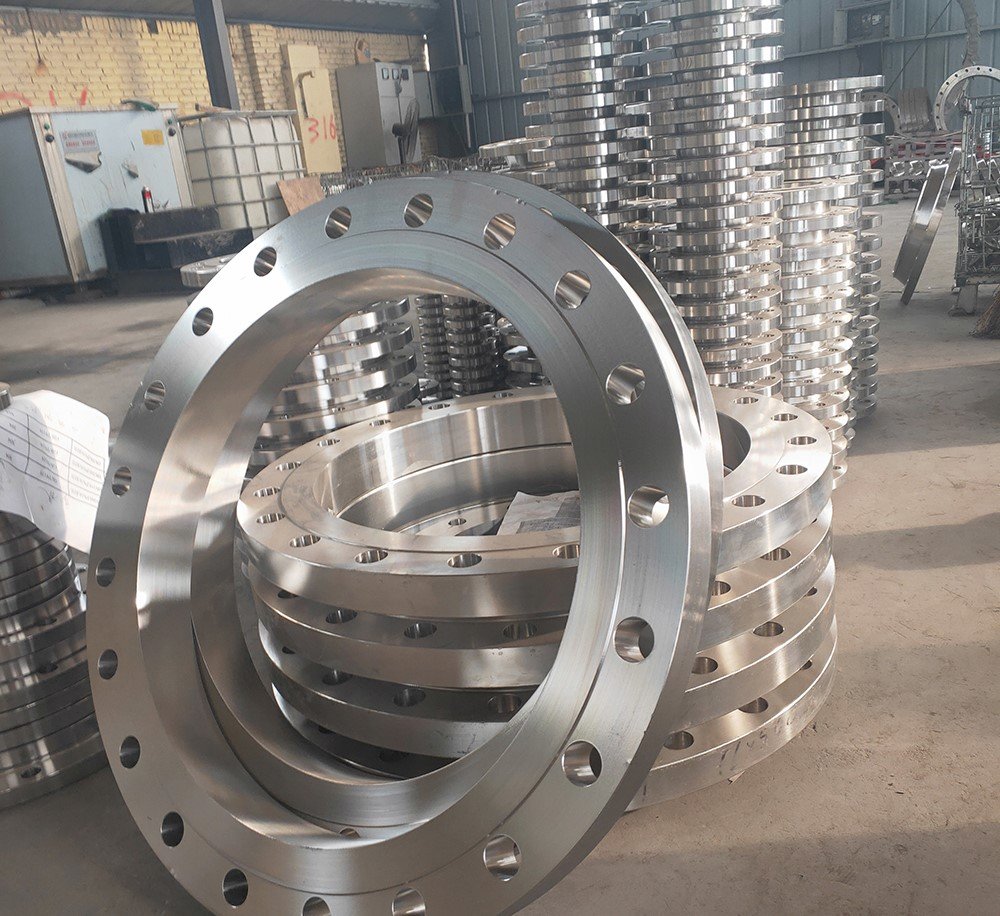
The core difference between galvanized flanges used on dredging rubber hoses and ordinary flanges (typically referring to carbon steel flanges without galvanization) lies in anti-corrosion processes and applicable environments. Dredging environments are highly corrosive to metal components, so anti-corrosion performance is the primary consideration for selection.
The following table can help quickly clarify their key differences:
Comparison Dimensions
Dredging Rubber Hose Commonly Used Galvanized Flanges
Ordinary Flanges (Typically Referring to Ungalvanized Carbon Steel Flanges)
Core Process and Appearance
Surface is treated with hot-dip galvanization, forming a dense silver-white zinc layer with a smooth and flat surface.
Mostly cast carbon steel material or used directly after forging, with simple anti-corrosion treatments such as spraying paint or plastic coating on the surface; some castings may have porosity defects.
Key Performance: Corrosion Resistance
Excellent. The zinc layer provides both a physical isolation barrier and sacrificial anode protection, making it particularly suitable for the humid, high-salt (seawater), and silt-containing dredging environment.
Poor. It is prone to rust in corrosive environments, requiring frequent maintenance, and has a relatively short service life.
Mechanical Properties and Cost
Base material is mostly forged carbon steel with dense internal structure and high mechanical strength; manufacturing cost is higher due to the additional galvanization process.
Cast flanges have lower cost but may have quality defects such as porosity; forged flanges have higher strength but no galvanized anti-corrosion layer; overall, procurement cost is usually lower.
Typical Application Scenarios
Dredging (ports, river channel dredging), marine engineering, sewage treatment, chemical industry, and other strongly corrosive environments.
Ordinary building water supply and drainage systems, low-corrosion industrial pipelines, and indoor environments with low anti-corrosion requirements.
💡 Dredging Project Flange Selection Key points
When selecting, follow the following core logic:
1. Prioritize Galvanized Flanges: For critical locations such as floating pipes on water, mud pump outlets, seawater environments, or transportation of corrosive media, it is strongly recommended to use hot-dipped galvanized flanges to ensure long-term stable operation of the pipeline and avoid greater losses caused by equipment failures and maintenance shutdowns.
2. Applicable Scenarios for Ordinary Flanges: Ordinary carbon steel flanges can be selected only for cost control in scenarios with extremely low corrosion risks, such as transporting clear water, short-term land construction, or transporting pure silt (no chemical corrosivity), but a sound daily inspection mechanism must be established.
3. Pay Attention to Core Quality Details: When purchasing, regardless of which type of flange is selected, confirm whether its nominal pressure (PN) meets the pipeline design requirements, check if the flange sealing surface is flat, if the bolt hole positions are accurate, and if there are obvious casting defects (such as cracks, porosity, etc.).
Main Connection Methods for Dredging Rubber Hoses and Flanges
There are two main forms of connection between dredging rubber hoses and flanges, which can be selected according to maintenance conditions and actual operating conditions:
Connection Method
Core Characteristics
Applicable Scenarios
Flanged Dredging Rubber Hose
The rubber hose comes with flanges vulcanized at both ends when leaving the factory, forming an integral flexible hose; it has firm and reliable connection and excellent sealing performance, but if a single section is damaged, the entire hose needs to be replaced.
Long-term fixed installation, high-pressure operating conditions, and dredging pipelines with high reliability requirements.
Removable Flange Connection
The rubber hose and flange have a detachable structure; the hose end steel ring is connected to the loose flange with bolts; it is convenient for maintenance and replacement, but has higher requirements for installation process, and the sealing performance directly depends on the installation quality.
Scenarios requiring frequent disassembly, mobile operations, or convenient local maintenance.
In summary, selecting galvanized flanges for dredging rubber hoses is primarily to adapt to harsh corrosive environments, which is an inevitable choice determined by anti-corrosion requirements. Therefore, it is necessary to bear higher procurement and manufacturing costs.
If specific application scenarios (such as marine dredging or river channel dredging, composition of the main conveying medium, etc.) can be provided, more targeted selection analysis can be further provided.