Comparison between General Floats and Rubber Floats
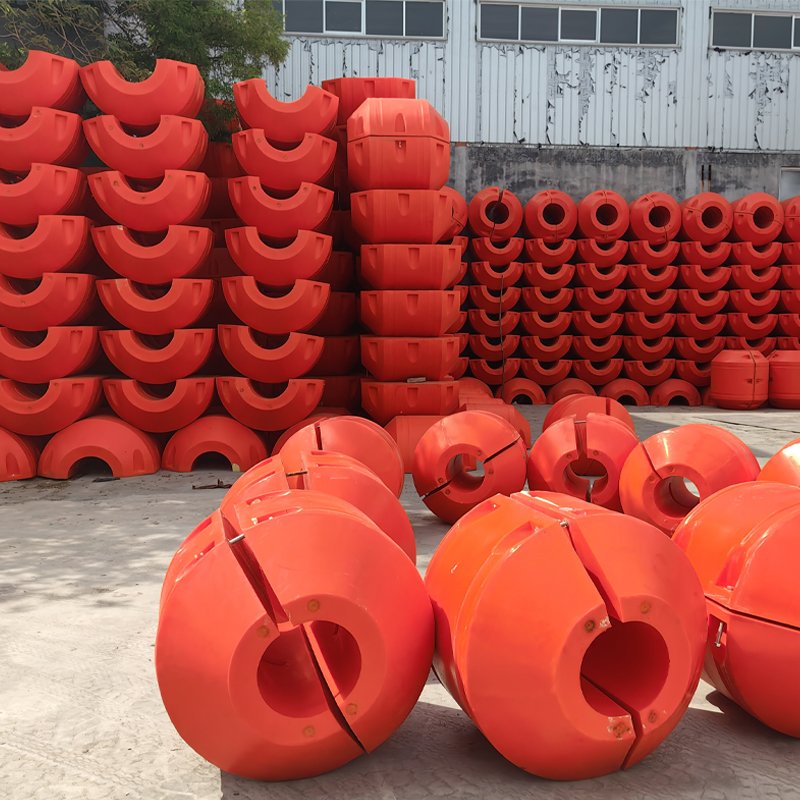
The comparison between general floats and rubber floats mainly focuses on material properties, application scenarios, durability, cost, etc. Here is a detailed comparison:
1. Material Properties
– General Floats (such as plastic, foam): Typically made of polyethylene (PE), expanded polystyrene (EPS), polyurethane (PU), etc. Lower density, greater buoyancy. Higher rigidity, poorer elasticity. Poor high-temperature resistance (e.g., EPS deforms easily). Some plastics are difficult to degrade.
– Rubber Floats: Made of natural rubber or synthetic rubber (such as styrene-butadiene rubber, chloroprene rubber). Higher density, enhanced buoyancy through foaming or hollow design. Good elasticity, can buffer impact forces. Broader temperature range (-50°C to 120°C depending on the type of rubber). Natural rubber is biodegradable, while synthetic rubber requires proper disposal.
2. Durability and Performance
– General Floats: Higher brittleness, prone to cracking or breaking. Surface prone to wear (e.g., PE buoys). Corrosion-resistant against acids, alkalis, and seawater (e.g., HDPE). Prone to aging under UV exposure (requires UV stabilizers).
– Rubber Floats: Good flexibility, resistant to impact and compression. Excellent abrasion resistance, suitable for long-term friction environments. Strong chemical corrosion resistance (especially synthetic rubbers). Good weather resistance but needs protection from ozone aging (e.g., chloroprene rubber).
3. Application Scenarios
– General Floats: Water amusement equipment (floating bridges, pontoons), aquaculture net buoyancy devices, temporary buoys or markers, low-cost one-time use (e.g., EPS foam buoys).
– Rubber Floats: Ship fenders, dock collision prevention systems, offshore platform, underwater equipment cushioning floats, high dynamic load environments (e.g., areas with frequent waves), scenarios requiring flexibility and sealing (e.g., inflatable rubber buoys).
4. Cost and Maintenance
– Initial Cost: Lower (especially plastic and foam). Higher (rubber materials and processing costs).
– Maintenance Cost: Requires regular replacement (prone to aging and damage). Longer lifespan, lower maintenance needs.
– Repairability: Difficult to repair (usually replaced entirely). Can be repaired (e.g., rubber patches or vulcanization treatment).
5. Other Differences
– Installation Flexibility: Rubber floats can adjust buoyancy by inflating, while general floats have fixed shapes.
– Environmental Regulations: Some sea areas prohibit foam floats (easy to break and pollute), rubber is more environmentally friendly.
– Customization: Rubber floats are easier to mold complex structures, plastic floats are mostly standard parts.
Summary and Selection Recommendations
– Choose general floats for limited budgets, static low-load applications, short-term use (e.g., temporary buoys).
– Choose rubber floats for high-dynamic environments, impact/mabrasion resistance, and high long-term durability requirements (e.g., dock fenders).
Based on specific needs (such as buoyancy, weather resistance, cost), make a balanced choice accordingly.