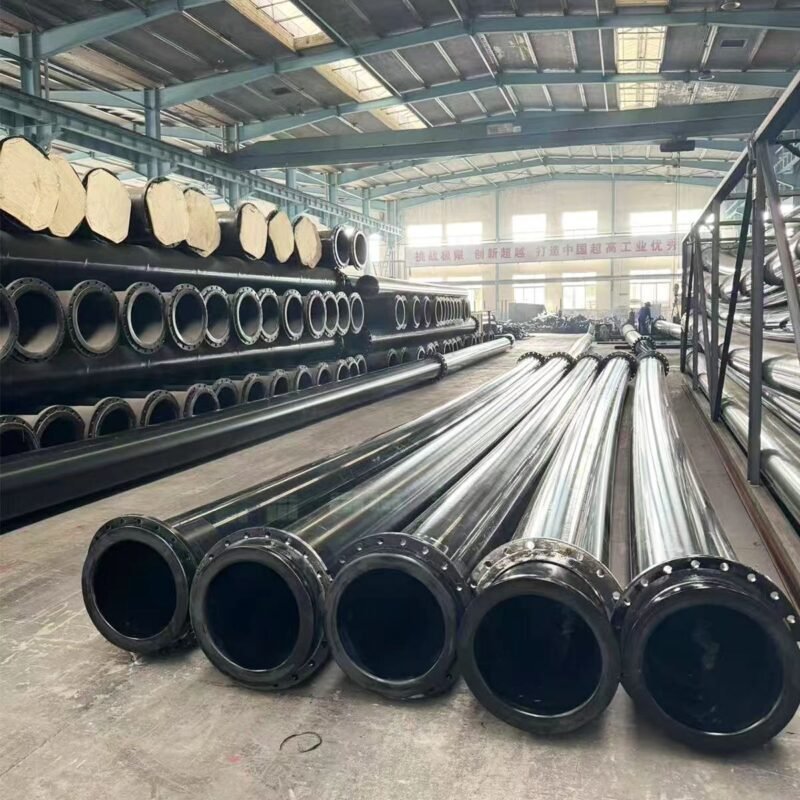
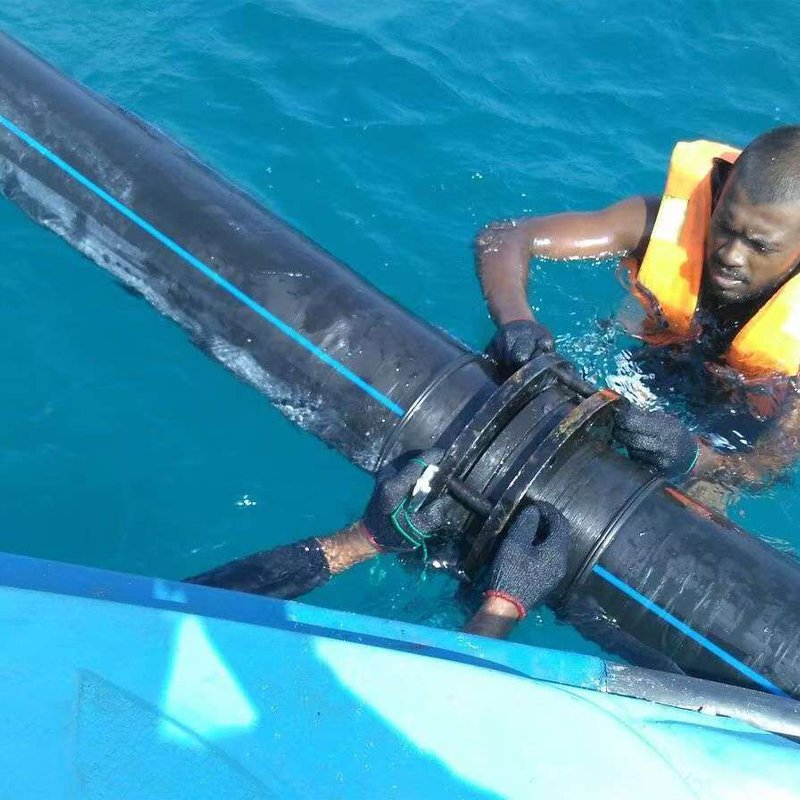
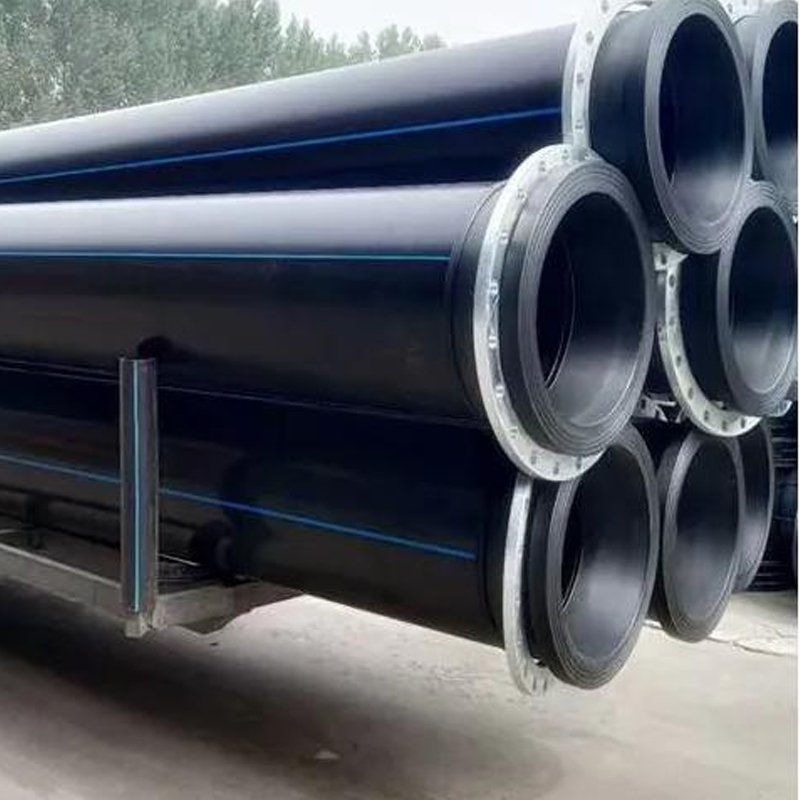
Comparison between conventional dredging pipelines and self-floating pipelines
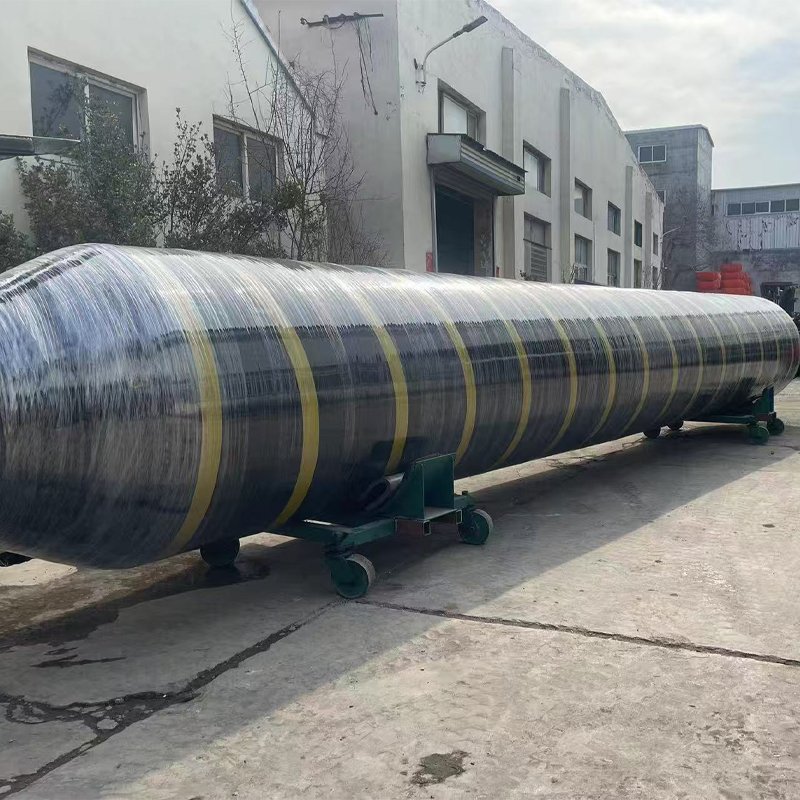
Common dredging pipelines and self-floating pipes each have distinct characteristics in dredging projects, mainly reflected in the following aspects:
1. Structure and Buoyancy Design
• Common Dredging Pipelines:
◦ Typically composed of steel pipes or high-density polyethylene (HDPE) pipes, relying on external buoyancy devices (such as pontoons, float boxes) to stay afloat on the water surface.
◦ Heavier weight, requiring additional support or anchoring systems during installation.
• Self-floating Pipes:
◦ The pipe body integrates foam-filled layers or hollow structures (such as double-walled tubes), capable of floating autonomously without external buoyancy devices.
◦ Lighter weight, easy for quick deployment and disassembly.
2. Installation and Mobility Efficiency
• Common Pipelines:
◦ Complex installation, requires assembly of pontoons and anchoring systems, taking longer time.
◦ Less flexible when moving, needs adjustment of pontoon positions.
• Self-floating Pipes:
◦ Ready to use after direct connection, no additional buoyancy equipment needed, fast deployment.
◦ Convenient for movement, suitable for projects requiring frequent pipeline position adjustments (e.g., river dredging).
3. Applicable Environment
• Common Pipelines:
◦ Strong wind and wave resistance (relying on anchoring systems), suitable for open waters or areas with poor sea conditions.
◦ Can handle larger diameters and high flow rates.
• Self-floating Pipes:
◦ Suitable for calm waters (such as rivers, lakes), may lack stability in strong winds and waves.
◦ Generally smaller diameter, suitable for medium and small-scale dredging projects.
4. Durability and Maintenance
• Common Pipelines:
◦ Steel pipes are wear-resistant but prone to corrosion, requiring regular maintenance; HDPE pipes resist corrosion but can be damaged by sharp objects.
◦ Pontoons need to be checked for seal integrity to prevent water ingress and failure.
• Self-floating Pipes:
◦ Overall sealed design reduces maintenance points, but damage to the foam layer may affect buoyancy.
◦ Materials are often polyethylene (PE), resistant to corrosion but may age under long-term UV exposure.
5. Cost Comparison
• Common Pipelines:
◦ Lower initial cost, but additional equipment such as pontoons and anchoring systems increase overall expenses.
◦ Higher maintenance costs (such as anti-corrosion, pontoon replacement).
• Self-floating Pipes:
◦ Higher unit price, but saves on pontoons and installation time, potentially more economical over the long term.
◦ Lower maintenance costs, suitable for short-term or frequently mobile projects.
6. Typical Application Scenarios
• Common Pipelines:
◦ Large port dredging, deep-sea reclamation, long-distance conveyance.
• Self-floating Pipes:
◦ River silt removal, environmental dredging, temporary projects, or operations in narrow waters.
Summary Selection Recommendations
• Choose self-floating pipes if the project requires rapid deployment, frequent movement, or budget prioritizes efficiency.
• Choose common pipelines if the environment is complex (strong winds and waves, large conveyance volumes) or the project duration is long, requiring higher stability.
Actual selection should consider the project scale, water conditions, schedule, and budget comprehensively.