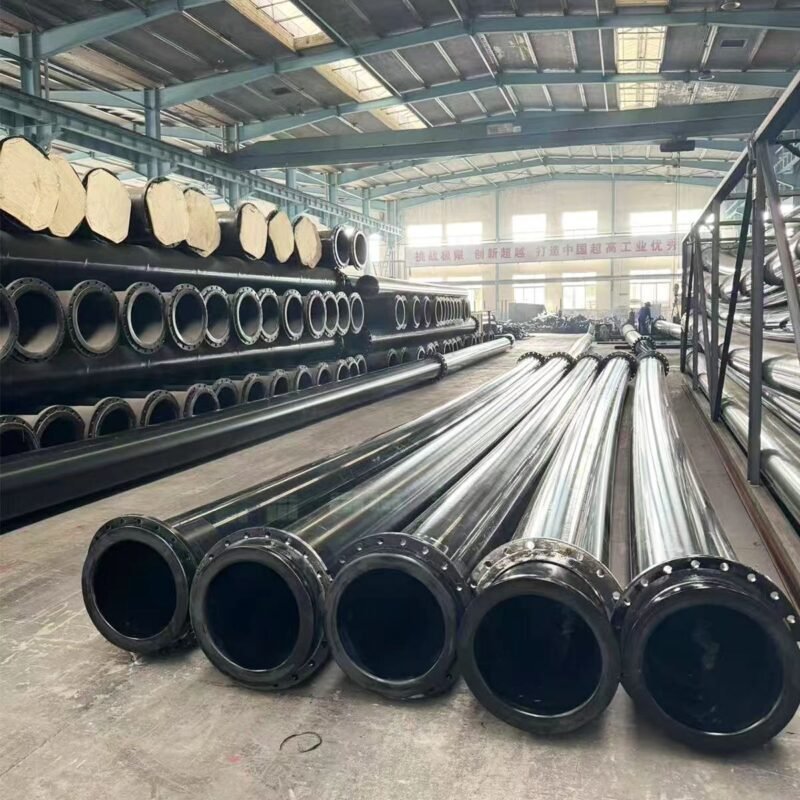
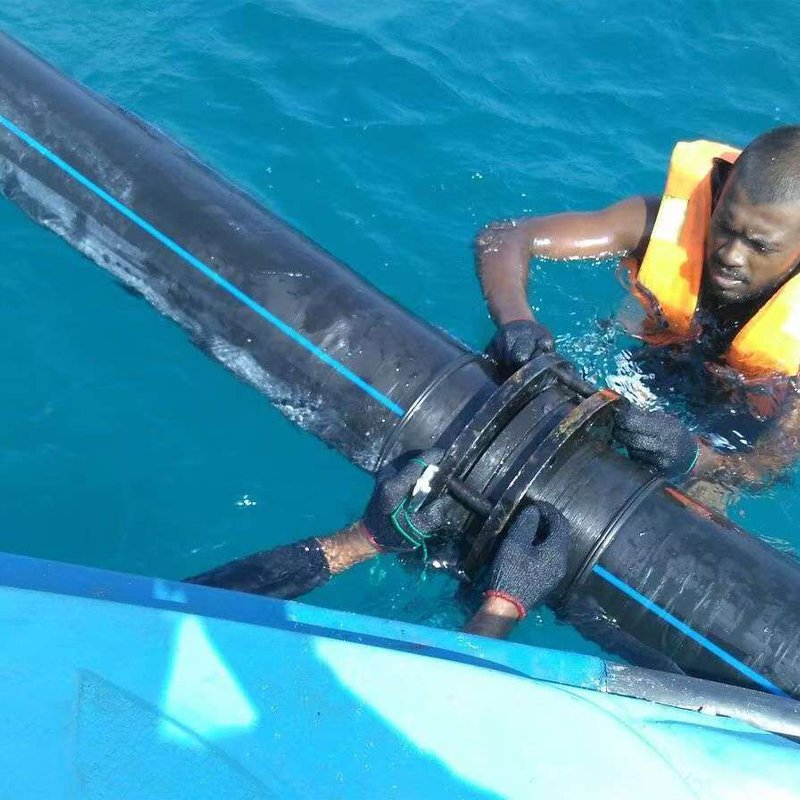
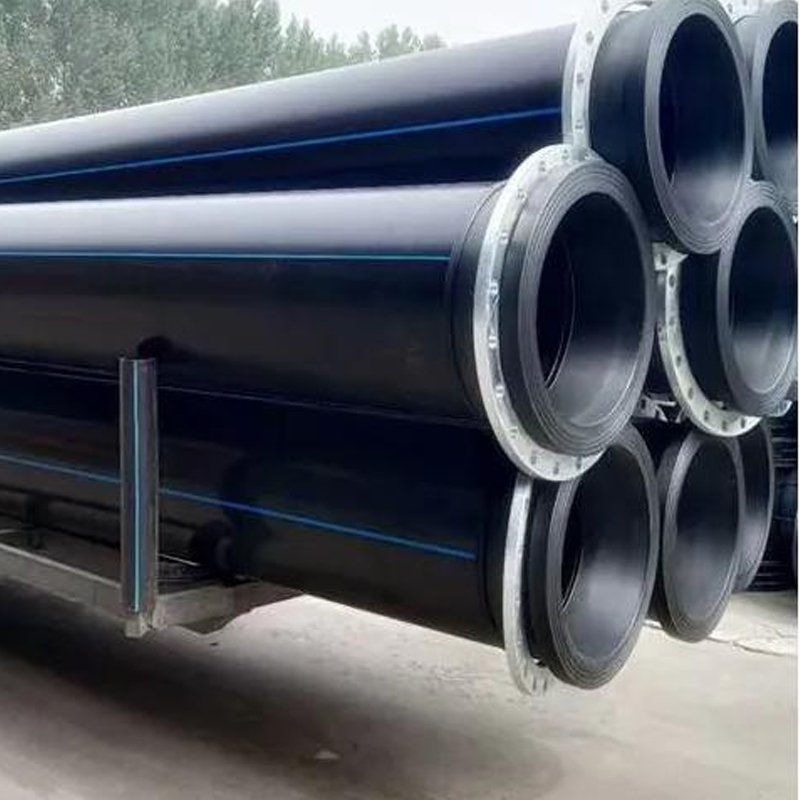
Comparative Analysis of Slope Rubber Hoses and Ordinary Rubber Hoses
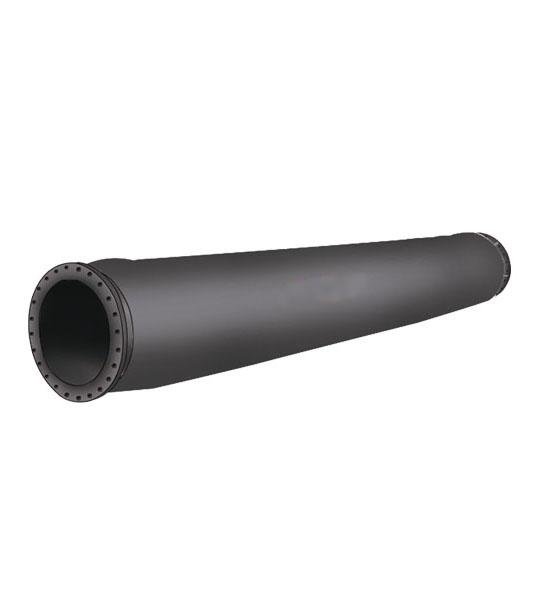
In short, a slope rubber hose is a special type of rubber hose designed specifically for high-wear and high-intensity conveying scenarios. On the other hand, an ordinary rubber hose is a broader concept that encompasses various rubber hoses meeting general conveying needs.
Let’s conduct a detailed comparison from several dimensions: Core Difference Comparison Table
Feature Dimension | Abrasion-Resistant Rubber Hoses (e.g., Abrasion-Resistant Sand and Stone Inclined Hoses) | Ordinary Rubber Flexible Hoses (e.g., Ordinary Water Supply Hoses, Air Hoses)
— | — | —
Design Purpose | Specifically designed for harsh conditions: Continuously withstands the scouring, friction, impact of large-grained materials (sand, gravel, ore, coal slag), as well as significant tensile and bending stresses. | General-purpose conveying: Used for relatively mild media (water, air, oil, weak acidic/alkaline solutions) and conditions, with no emphasis on extreme wear resistance and impact resistance.
Structural Strength | Ultra-high strength:
1. Extremely thick rubber layers: Particularly the inner and outer rubber layers are exceptionally thick to resist wear and physical damage.
2. Strong skeleton layer: Uses high-strength, high-density synthetic fibers (e.g., polyester, nylon) or even steel wire braid/wrap reinforcement, resulting in a rigid hose body with high pressure resistance and less likelihood of being flattened.
Conventional strength:
1. Moderately thick rubber layers: Thickness is primarily to meet sealing and general medium resistance requirements.
2. Standard skeleton layer: Usually uses fiber thread braid with fewer layers, aimed at meeting working pressure requirements, with better flexibility.
Abrasion Resistance | Core performance, extremely excellent: The inner rubber typically uses a wear-resistant rubber formula (e.g., adding ceramic microbeads, ultra-high hardness carbon black), and the outer rubber also has high wear resistance to resist ground friction. Its lifespan is several times to even dozens of times that of ordinary hoses. | Non-core performance: Has certain wear resistance, but will be damaged quickly when used for conveying abrasive materials over a long period.
Impact and Tear Resistance | Very excellent: The thick hose body and special rubber formula effectively resist impact from falling large material chunks and cutting by sharp objects. | General: More sensitive to impact and sharp objects, prone to damage.
Flexibility and Weight | Relatively heavy and rigid: Due to extremely thick walls and dense reinforcement layers, it has a large bending radius, is very heavy, and requires more manpower or equipment for moving and laying. | Lightweight and flexible: Easy to bend, coil, carry, and operate, with convenient use.
Typical Application Scenarios | – Mineral and tailings conveying in mines and quarries
– Bulk cargo (grain, ore sand) loading and unloading at ports and piers
– Concrete pouring and sand/gravel conveying on construction sites
– Slurry conveying in dredging projects
– Anywhere requiring long-term dragging on rough surfaces to convey abrasive materials | – Water supply and drainage in factories and gardens
– Power air supply for pneumatic tools
– Fuel and lubricating oil conveying for cars and equipment
– Agricultural irrigation and spraying
– General fluid transfer in households and ordinary industries
Price | Expensive: High raw material consumption and complex manufacturing processes, belonging to high-end products among industrial consumables. | Economical: Ranges from low to medium prices, with a wide selection and high cost-effectiveness.
In-depth Understanding: Why Do We Need Incline Hoses?
The term ‘incline’ vividly reveals its application scenarios: on inclined ramps, chutes, conveyor belt interfaces, or where material needs to be transported from a lower to a higher elevation. In these areas:
1. Large material drop height: Strong impact force.
2. High friction: Continuous and intense friction between the material and the hose wall.
3. Complex hose stress: Subject to the combined effects of self-weight, material weight, tension, and bending.
4. External wear: The hose body often rubs against the ground and steel structures.
Ordinary hoses may wear through, burst, or tear in such environments within days or weeks, while professional incline hoses can operate stably for months. Although they have a higher unit price, considering their overall lifespan and replacement downtime costs, their total cost is actually lower.
How to Choose?
1. Ask yourself what you are conveying?
◦ Abrasive solid materials (particles, chunks): Prioritize wear-resistant incline rubber hoses.
◦ Liquids, gases, non-abrasive slurries: Ordinary rubber hoses are sufficient; choose the appropriate type based on the medium (e.g., oil-resistant, acid/alkali-resistant).
2. Ask yourself how harsh the operating conditions are?
◦ Is there high-drop impact? Do you need to drag it on rough ground for a long time? Is the working pressure very high? If so, choose an incline hose.
◦ If it’s fixed installation or light movement with a mild environment, choose an ordinary hose.
3. Consider cost-effectiveness and efficiency
◦ For continuous production critical links, using more durable incline hoses to reduce Fault shutdown is a more economical choice.
◦ For intermittent, non-critical general conveying, ordinary hoses are sufficient to complete the task.
Summary
Incline rubber hoses are ‘special forces soldiers’, designed specifically for the harshest and most wearing tasks on the ‘battlefield’, equipped with heavy armor, sturdy and durable, but at the cost of being bulky and expensive. Ordinary rubber hoses are ‘general-purpose tools’, meeting the diverse basic needs of daily use, flexible and lightweight, economical and practical, but cannot withstand extreme tests.