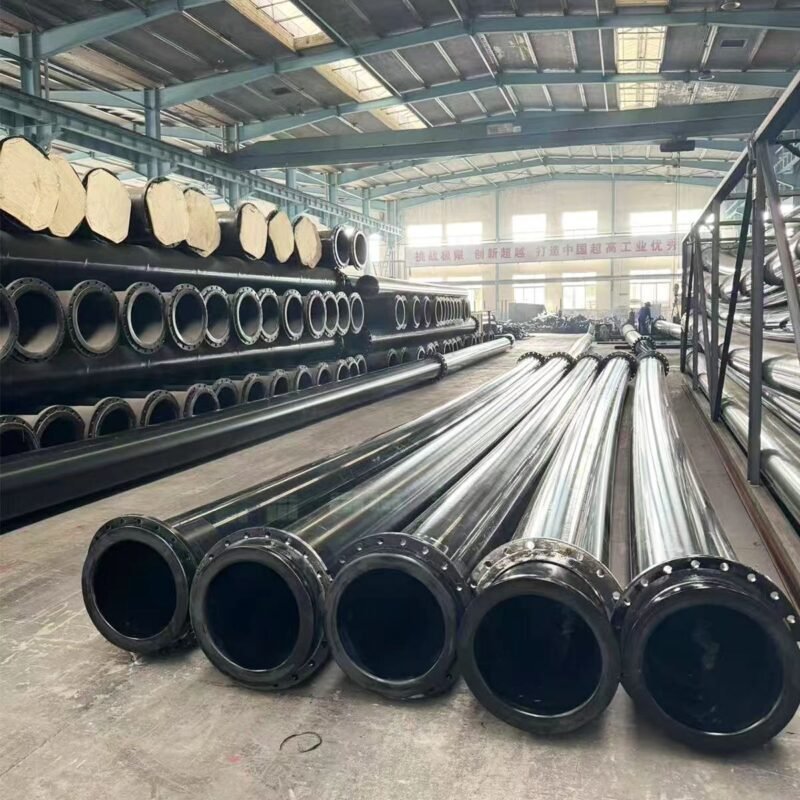
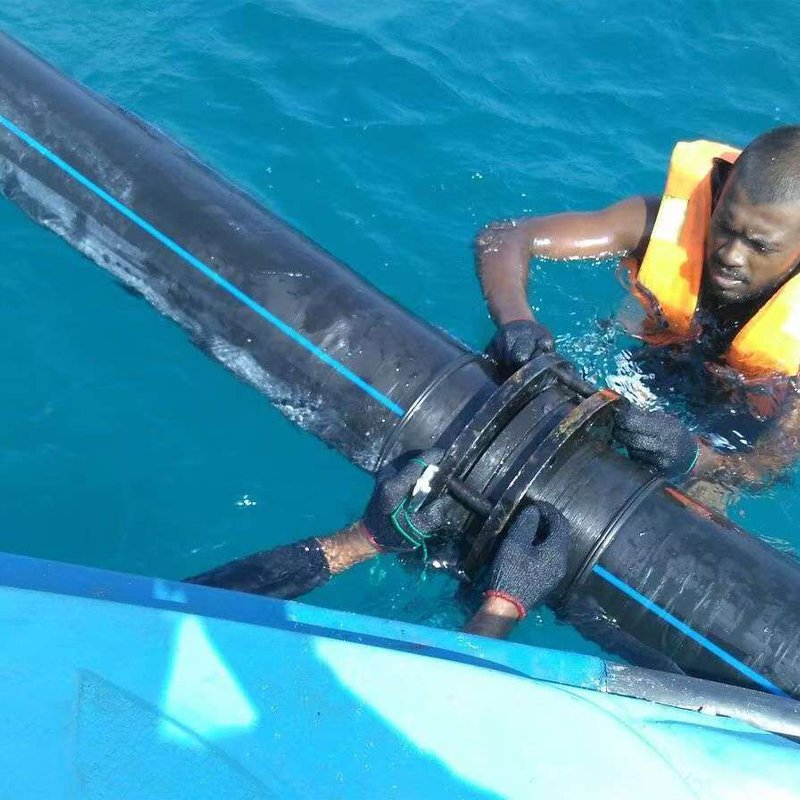
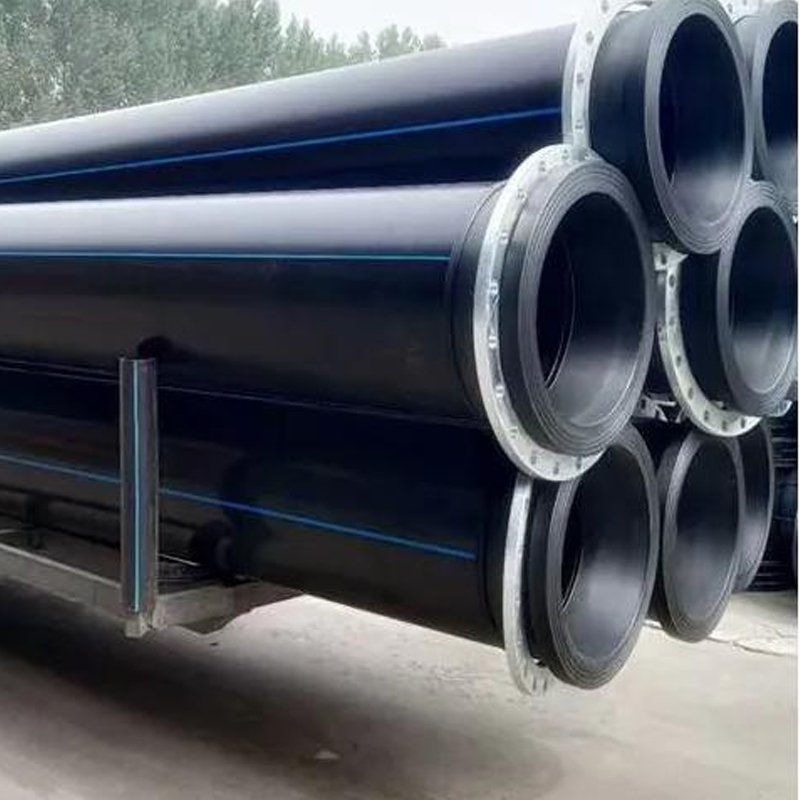
Comparative Analysis of Rubber Drainage Pipes and HDPE Drainage Pipes
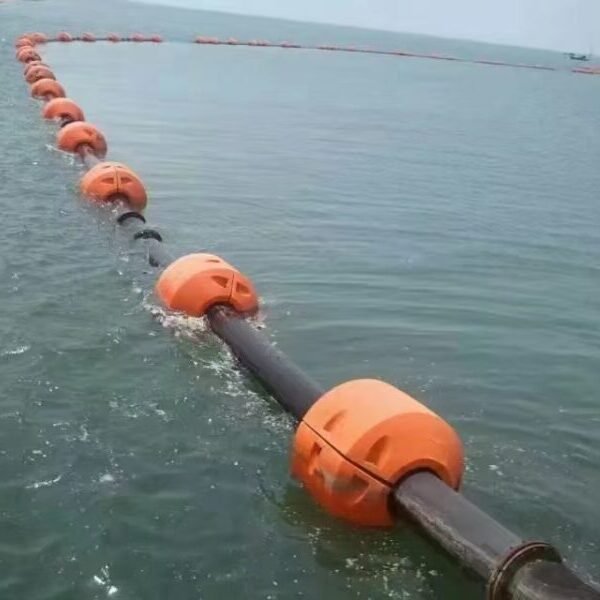
To help you quickly understand the core differences between rubber drainage pipes and HDPE drainage pipes, the following table provides an intuitive comparison of them from multiple dimensions.
Comparison Dimensions
Rubber Drainage Pipe HDPE Drainage Pipe
Core Material Rubber (with physiological inertness)
High-Density Polyethylene (HDPE)Flexibility and Strength Excellent flexibility, resistant to compression and deformation Good toughness, with certain flexibility, but overall strength and pressure resistance are higher than ordinary PE pipes Corrosion Resistance Good, oil-resistant, acid and alkali-resistant Excellent, resistant to most domestic and industrial chemicals, acid and alkali corrosion Temperature Resistance
Very wide range, -80℃ to 300℃ Relatively wide range, -60℃ to 60℃
Service Life (Search results do not clearly provide) Long, according to early usage experience in Europe and America, can reach 50 years
Hydraulic Characteristics (Search results do not clearly provide) Smooth inner wall, low roughness (0.009-0.01), strong drainage capacity
Connection Methods (Search results do not clearly provide) Diverse, such as rubber ring socket type, electric heat fusion, clamp connection, etc.
Main Application Scenarios Industrial, mine liquid/gas conveyance and suction Municipal drainage, building drainage , water supply, gas transmission
🔍 How to Choose the Right Pipe
In practical projects, you can refer to the following for selection:
• Pay attention to the usage scenario and medium
◦ Rubber hoses: More suitable for industrial, mining, and other scenarios that require conveying or suctioning liquids and gases, especially in cases with extreme requirements for heat resistance, cold resistance, oil resistance, and pressure resistance.
◦ HDPE pipes: A common choice in urban drainage, building drainage, water supply, and gas transmission fields. Their smooth inner walls can effectively improve drainage efficiency and prevent sedimentation. For municipal main roads, larger pipe diameters, or deeper burial depths, HDPE pipes (especially steel-plastic composite types) or reinforced concrete pipes are more reliable choices.
• Consider comprehensive cost and construction
◦ Although HDPE pipes may have a higher per-unit material cost, their light weight and diverse, flexible connection methods can significantly improve installation efficiency and save labor and mechanical costs. Additionally, their long service life also reduces long-term maintenance and replacement costs.
◦ The initial investment and replacement costs of rubber hoses in specific industrial environments need to be evaluated in combination with specific operating conditions.
• Pay attention to the selection of HDPE pipes
If HDPE pipes are determined to be used, it is also necessary to note that there are many types of them, such as:
◦ Double-wall corrugated pipes: High production efficiency, convenient installation, but limited pipe diameter specifications due to production process restrictions (maximum domestic diameter is about DN1200).
◦ Wound structure wall pipes (such as): Can produce extremely large diameters (up to 3000mm), high ring stiffness, but higher production costs.
◦ Steel-plastic composite pipes: Greatly enhance ring stiffness by adding steel tape, with good cost performance, but not applicable to environments with extreme temperature differences or strong corrosion (such as coastal areas), with the risk of steel-plastic separation.
It is hoped that this analysis can help you make a wise decision. If you can share the specific environment where the pipe will be used (for example, for building internal drainage, municipal road main drainage pipes, or industrial wastewater discharge in factories), I can provide more targeted suggestions for you.