Comparative Analysis of Foaming Performance between Polyurethane and EPS
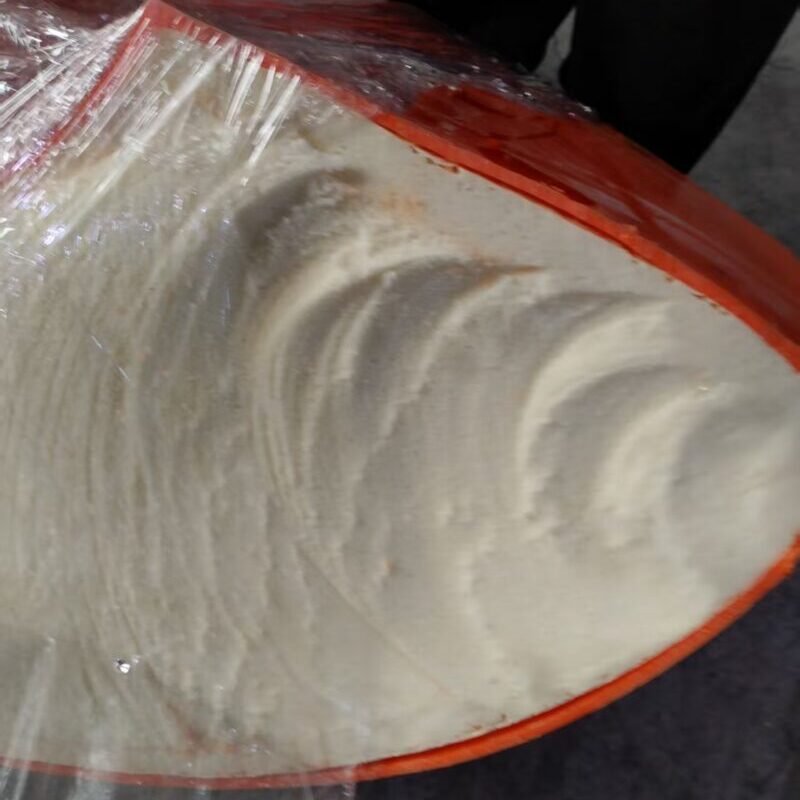
Polyurethane foam (especially rigid foam) and EPS foam have significant differences in their essential properties and application scenarios. Simply put, the core advantage of polyurethane rigid foam is high performance (excellent thermal insulation, waterproofing, and mechanical properties), while the core advantage of EPS is low cost and shock absorption protection.
The following comparison table summarizes their key differences, which can help quickly grasp the core points:
Comparison Dimensions Polyurethane Foam (PU, mainly rigid foam) EPS Foam (Expandable Polystyrene)
Basic Definition Thermosetting polymer generated by on-site chemical reaction Thermoplastic molded from pre-expanded beads by heating
Core Applications Building exterior/wall insulation and waterproofing integration, cold storage, pipe insulation, sandwich panel core Vibration-proof packaging, civil engineering lightweight fill, early exterior wall insulation, landscape modeling
Thermal Conductivity (W/m・K) 0.022 – 0.030 (mainstream environmentally friendly product range) Approximately 0.040 – 0.042 (slightly fluctuates with density)
Structural Characteristics High closed-cell rate (>90%), seamless overall structure with no joints Particle bonding structure with tiny gaps between particles
Mechanical Properties High tensile strength (≥0.3 MPa), suitable for high-rise buildings Lower tensile strength (≈0.1 MPa), limited mechanical support capability
Waterproofing/Sealing Excellent, spray application can form a continuous seamless waterproof layer General, water vapor is easy to permeate through particle gaps
Flammability Complies with national standard B1 grade (self-extinguishing when away from fire, surface carbonization) Ordinary type is flammable (melts and drips when on fire), flame-retardant modified can reach B1 grade
Material Cost Higher Low, which is its most core competitive advantage
Main Advantages Excellent thermal insulation performance, integrated insulation and waterproofing, high structural strength, good durability, suitable for complex base layers Low cost, lightweight, excellent cushioning and vibration-proof properties, simple molding process, easy processing
Main Disadvantages Relatively high price, high requirements for on-site spray construction process and environment Relatively weak thermal insulation performance, prone to aging and cracking, poor flame resistance of ordinary type, difficult to biodegrade naturally
How to choose based on needs
After understanding the above differences, you can make precise decisions by combining specific scenarios:
• Prioritize polyurethane rigid foam if pursuing high performance and long-term benefits:
◦ Building insulation and waterproofing integration: Especially suitable for exterior walls and roof projects with high standards for energy efficiency, waterproof sealing, and fire resistance (such as green buildings, high-end residences, and public buildings).
◦ Cold chain and constant temperature environments: Scenarios like cold storage warehouses, refrigerated trucks, constant temperature and humidity workshops, and cold chain containers, where its excellent insulation and sealing properties can significantly reduce energy consumption.
◦ Insulation scenarios requiring strength: Such as core materials for sandwich panels and irregular structural insulation (pipes, equipment casings), where the insulation material needs to have structural support capabilities.
• Prioritize EPS if pursuing cost-effectiveness and cushioning protection:
◦ Product cushioning packaging: Its core application, suitable for transportation packaging of electronic products, fragile items, furniture, etc., balancing cost and protection needs.
◦ Civil engineering filling: Subgrade filling, soft ground treatment, landscape shaping, etc., where lightweight materials are needed and there is no requirement for insulation.
◦ Temporary/low-demand insulation: Simple sheds, temporary facilities, and non-load-bearing component insulation, where requirements for durability and insulation efficiency are low.
⚠️ Other matters needing special attention
When choosing, in addition to core performance, the following details also need close attention:
• Construction method differences: Polyurethane rigid foam can form a seamless whole through on-site spraying/injection, adapting to complex structures and irregular base layers; EPS is mostly prefabricated board Paste/Concatenate installation, with a shorter construction cycle but sealing performance dependent on Joining Process. Both directly affect engineering efficiency, later leakage risks, and energy-saving effects.
• Environmental friendliness and compliance: Traditional polyurethane and EPS blowing agents once contained CFCs (which destroy the ozone layer). Currently, polyurethane has fully popularized environmentally friendly fluorine-free blowing agents (complying with national environmental standards); EPS itself is difficult to naturally degrade but can be recycled and reused (such as processed into recycled granules, lightweight concrete aggregates). When choosing, pay attention to the supplier’s environmental certification and recycling system.
• Flame retardancy requirements: Construction projects need to comply with ‘Classification of Fire Performance of Building Materials and Products’ (GB 8624). Polyurethane rigid foam defaults to B1 level; EPS needs to clearly select flame-retardant modified products (to avoid the risk of flammability of ordinary types), and specific requirements need to match the engineering design. In short, for long-term use projects with high performance requirements such as building insulation and cold chain, polyurethane rigid foam is a more reliable choice; for fields focusing on cost and convenience such as packaging and temporary filling, EPS still has irreplaceability.
If you need further information on technical parameters, construction specifications, or cost comparisons of certain materials in specific scenarios (such as ultra-low-temperature cold storage construction, precision instrument cushioning packaging, green building insulation solutions), please feel free to inform, and more detailed information support will be provided.