Common Problems, Solutions, and Maintenance Guide for Inner Armor Dredging Rubber Hoses
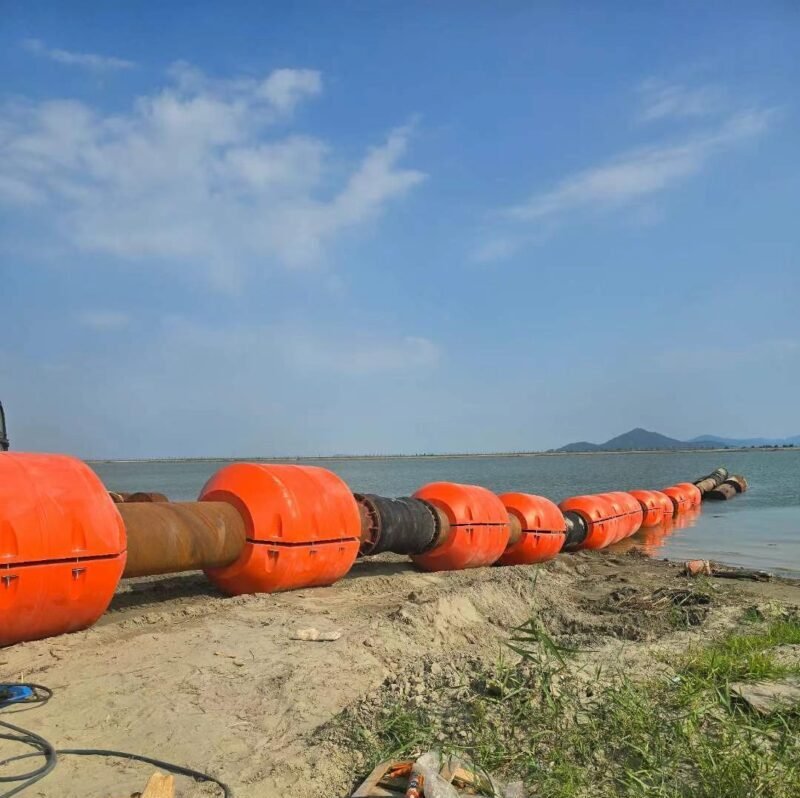
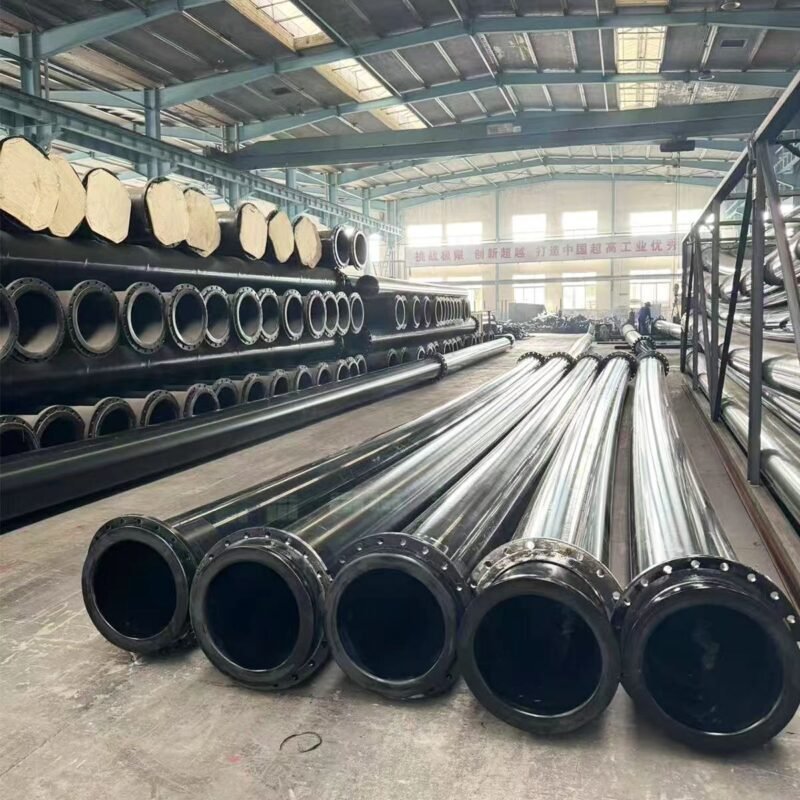
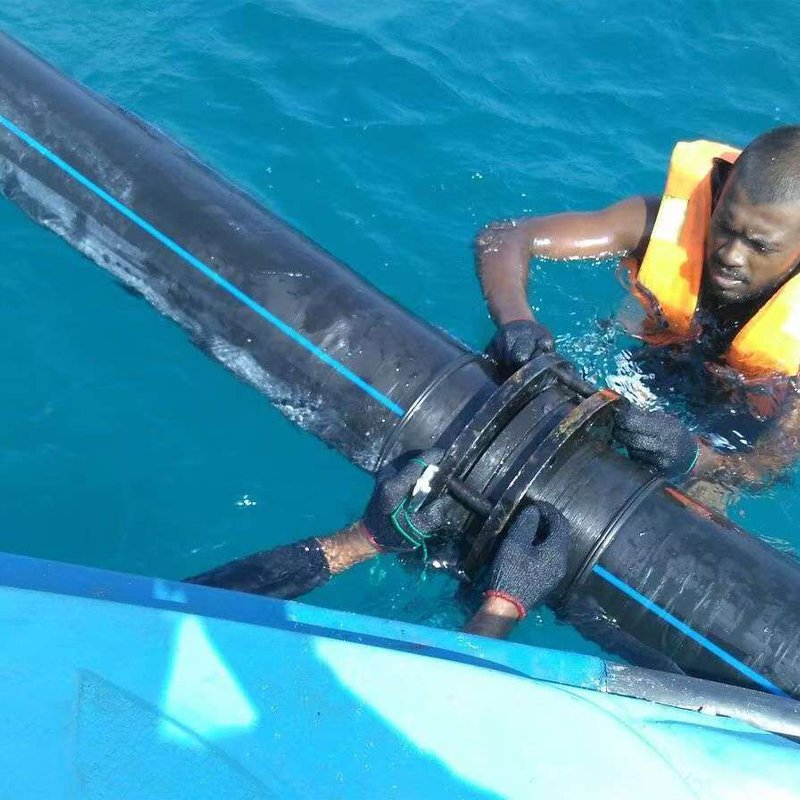
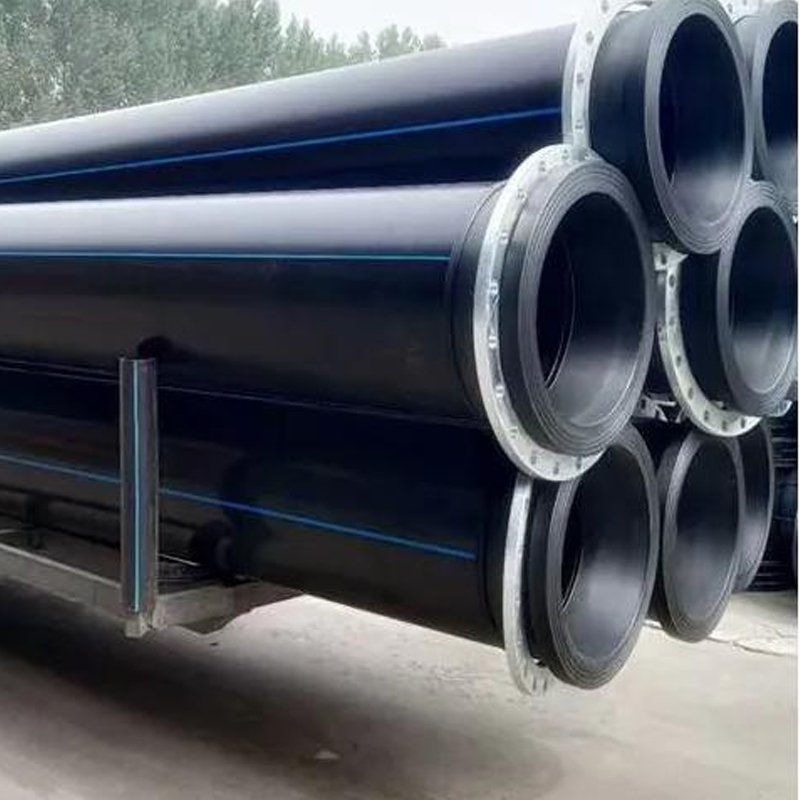
The inner armor dredging rubber hose plays an important role in dredging projects. Its common problems are usually related to external wear, joint seal failure, internal damage, and overall structural rupture. The following table summarizes the specific manifestations, main causes, and corresponding solutions for these types of issues.
Category of Issues**
**Specific Manifestations/Location**
**Root Causes**
**Solutions**
**Outer Rubber Layer and Structural Damage**
**Outer Rubber Layer Cracks**
Bending operations in cold environments; long-term use leading to aging
Replace with cold-resistant hoses in cold environments; regularly inspect and replace aged hoses
**Outer Rubber Layer Bulging**
Non-compliant product quality; improper fitting installation
Replace with qualified products; inspect and re-install fittings in accordance with specifications
**Hose Body Punctured or Worn by Foreign Objects**
Continuous friction with rough surfaces; contact with sharp hard objects
Install protective sleeves or guards at friction points; standardize the working environment to avoid hard object compression
**Fitting and Sealing Failure**
**Leakage or Bulging at Fitting Locations**
Improper fitting crimping or incorrect installation; aged sealing components
Reinstall fittings correctly; replace aged sealing components
**Steel Wire Braid Pull-Out**
Uneven force during installation; fatigue damage from long-term use
Replace the steel wire braid and ensure smooth, untwisted installation; select qualified配套 products
**Inner Rubber Layer and Internal Issues**
**Inner Rubber Layer Damage, Medium Leakage**
Erosion by high-pressure medium; incompatibility between hose material and transported medium (e.g., oils)
Check if system pressure exceeds limits and reduce pressure promptly; select hose material compatible with the medium
**Bubbles and Voids in Inner Wall**
Moistened raw materials; production process defects
Strengthen incoming inspection of raw materials and outgoing inspection of finished products; feedback to manufacturers for process optimization
**Overall Rupture and Failure**
**Longitudinal or Transverse Rupture of Entire Hose**
**Excessively high system pressure** leading to overloading operation; **excessive bending** with radius smaller than specified value
Replace hoses compliant with system pressure rating; **strictly adhere to minimum bending radius requirements** (usually >9 times outer diameter)
**Rupture After Hose Body Twisting**
Twisting during installation or use
**Avoid twisting during installation**, keep the hose body straight; promptly replace twisted and damaged hose bodies
**Fatigue Fracture**
Long-term exposure to high-frequency impact and vibration; pump oil circuit blockage causing pressure fluctuations
Inspect and secure equipment, install vibration-reducing devices to **minimize abnormal vibrations**; **timely clear circuits to maintain hydraulic system smoothness**
**Rupture After Rusting of Steel Wire Reinforcement Layer**
Long-term exposure to moisture or corrosion from corrosive substances
**Avoid hose contact with corrosive environments**; repair or replace immediately if outer rubber layer is damaged to prevent moisture and corrosive substances from entering
Comprehensive Preventive and Maintenance Recommendations
In addition to addressing the above issues specifically, correct usage and maintenance can fundamentally extend the hose lifespan. Specific recommendations are as follows:
– **Proper Installation**: Install while keeping the hose in a relaxed state to avoid excessive tension; ensure the hose body has no twisting. When bending is required, the bending radius should not be less than 9 times the hose outer diameter, and forced bending is strictly prohibited.
– **Standardized Usage**: Closely monitor **system operating pressure**, strictly prohibit overpressure use; during dredging operations, try to avoid areas near the hull edge, sharp underwater debris, etc., to prevent the hose from being **excessively compressed or abraded**.
Regular Inspection and Proper Storage:
– **Daily Inspection**: Before and after each use, Key point check for **cracks, bulges, abnormal wear** on the outer rubber layer, and ensure the fittings are securely connected with no signs of leakage.
– **Systematic Inspection**: Regularly conduct a comprehensive inspection of the entire hydraulic system to ensure there are no issues such as **abnormal vibrations** or **oil circuit blockages**.
– **Proper Storage**: When idle for a long time, the hoses should be placed in a **cool, dry, well-ventilated environment**, avoiding direct sunlight, high-temperature baking, and heavy object compression.
When Must New Hoses Be Replaced
If the hose exhibits any of the following severe conditions, **it must be immediately stopped from use and replaced with a new hose**. Operation with \”illness\” is strictly prohibited to prevent safety accidents:
– **Severe damage to the inner rubber layer**: Such as obvious **swelling, hardening, cracking** due to deterioration, which cannot guarantee the sealing performance during transportation.
– **Exposure or corrosion of the reinforcement layer**: After the outer rubber layer is damaged and not promptly treated, leading to **exposure and rusting of the steel wire reinforcement layer**, affecting the structural strength of the hose body.
– **Permanent deformation**: The hose has **bulges, twists, flattening** or other irreversible deformations that affect normal use.
– **Fitting failure or severe leakage**: Structural damage at the fitting location, or leakage that cannot be stopped even after repair.
In summary, the dredging working environment is harsh and demanding. Maintenance and management of internal armor dredging rubber hoses must adhere to the principle of \”prevention first and regular inspection\”. It is hoped that the above information can help you efficiently solve various problems encountered during hose use. If you can provide specific working environment information about the hose (such as main transported medium, approximate system pressure range, operating environment temperature, etc.), I can further provide more targeted analysis and suggestions.