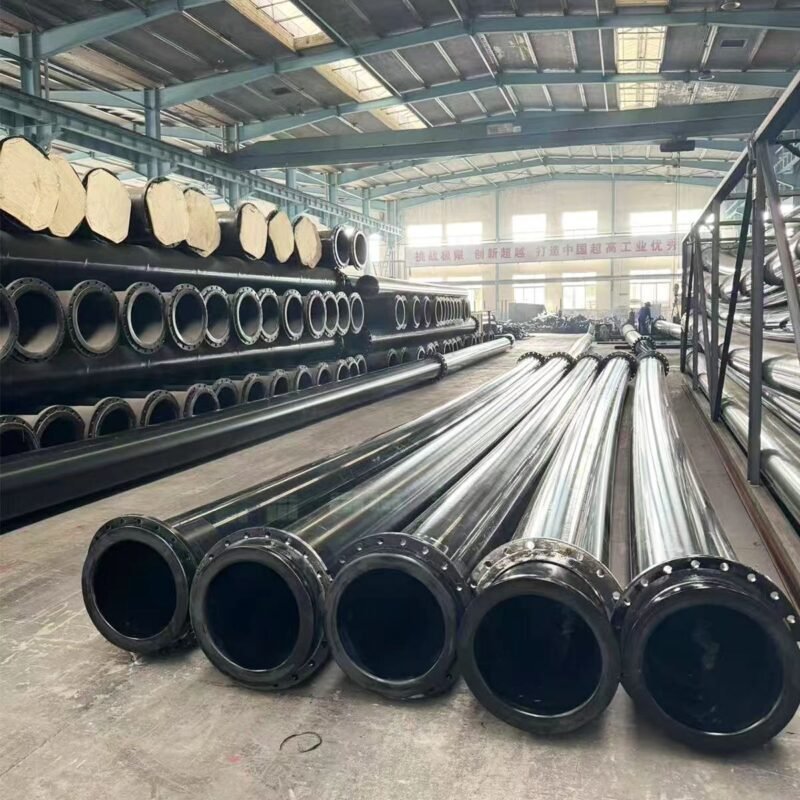
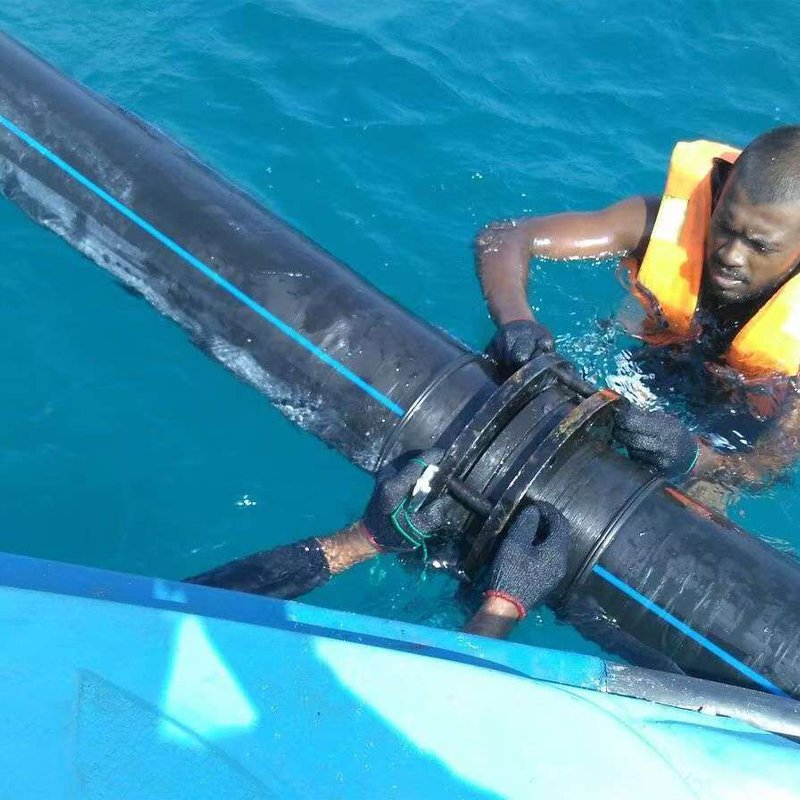
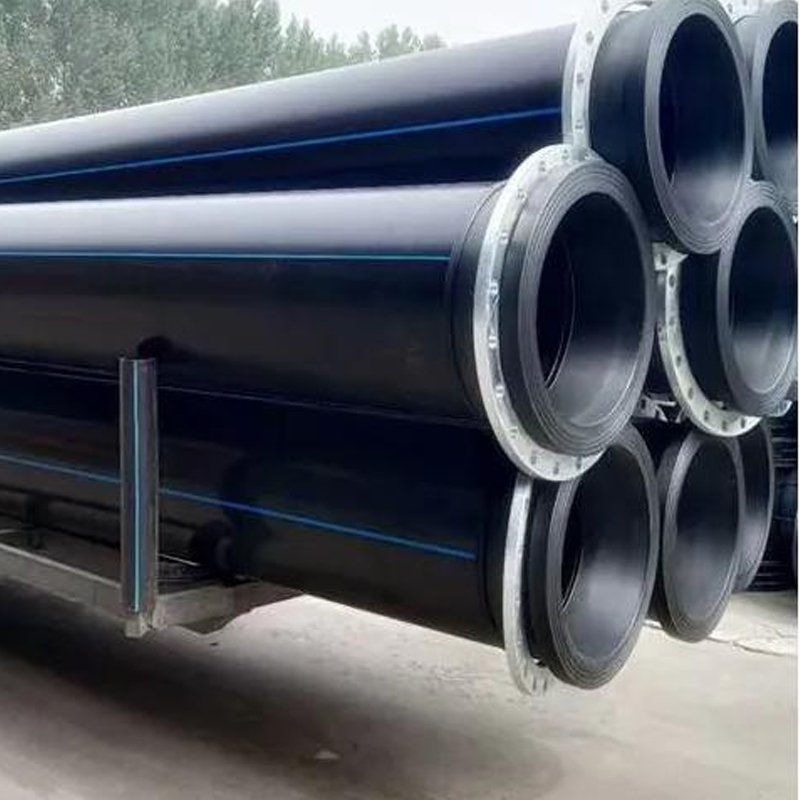
Common Problems and Solutions for Live Flange Dredging Rubber Hoses
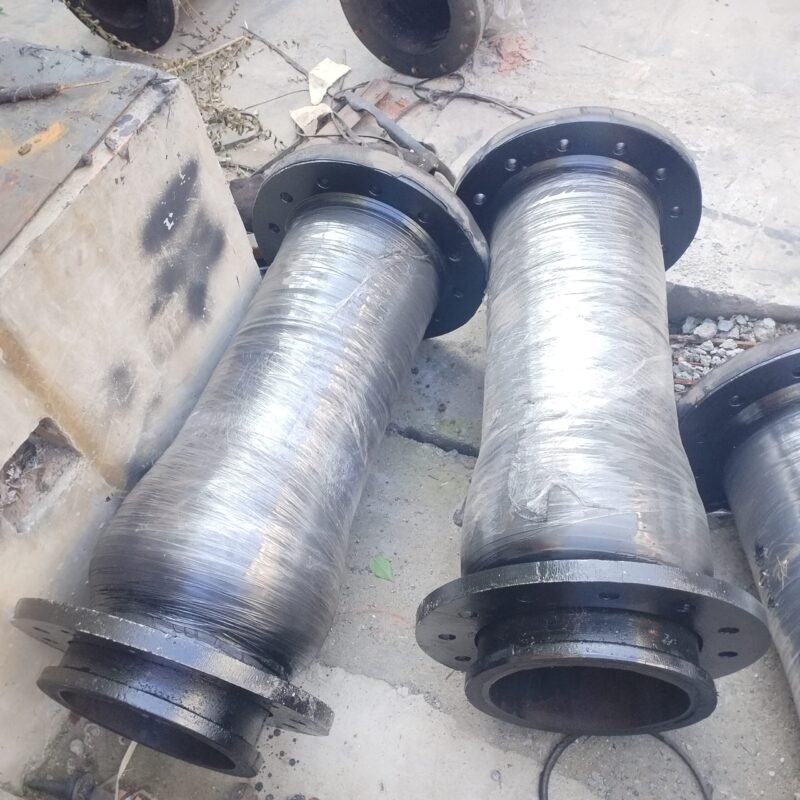
I. Common Faults and Causes of Dredging Rubber Hoses
According to professional materials, dredging rubber hoses may encounter the following problems during use, with diverse underlying causes:
• Main issues: Breakage, blockage.
• Possible causes:
• Quality issues, such as manufacturing defects in the rubber hose itself.
• Improper installation or usage, for example, abnormal movement or vibration in the pipeline system leading to fatigue damage of the rubber hose.
• Mismatched working conditions, such as abnormal system pressure (incorrect oil spraying pressure), blockage in the return oil circuit, etc.
II. General Fault Diagnosis and Solutions
Although there is no specific process for ‘live flange dredging rubber hoses’, the principles of many faults in rubber hose and flange connections are similar. The following table summarizes common issues and their troubleshooting approaches.
Fault Location Fault Phenomenon Possible Causes Solution/Reference Method
Hose Itself
Cracks in Outer Rubber
Layer Bending in cold environment; natural aging.
Avoid bending at low temperatures; regularly inspect and replace aged hoses.
Bubbles in Outer Rubber Layer
Unqualified product quality; improper use.
Replace qualified products; operate according to specifications. Leakage (without rupture)
Inner rubber layer eroded or abraded by high-pressure medium.
Check medium compatibility and pressure rating, replace with more durable hoses.
Hardening and Swelling of Inner Rubber Layer Incompatibility between medium and rubber, causing chemical corrosion.
Confirm medium properties, replace with special rubber hoses resistant to the corresponding medium (e.g., oil-resistant).
Flange Connection Leakage
Insufficient or uneven bolt pre-tension; impurities or damage on sealing surface; gasket aging or misalignment.
Install according to specifications (e.g., tighten bolts in diagonal order). Disassemble and inspect, clean or repair sealing surface, replace gasket. For high-pressure situations, try increasing pre-tension in stages within safe limits.
Pull-out
Actual pipeline stretching exceeds the rubber joint’s limit.
Adjust pipeline installation to eliminate excessive stretching; or replace with a joint equipped with a limit device.
Overall Installation and Usage
Abnormal Wear, Rupture
Twisting during installation; excessively small bending radius; friction with hard objects.
Avoid twisting during installation. Ensure minimum bending radius (usually >9 times outer diameter).
Add protective sleeves at friction points.
Deformation from Immersion
Ordinary rubber hoses in long-term contact with corrosive media such as oils.
In oil transportation and other conditions, specialized oil-resistant rubber hoses must be used.
⚠️ Important Note:
1. Professional Operation: Some of the above solutions (such as increasing bolt pre-tension and pressure-sealing leaks) require professional knowledge and tools. Improper operation poses risks, so it is recommended to be carried out by professionals .
2. Root Cause Resolution: Technologies like pressure-sealing leaks are mostly emergency measures. Thorough repairs should be performed when the system is shut down .
3. Protective Measures: For flanges and hoses exposed to outdoor or corrosive environments for a long time, consider using anti-corrosion tape, peelable sealant films, etc., for protection to extend their lifespan .
III. Daily Usage and Maintenance Recommendations
To reduce failures, you can refer to the following points:
• Standard Installation: Install strictly according to product instructions, ensuring flange alignment and uniform diagonal tightening of bolts to avoid hose twisting or improper stretching/compression.
• Regular Inspection: Establish a regular inspection system, focusing on checking for cracks, bulges, abnormal wear on the outer layer of hoses, leakage signs at flange connections, and loose fittings .
• Proper Selection: Select suitable rubber hose materials and grades based on the actual characteristics of the dredging medium (such as whether it is corrosive), working pressure, temperature, and environmental conditions (such as whether it is exposed to outdoor sunlight).
If you can provide more specific information, such as whether the hose itself has ruptured or there is a leak at the flange, the type of medium, operating pressure, etc., I can try to provide you with more targeted analysis.