Common issues and troubleshooting of the floater
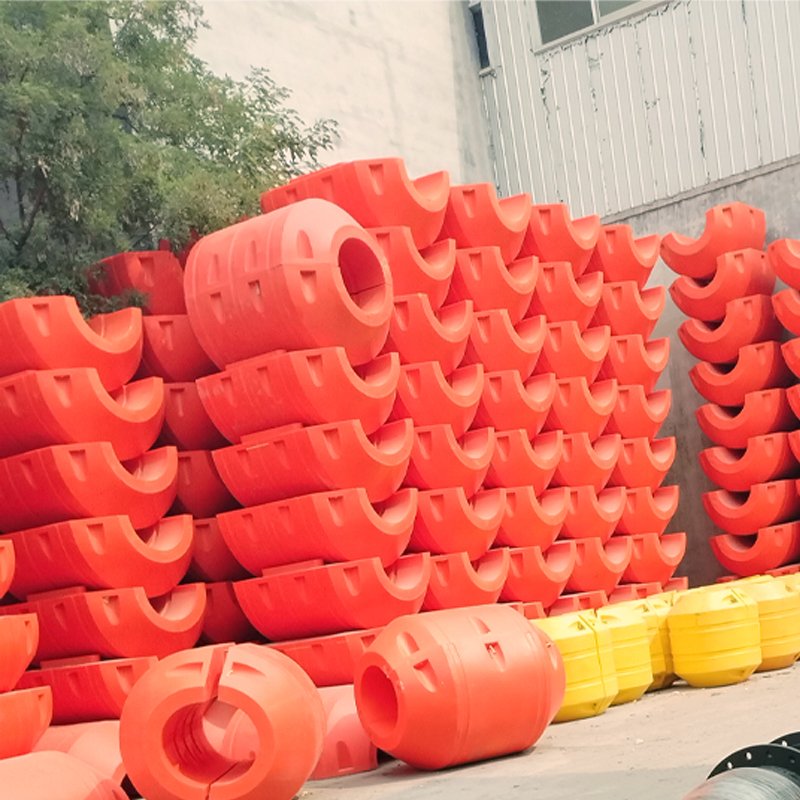
Buoyancy decrease/draft increase: Internal water ingress, foam saturation, attached heavy objects. Shore check, drain water, dry foam, or replace buoy.
Severe surface cracks: Aging, impact, manufacturing defects. Small cracks can be repaired with plastic welding, large cracks need replacement.
Eyelets/connection points damage: Overloading, fatigue, wear. Stop using, reinforce or replace by professionals.
Excessive biofouling: Long-term lack of cleaning. Shore high-pressure wash, consider using antifouling paint.
Steel buoy corrosion: Coating damage, seawater corrosion. Thorough rust removal (sandblasting), re-paint (rustproof paint + antifouling paint).
Seasonal maintenance (especially in regions with winter): Before winter/hurricane season, conduct a thorough annual inspection, reinforce mooring systems, ensure they can withstand severe weather.
Winter anti-icing: In ice-prone waters, ice expansion and compression may severely damage buoys.
Solutions include: Anti-icing system (Bubbler System): Release air underwater to prevent surface icing. Remove and store ashore: The best option is to hoist the buoy indoors.
Storage: If not used for long periods, try to hoist the buoy out of the water. Store in a dry, cool, well-ventilated area, avoiding prolonged direct sunlight. Best to use supports to avoid long-term localized pressure deformation. Store away from chemicals, oils, etc.
Summary: Buoy maintenance follows the principle of ‘prevention first, prevention and treatment combined’. Establish a regular inspection, timely cleaning, and quick repair cycle to extend its lifespan. Develop a personalized maintenance plan based on buoy material, usage environment, and importance, and strictly enforce and record it to ensure your aquatic assets operate safely and lastingly.
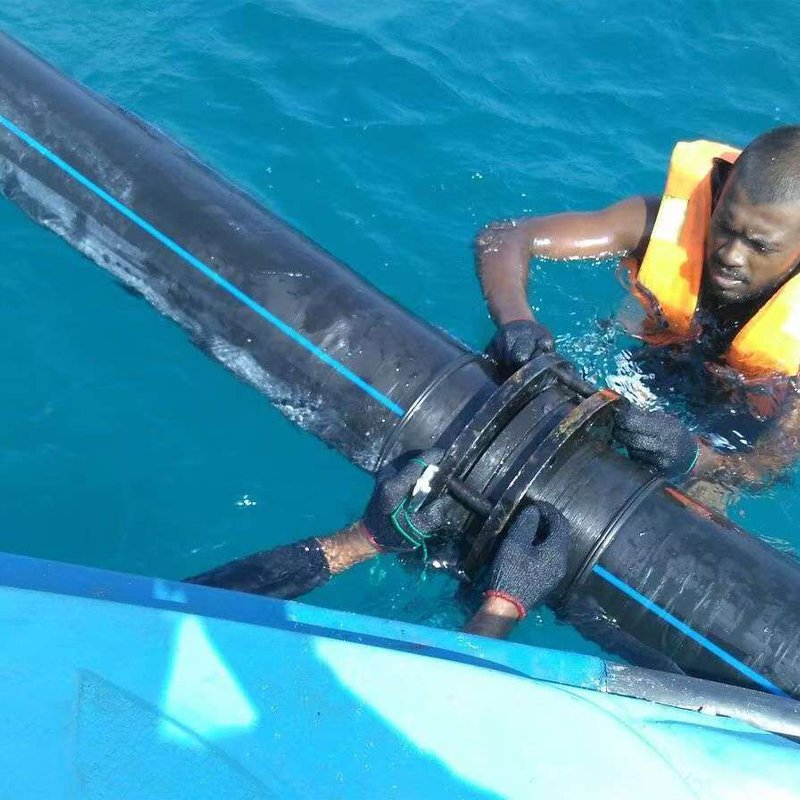
Safety first: For any maintenance work, especially water operations, always prioritize personnel safety, wear life jackets, and perform under safe conditions.