Applications of polyethylene floats” }undefined
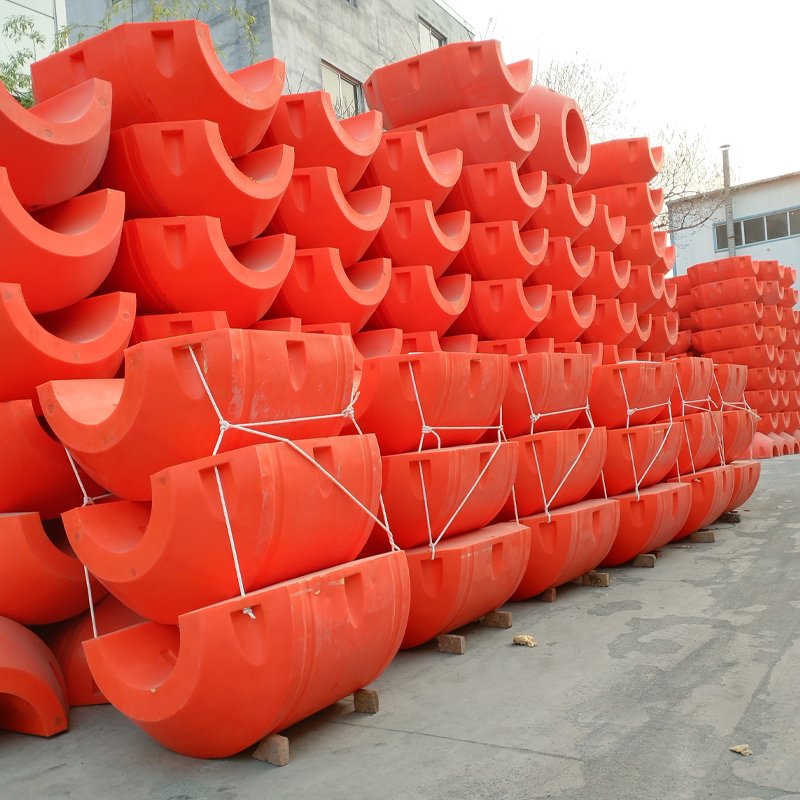
Good, polyethylene floating bodies, as a high-performance water-floating equipment, have a very wide range of applications. This is mainly due to the following characteristics of polyethylene (especially linear low-density polyethylene LLDPE produced by rotational molding):
• Strong corrosion resistance: Resistant to erosion by seawater, fresh water, chemicals, and oils, with a long service life.
• Good impact resistance: High toughness, able to withstand impacts from wind and waves and floating objects.
• Light weight and large buoyancy: Provide effective support and buoyancy.
• Non-polluting and environmentally friendly: The material is non-toxic and does not affect water quality.
• Low maintenance cost: Not prone to aging, no need for painting, basically maintenance-free.
• Can be customized in color and shape according to needs.
Below are the main application scenarios of polyethylene floating bodies, which can be divided into several categories:
1. Marine and Aquaculture
This is the largest and most core application area of polyethylene floating bodies.
• Aquaculture cages/fish rafts: As frame floats to support the entire marine or lake aquaculture cages for breeding fish, shrimp, shellfish, etc.
For example, deep-sea wind and wave-resistant cages.
• Aquaculture platforms: Form large management platforms for staff to walk, work, and store feed.
• Seedling floating rafts: Used for hanging cultivation of algae and shellfish such as kelp, laver, and oysters.
2. Water-based Entertainment and Tourism
• Floating docks/float bridges: Connecting the shore with boats or as landscape bridges. Common in yacht marinas, water parks, scenic lake areas, and waterside platforms. They are easy to install and dismantle, with high flexibility.
• Water platforms: Used to build water stages, observation platforms, swimming pools, fishing platforms, etc.
• Floating swimming pools: Safe swimming areas demarcated in natural water bodies.
• Water paths: Water corridors in parks and wetland protection areas, without affecting aquatic ecology.
3. Water Engineering and Environmental Protection
• Trash barriers/drift screens: Intercepting floating garbage, aquatic plants, and other debris at the inlet of rivers, reservoirs, and hydropower stations.
• Ecological floating islands/artificial floating islands: Providing platforms for plant growth to purify water quality, restore ecology, and create landscapes.
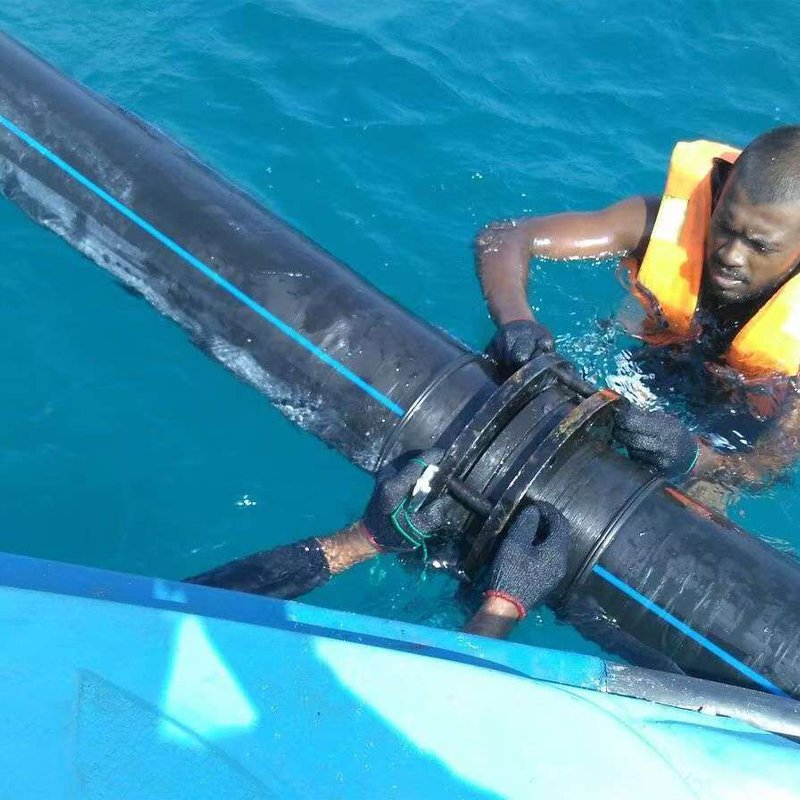
• Pipeline floats: Supporting and suspending pipelines above or below water, such as sand suction pipes, water supply pipes, and offshore oil pipelines.
• Navigational aids and warning buoys: Used for channel marking, division of water boundaries, and warning of underwater obstacles.
• Construction cofferdams: Demarcating areas and preventing the spread of pollutants during water construction.
4. Industrial and Special Applications
• Marine exploration and monitoring platforms: Supporting hydrological, water quality monitoring instruments, meteorological equipment, etc.
• Solar photovoltaic floats: In \”fishing-photovoltaic integration\” or \”floating photovoltaic\” power stations, used to float solar photovoltaic panels.
• Ship fenders/bumpers: Installed on piers or ship sides to buffer the impact force when ships dock, protecting the ship body and pier.
• Floating warehouses/storage tank floats: Providing buoyancy for some special floating storage facilities.
In summary, polyethylene floating bodies almost cover all occasions where stable, durable, and environmentally friendly support is needed on the water surface. From traditional industrial and agricultural applications (such as aquaculture and trash interception) to modern leisure tourism and new energy fields (such as floating docks and floating photovoltaics), they play an indispensable role. Its excellent comprehensive performance and reasonable cost make it one of the preferred materials for current water-floating solutions.”
}undefined