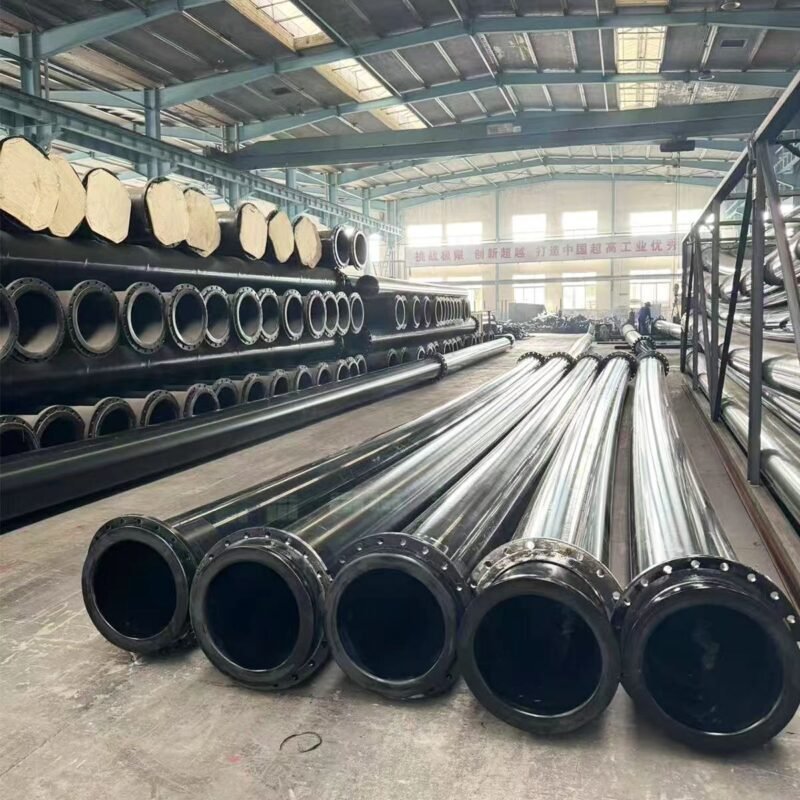
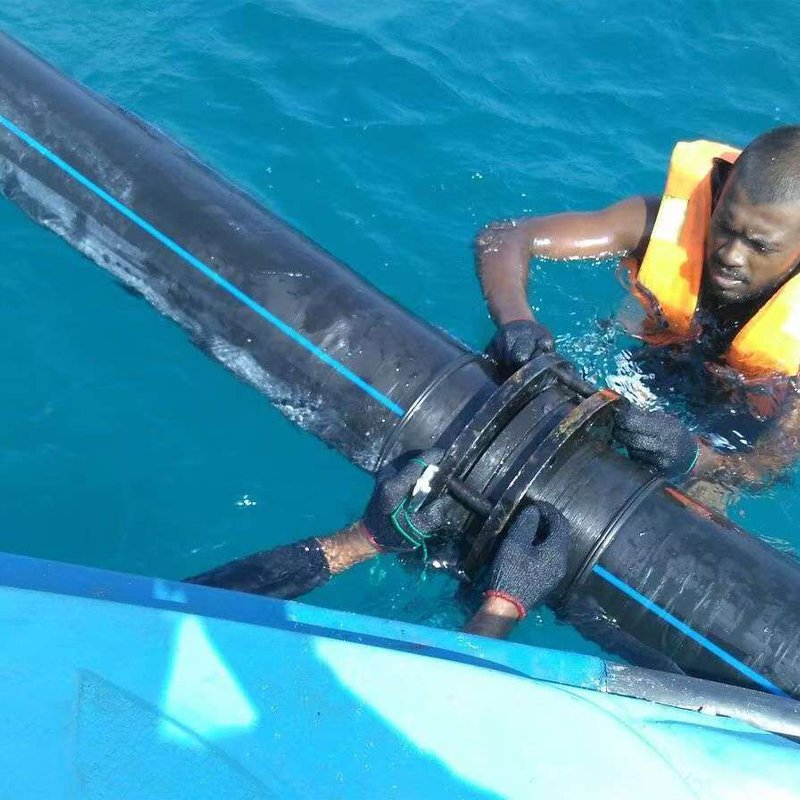
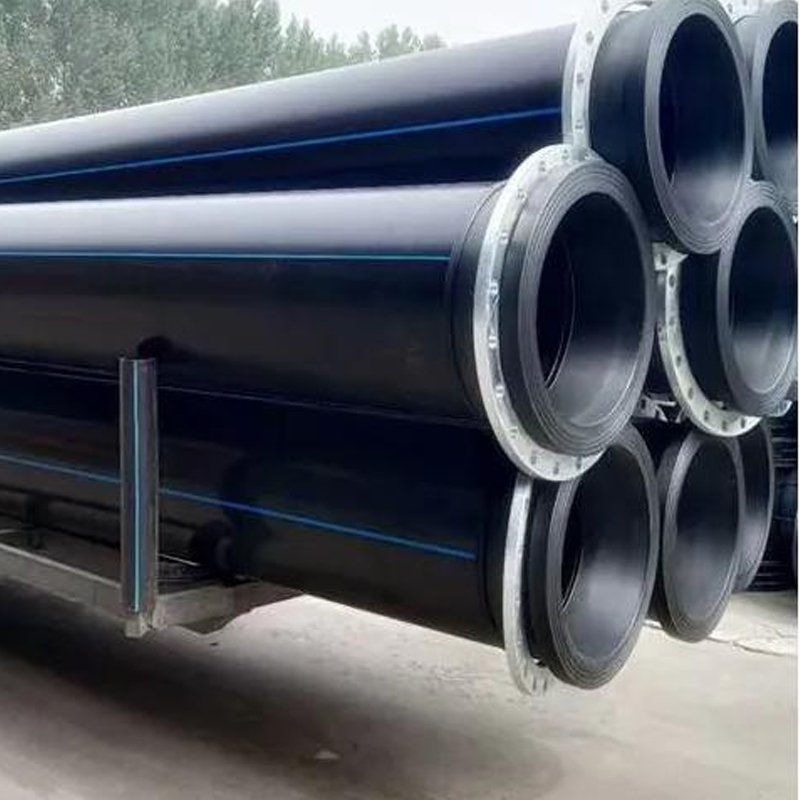
Applications of cable floats
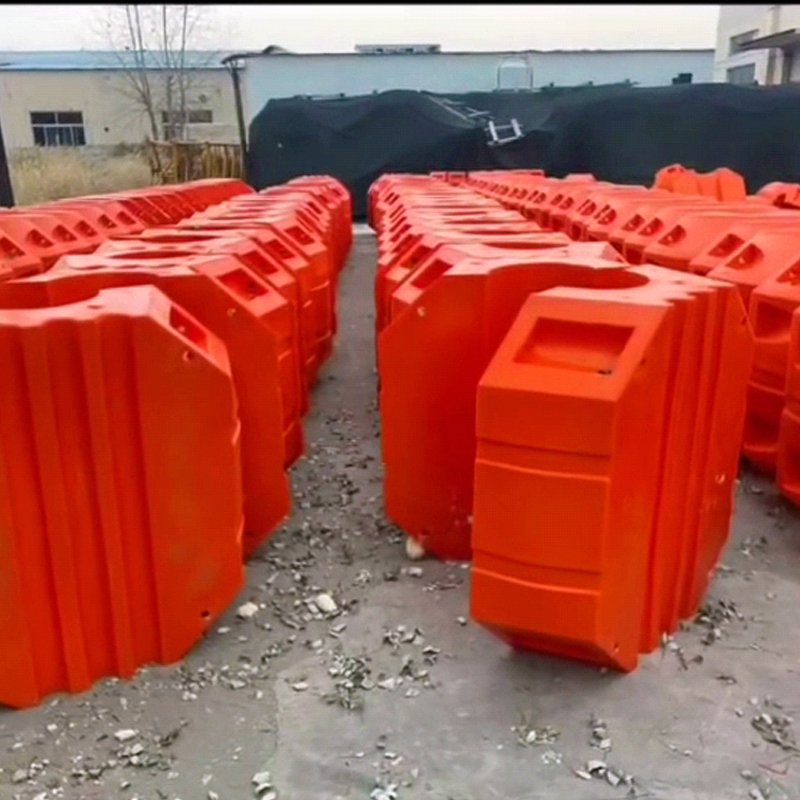
A cable float is a device specially designed to support, suspend, and protect cables, water pipes, or pipelines on the water surface. They are typically hollow, high-buoyancy cylindrical or cylindrical structures made of corrosion-resistant, anti-aging, and impact-resistant materials such as high-density polyethylene (HDPE) and polyurethane.
Here are the main application scenarios of cable floats, covering multiple industries and fields.
1. Water-based clean energy and power generation projects
This is currently the main and fastest-growing application area for cable floats.
• Floating photovoltaic power stations (water-based PV): This is the most typical application. A large number of solar panels float on the water surface, and the electricity generated needs to be collected and transmitted to the shore through cables. Cable floats are used to suspend and support these power cables, preventing them from sinking to the bottom of the water, avoiding wear, corrosion, or entanglement by aquatic organisms, while facilitating maintenance.
• Offshore wind power: Especially floating offshore wind power, from floating platforms to submarine cables, as well as interconnection cables between platforms, all require cable floats to provide transition support to prevent cables from excessive bending or damage under dynamic sea conditions.
2. Marine engineering and aquaculture
• Deep-sea cage farming: In large marine ranches or deep-sea cages, cables used to connect feeders, aerators, underwater monitoring equipment, lighting, etc., need floatation support to suspend them in specific water layers, avoiding interference with ship navigation and farming operations.
• Water-based work platforms and floating piers: Cables and pipelines for power and water supply to platforms or piers need floats at the part connected to the shore to adapt to tidal changes and water level fluctuations.
• Dredging engineering: In dredging operations, slurry discharge pipes need floatation support to float on the water surface, conveying sediment to designated areas.
3. Environmental monitoring and scientific research
• Water quality monitoring buoys/stations: Cables used to suspend underwater sensors that monitor various parameters such as water temperature, pH value, dissolved oxygen, and nutrients. Floats ensure that sensors remain at the predetermined depth and protect the cables.
• Marine hydrological observation: Similarly, cables used to support observation equipment for marine waves, tides, currents, etc.
• Underwater robot (ROV) operations: Umbilical cables of ROVs (providing power and signal transmission) sometimes use floats to reduce drag in water or maintain neutral buoyancy in complex terrains.
4. Industrial and municipal fields
• Temporary power/water supply for water-based construction: In water-based construction projects such as bridge construction, river management, and pier building, temporary power and water supply for construction equipment are needed, and cable floats and pipeline floats are ideal solutions.
• Water intake projects in rivers and lakes: When drawing water from the center of a lake or reservoir, pipelines connecting the water intake head and the shore pump room may need floatation support.
• Tailings ponds/sedimentation tanks: In large sedimentation tanks in mining or wastewater treatment plants, pipelines used for suspending slurry extraction.
5. Leisure entertainment and temporary events
• Temporary events such as water parks and music festivals: Providing temporary power for water-based lighting, sound systems, fountains, etc., cable floats can be quickly deployed and are safe and reliable.
• Landscape projects such as floating swimming pools and floating fountains.
Summary of core advantages of cable floats:
• Protect cables/pipelines: Avoid direct contact with rough seabeds, rocks, debris, etc., reducing risks of wear and pressure damage.
• Adapt to water level changes: Can automatically adjust with rising and falling water levels to keep cables in the optimal suspended state.
• Facilitate installation and maintenance: Modular design, easy to install, and convenient for inspection and replacement.
• Strong durability: Materials are resistant to ultraviolet radiation, corrosion, and impact, with a long service life.
• Environmentally friendly and safe: Usually made of environmentally friendly materials, causing no pollution to water bodies.
In short, any application scenario that requires the safe, reliable, and durable deployment and support of cables, pipes, or hoses on the water surface is where cable floats come into play. With the rapid development of clean energy such as floating photovoltaics on water, its application prospects will be even broader.