Application scenarios of dredging rubber hose pipelines

Dredging rubber slurry discharge hoses are large industrial rubber hoses specifically used for conveying media such as slurry and gravel. Thanks to their wear-resistant, pressure-resistant, and flexible properties, they play an important role in multiple fields that require efficient material transportation. The following table summarizes their main application scenarios and core functions:
Summary and Application Scenarios
You can imagine it as the ‘joints’ in the ‘blood vessels’ of dredging engineering. Without this flexible ‘joint’, the entire system would become rigid and fragile, unable to cope with dynamic working environments, and prone to leakage, breakage, or equipment damage.
It is mainly applied in the following locations:
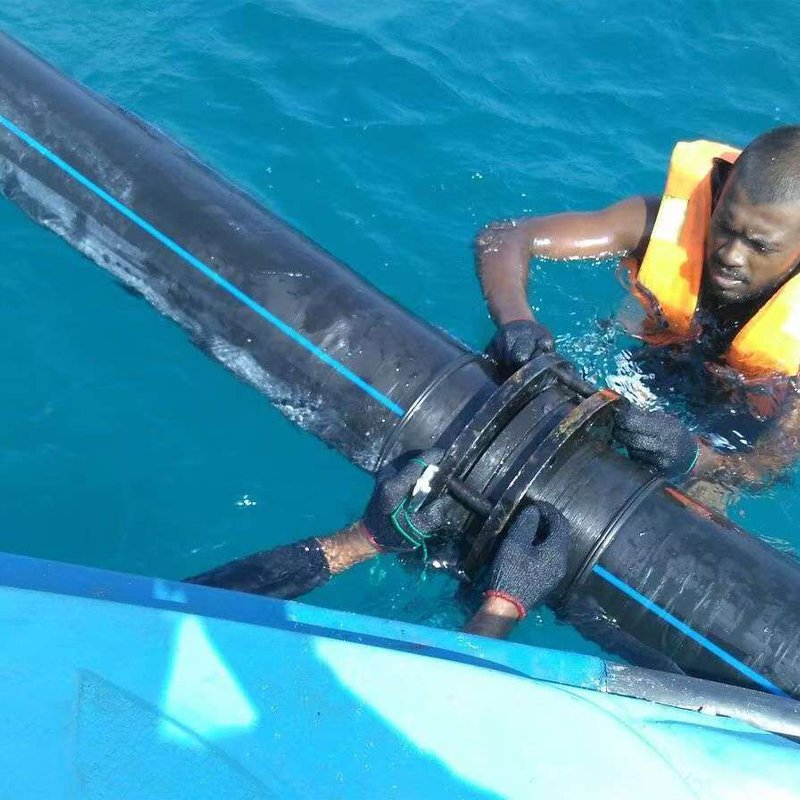
1. Stern Discharge Pipe: Connecting the pump body of the dredger with the on-water or underwater slurry conveying pipeline, which is the most typical application location.
2. Intermediate Connecting Pipe: Used in long-distance slurry conveying pipelines to connect segments of rigid steel pipes, especially near floats or areas requiring movement.
3. Underwater Suction Head Connecting Pipe: Connecting the suction head of the dredger with the rigid suction pipe, adapting to changes in underwater terrain and ship movement.
4. Shore Connecting Pipe: Connecting the last section of the on-water pipeline with the fixed pipeline on shore, compensating for tidal and water level changes.
Water Conservancy and Port Engineering
Port expansion, channel dredging, and land reclamation for artificial islands (such as the Caofeidian and Tianjin Port projects)
Transporting sediment to form land areas and ensuring channel depth
River and lake management
Channel widening, reservoir dredging, and lake ecological restoration
Clear silt, expand reservoir capacity, and improve water quality
Mining and Industry
Coal mine and metal mine tailings transportation; sludge and wastewater discharge from factories and mines
Transporting pulp tailings, discharging industrial wastewater and slurry
💡 Different Types of Rubber Suction Hoses and Their Characteristics
To meet the needs of different scenarios, dredging rubber slurry discharge hoses have developed various types with innovations in their core structures:
• Self-floating Rubber Discharge Hoses: These hoses are equipped with internal buoyancy materials or connected to floating bodies , allowing the slurry discharge pipes to float on the water surface. They do not interfere with normal ship navigation and are particularly suitable for construction in busy ports and navigable channels . Studies show that they have good stability and wave resistance, enabling basically continuous construction .
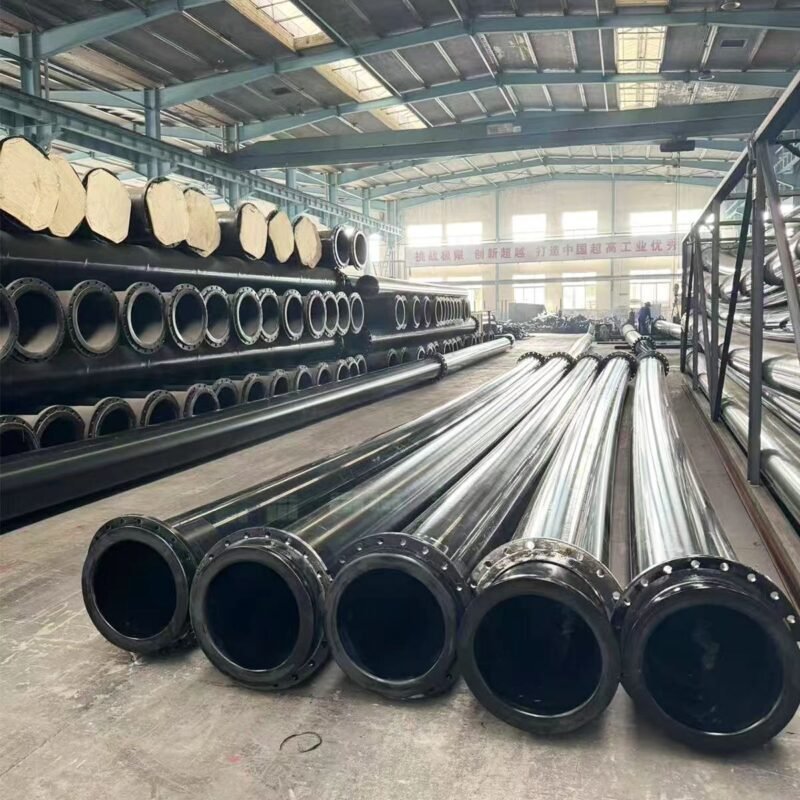
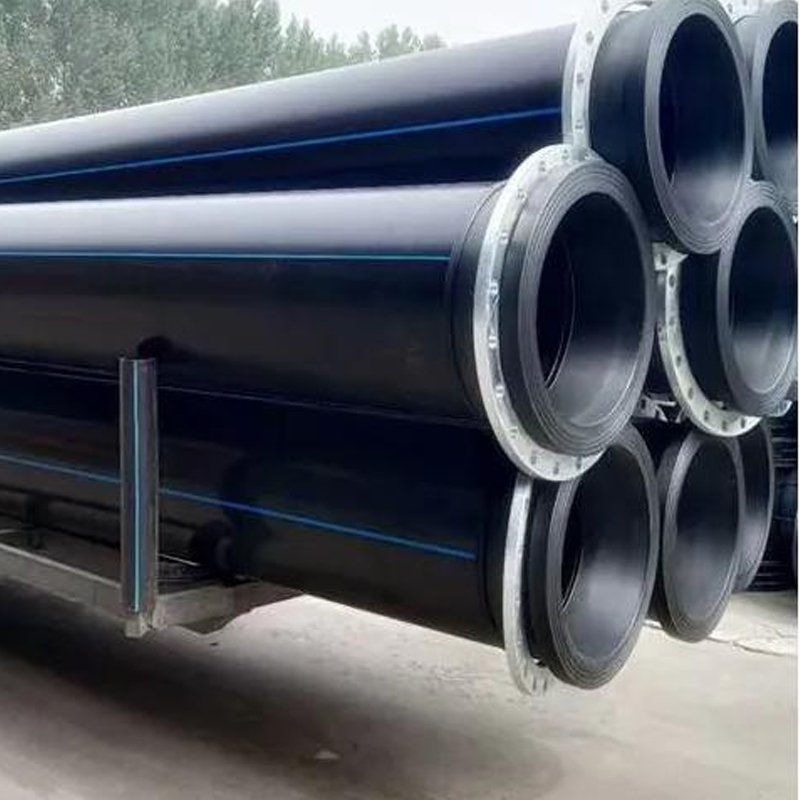
• Flanged Rubber Discharge Hoses: Achieve quick and secure connections through pre-installed steel flanges or flexible flanges .
◦ Steel Flanged Type: High strength, wear-resistant and flexible, easy to install, safe and reliable, specifically used for slurry discharge operations of dredgers .
◦ Flexible Flanged Type: Adopt a design with anti-disengagement short tubes and movable flanges, solving the problems of misalignment and twisting in traditional pipeline connections, thus extending service life .
• Reinforced Rubber Discharge Hoses: Significantly enhance the hose body’s pressure-bearing capacity and tensile strength by adding steel wire spiral layers, fabric interlaced layers, or steel cord layers , suitable for scenarios involving the transportation of high-pressure and highly abrasive media.
How to Select and Maintain
When choosing and using dredging rubber discharge pipes, there are several key points to pay attention to:
• Pay attention to industry standards:
The production of rubber hoses for dredging projects in China follows the industry standard HG/T 2490-2011. This standard stipulates the materials, structure, dimensions, technical requirements, and test methods for steel wire or fabric-reinforced rubber hoses with nominal diameters between 100mm and 1300mm. Purchasing products that meet national standards is a basic guarantee for quality and safety.
• Key selection parameters: The inner diameter, working pressure, wear resistance, temperature range (usually -20°C to +50°C), and connection method of the pipeline need to be determined according to the actual working conditions.
• Pay attention to installation and maintenance: Pipeline layout should be as streamlined as possible with bends, and fixed with floating pipe anchors at regular intervals (such as every 100 meters) if necessary, to cope with loads such as water flow. Regularly check the wear condition of the pipe body, especially at the elbow and joint parts, and replace damaged parts in time to effectively prevent failures and extend the overall service life.
It is hoped that the above information can help you have a comprehensive understanding of dredging rubber sludge pipes. If you can inform me of more specific types of projects or working conditions, I may be able to provide more targeted suggestions.