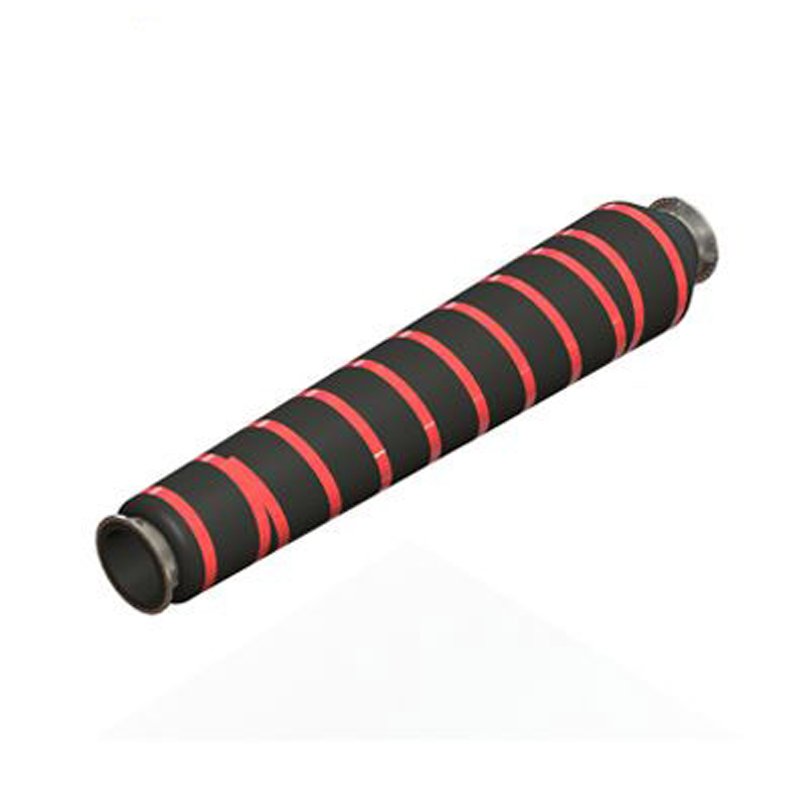
Application Of The Tapered Floating Hose
Summary and applicable scenarios:
Characteristics, advantages, disadvantages,
performance
– Good flexibility, good alignment, impact resistance, vibration damping, wear resistance, corrosion resistance. Limited pressure capacity, risk of aging and wear.
Operation
– Quick installation and disassembly, lightweight, easy to move. Requires precision in installation and torque.
Economy
– Potential lower lifecycle maintenance costs. Higher initial procurement cost.
Applicable scenarios:
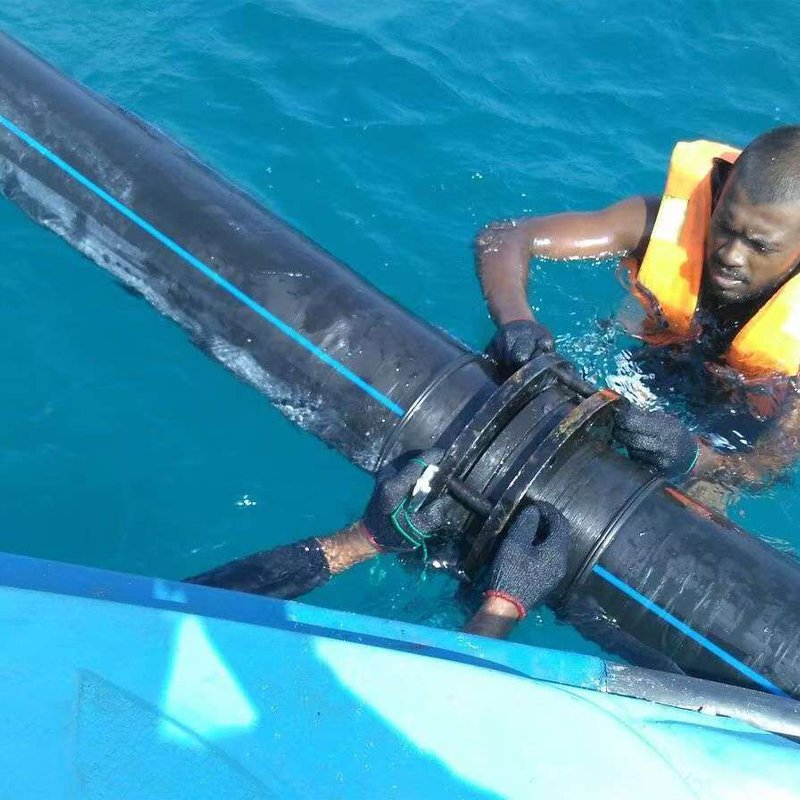
Rubber hose flange connections are preferred for most conventional dredging projects, especially in: floating mud discharge pipelines, projects requiring frequent movement and reconfiguration, connecting dredgers to underwater or above-water pipelines, conveying abrasive materials.
Inapplicable scenarios:
Ultra-deep sea dredging with extreme pressure requirements, situations with extremely limited space where flange connections cannot be accommodated, small projects with very limited budgets and mild operating conditions.
In summary, the advantages of rubber hose flanges for dredging are significant, offering flexibility, durability, and ease of use, making them standard in modern dredging industries. The higher initial cost is often offset by longer lifespan, lower maintenance costs, and higher operational efficiency.