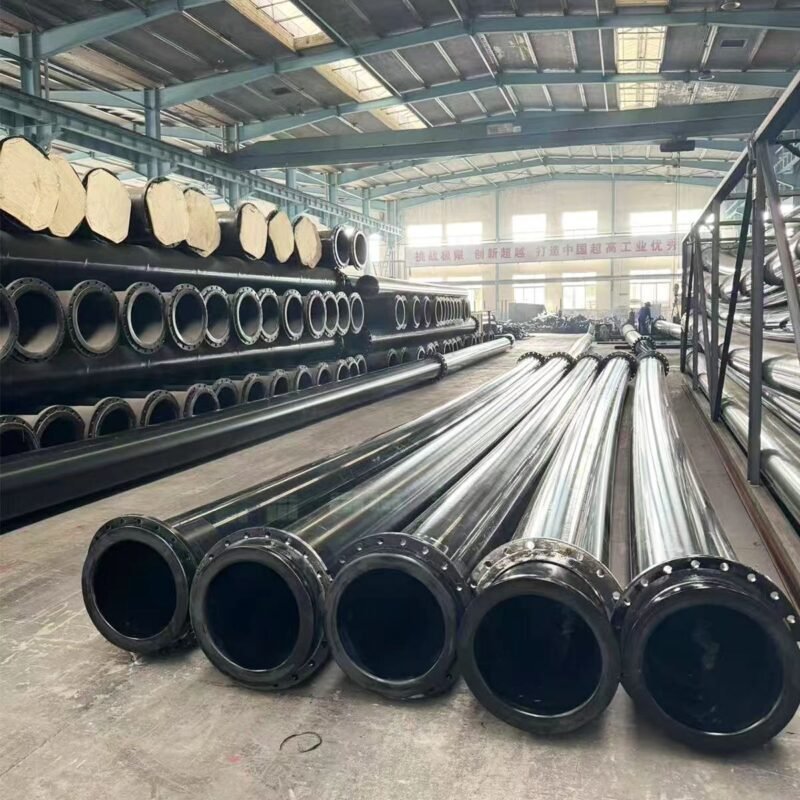
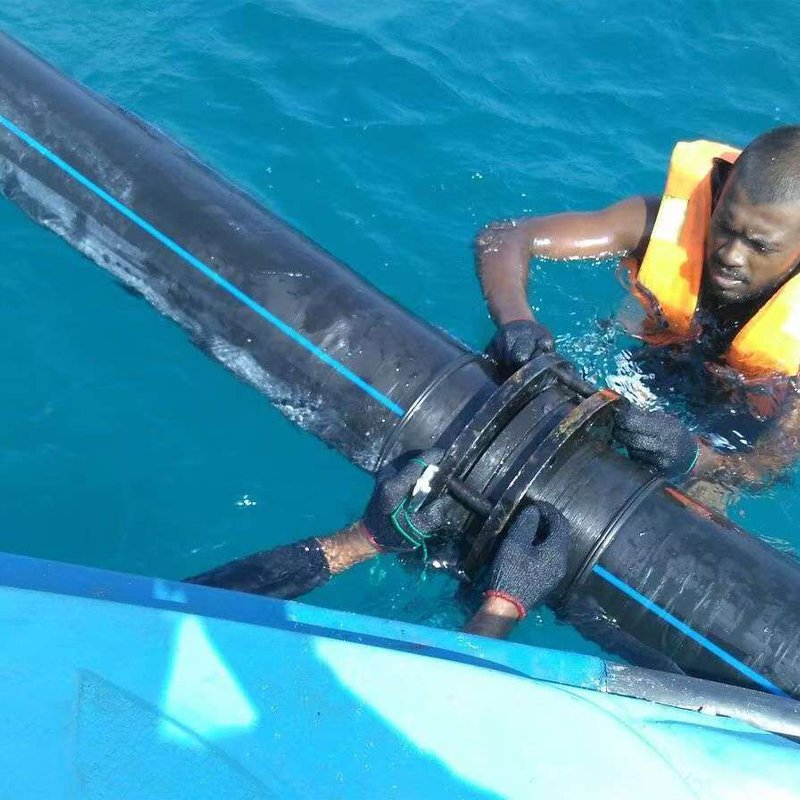
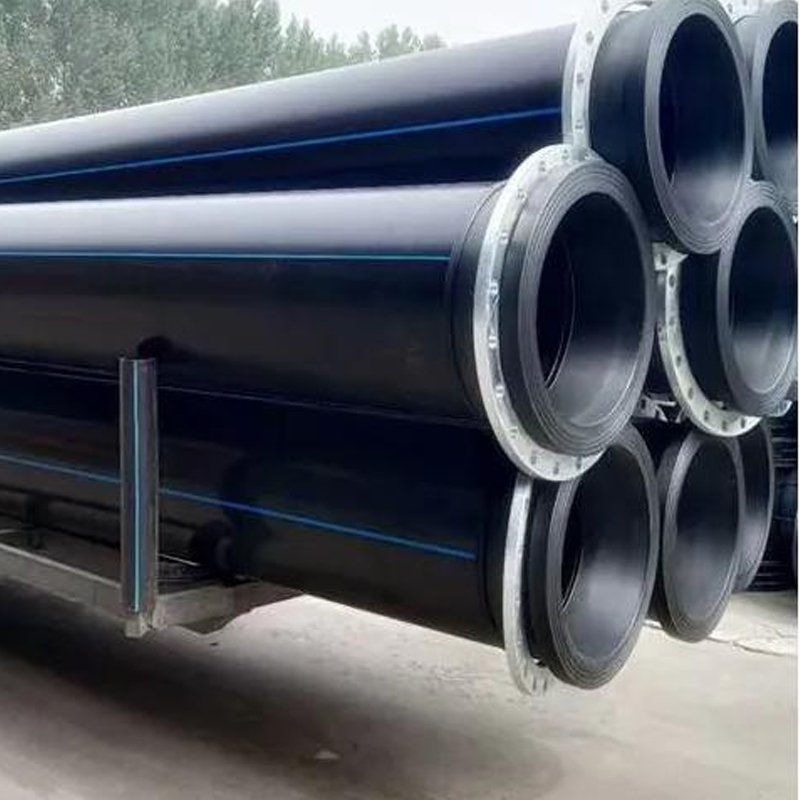
Application advise of steel flange suction pipe
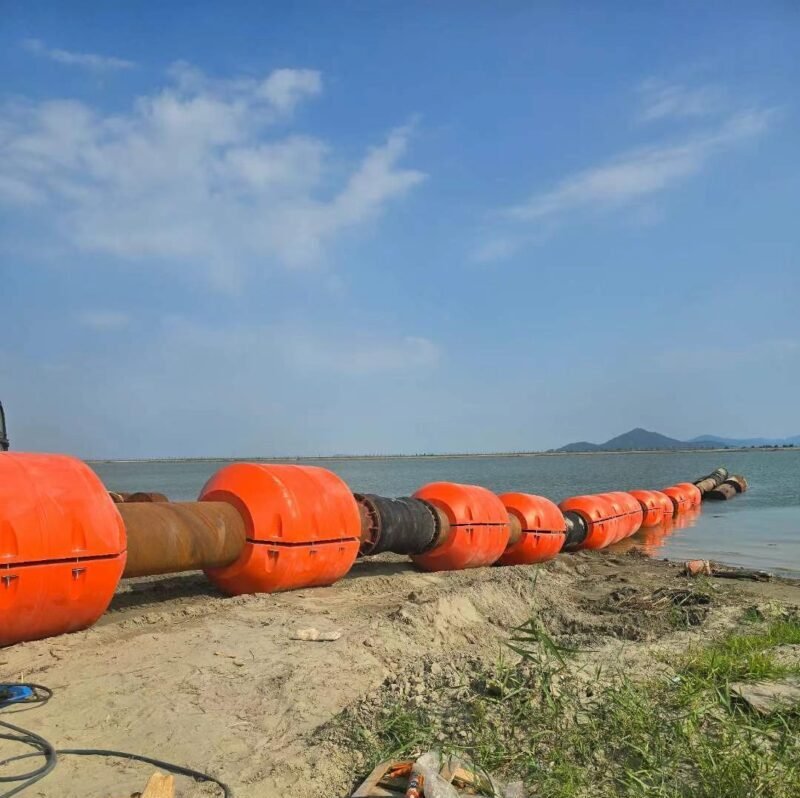
Summary and Comparison: Characteristics of Steel Flange Suction Pipe vs. HDPE Suction Pipe (Reference for Comparison)
Strength/Stiffness: Extremely high, resistant to external pressure; Lower, need to pay attention to pressure resistance and deformation.
Durability: Long (dependent on anti-corrosion); Long (material itself is corrosion-resistant).
Weight: Very heavy, requires mechanical installation; Very light, can be installed by hand.
Cost: Higher initial investment; Lower initial investment.
Connection Method: Flange connection, detachable; Hot melt connection, permanent.
Maintainability: Excellent, can replace sections; Poor, needs cutting and welding.
Corrosion Resistance: Good (dependent on external coating); Excellent (material itself is corrosion-resistant).
Inner Wall Smoothness: Lower, slight resistance; Extremely high, good hydraulic performance.
Application Recommendations:
Prioritize steel flange suction pipe in the following situations:
◦ High requirements for pipeline strength and stability (e.g., deep underground, heavy load road above).
◦ Frequent maintenance or possible replacement of pipe sections.
◦ High working pressure or vacuum conditions.
◦ Project budget is sufficient, more emphasis on long-term structural reliability and maintainability.
Consider other materials (such as HDPE) in the following situations:
◦ Projects sensitive to cost.
◦ Lack of large lifting equipment on site, or narrow installation space.
◦ Extremely high requirements for hydraulic efficiency in long-distance transportation.
◦ Projects that particularly emphasize quick installation.
In summary, steel flange suction pipe is a traditional solution with core advantages of high reliability, high strength, and high maintainability. Its disadvantages mainly lie in weight, cost, and dependence on anti-corrosion. When choosing, the specific project needs, budget, and operation and maintenance plan should be comprehensively considered.