Analysis of the Properties of Polyurethane Filler in Floating Bodies
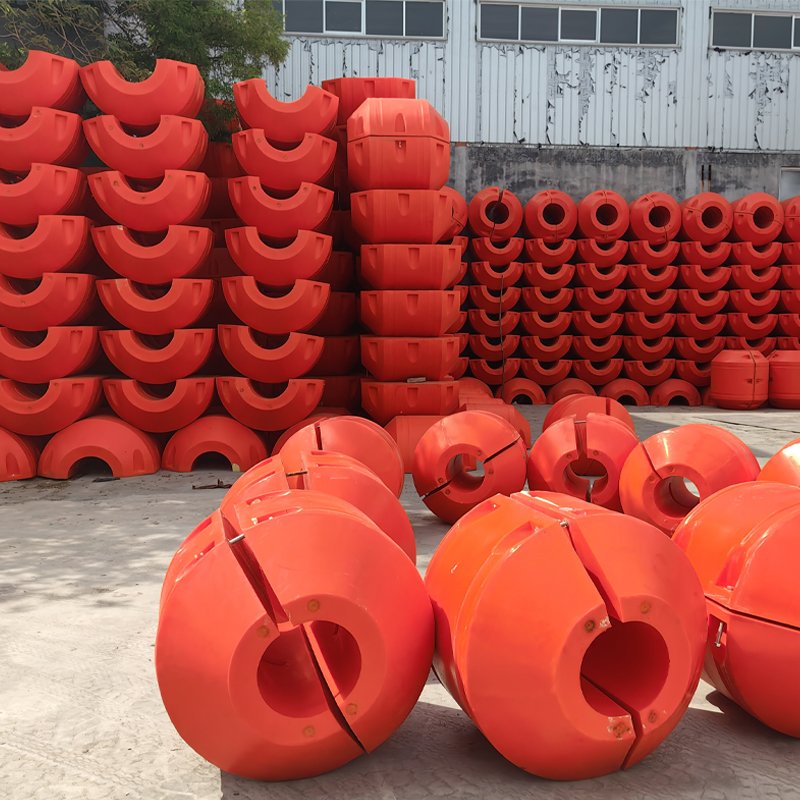
Filling the float with polyurethane foam is a widely used technology in fields such as ship protection and dredging pipelines. It cleverly combines the inherent high buoyancy and corrosion resistance of polyurethane materials with the protective function of the external shell (usually polyethylene or steel), ultimately forming a high-performance floating product.
The following table summarizes the core characteristics and application overview of polyurethane as a filling material for floats.
Material Composition:
Shell Material: Typically high/medium density polyethylene (HDPE/MDPE), steel, or PDCPD composite material .
Internal Filling: Closed-cell structure polyurethane rigid foam plastic
⚖️ Core Physical Performance
Buoyancy and Load-bearing Capacity: It has high net buoyancy, with some products achieving over 350kg of buoyancy per square meter .
Weight: It is lightweight, facilitating installation and transportation .
Stability: The structure is filled internally, so even if there is local damage, seawater cannot enter in large quantities, allowing it to continue to be used, thus maintaining high stability .
🛡️ Durability and Environmental Adaptability
Corrosion Resistance: Not eroded by seawater, chemicals, agents, oil stains, and aquatic organisms .
Weather Resistance and Impact Resistance: Resistant to ultraviolet rays and oxidation, able to withstand wind and wave impacts and low-temperature invasions. The operating temperature range of some products can reach -60°C to 80°C .
Service Life: Usually 10-15 years, and basically requires no maintenance during this period -1-8.
Main Application Fields:
Ship Fenders: Used as solid polyurethane fenders (bumpers) to protect ships and port wharves .
Pipeline Floats: Provide buoyancy for underwater sludge discharge pipes, sand suction pipes, etc., and are a key component in dredging projects .
💡 Selection and Usage Notes
After understanding the basic properties of polyurethane floats, there are some key points to keep in mind during actual selection and use:
• Pay attention to specific density and closed-cell rate: The density and closed-cell rate of polyurethane foam directly determine the buoyancy, water absorption rate, and ultimate service life of the float. When selecting, you should clearly specify these specific parameters to the supplier. For example, some patents mention ultra-low density foams as low as 14 kilograms per cubic meter.
• Understand the advantages of ‘solid’ and ‘maintenance-free’: Compared with traditional inflatable fenders, polyurethane-filled solid fenders have no risk of leakage or bursting, are not afraid of scratches and friction, and therefore possess the core advantages of being maintenance-free and highly safe.
• Note the matching of outer shell materials: Polyurethane foam usually needs to work together with an external shell. The quality and UV resistance of the outer shell material (such as HDPE) are also crucial. New types of outer shell materials such as PDCPD composites have also emerged, which can provide better impact resistance and low-temperature performance.
• Application scenario expansion: In addition to common fenders and pipe floats, this technology is also used to make floating buoys on water, and even applied to high-end fields such as water recovery balloons for spacecraft return capsules.
I hope this comprehensive analysis helps you better understand the filling material of polyurethane floats. If you can share specific application scenarios (for example, whether it is used for ship fenders or engineering pipelines), perhaps I can provide more targeted information. 10 web pages