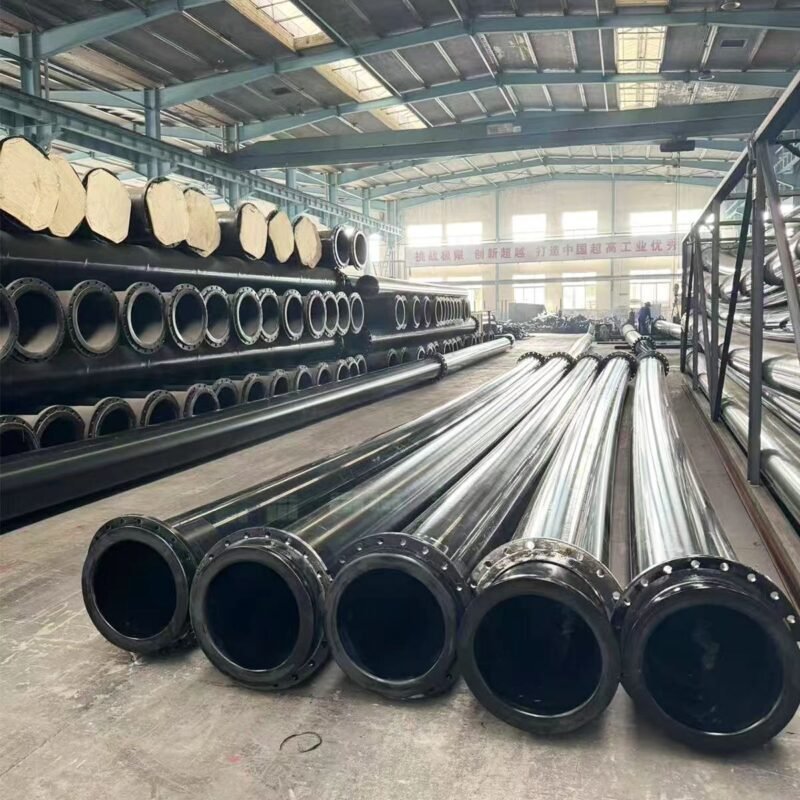
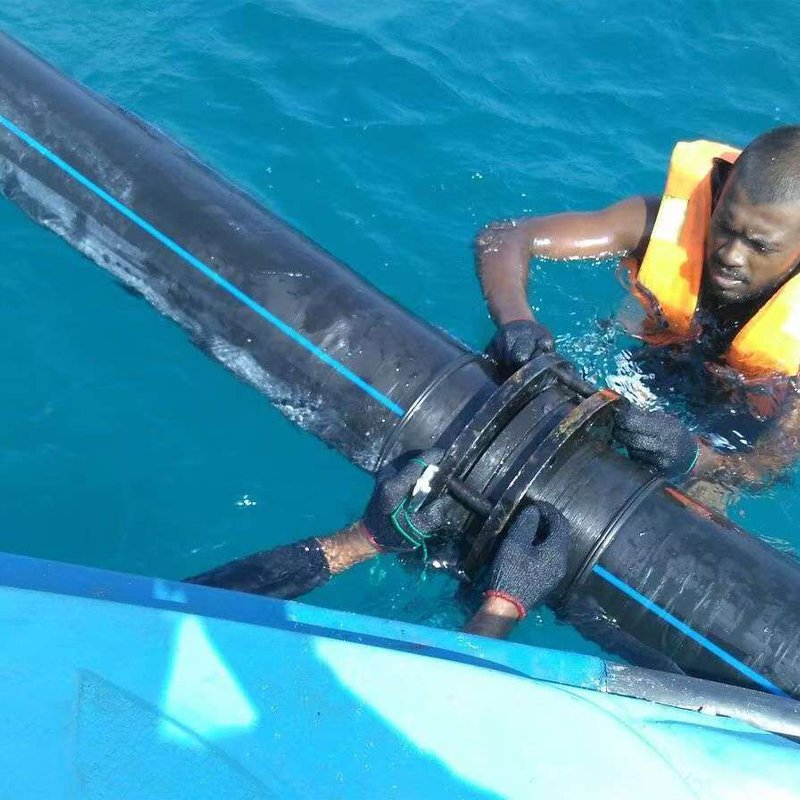
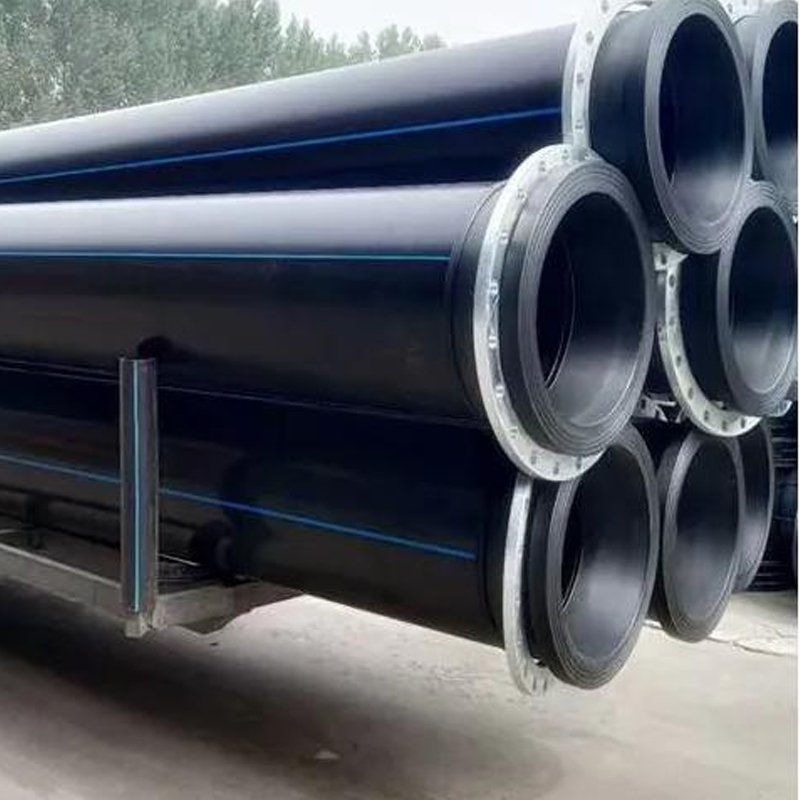
Analysis of the Outer Rubber Layer Properties of Slope Rubber Hoses
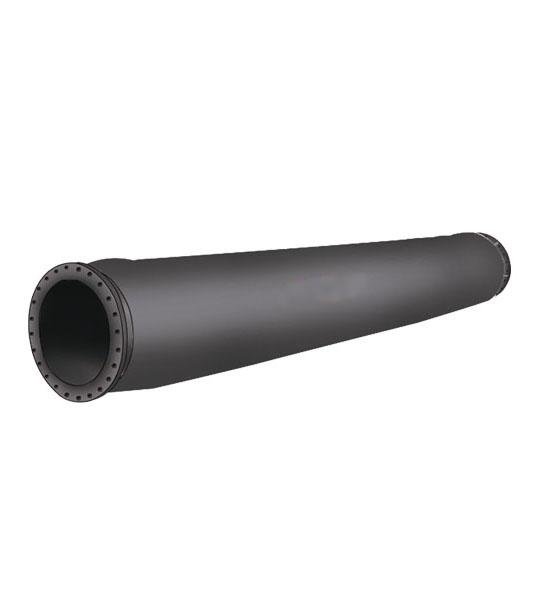
Core Characteristics and Functions of the Outer Rubber Layer
Unlike the inner rubber layer, which is mainly responsible for withstanding material impact and wear, the outer rubber layer is primarily exposed to external environments and mechanical stresses. Its design objectives include:
1. Excellent Abrasion Resistance: This is the most important performance of the outer rubber layer. Rubber hoses continuously rub against conveyor belts, supports, rollers, or other structural components during operation, especially in \”incline\” or bending sections.
2. High Strength and Tear Resistance: To prevent scratches, tears from sharp objects, or damage during installation and operation.
3. Environmental Resistance:
• Weather Aging Resistance: Resists ultraviolet rays, ozone, rain, snow, etc., to prevent cracking and hardening.
• Temperature Resistance: Adapts to temperature variations in the working environment (typically between -30°C and +80°C; special formulations can be higher).
• Oil and Chemical Resistance: In certain industrial environments, it may come into contact with oil or chemical media.
4. Flexibility and Fatigue Resistance: Able to withstand continuous dynamic bending and vibration without cracking.
5. Good Surface Properties: Smooth surface or specific patterns to reduce friction resistance with conveyor belts while facilitating cleaning.
Common Material Compositions
The outer rubber layer typically uses a combination of various rubbers or modified rubbers to achieve a balanced overall performance. Common main materials include:
• Natural Rubber (NR) blended with Butadiene Rubber (BR): Provides good elasticity and abrasion resistance with high cost-effectiveness.
• Styrene-Butadiene Rubber (SBR): Excellent abrasion resistance, commonly used as one of the main components.
• Chlorinated Isobutylene Rubber (CIIR) or Brominated Isobutylene Rubber (BIIR): Used in applications requiring higher weather resistance, ozone resistance, and flame retardancy.
• Ethylene Propylene Diene Monomer (EPDM): Excellent weather resistance, ozone resistance, and temperature resistance, often used in outdoor or harsh environments. It is currently the mainstream and high-performance choice.
• Reinforcing Agents: Such as carbon black (N330, N550, etc.), which significantly improves abrasion resistance, tear resistance, and tensile strength.
• Antioxidant Systems: Addition of antioxidants and antiozonants to extend service life.
• Flame Retardants: For applications with flame retardancy requirements in coal mines, power plants, etc., the outer rubber layer must meet corresponding flame retardancy standards (e.g., rubber material flame retardancy requirements in MT/T 98 standard).
Key Considerations When Purchasing
1. Application Environment:
• Indoor/Outdoor: EPDM or other weather-resistant rubbers are preferred for outdoor use.
• Temperature Range: Confirm its upper and lower temperature limits.
• Media Contact: Whether there is oil or chemical splashing.
2. Abrasion Index: Ask suppliers for test data on Akron abrasion or DIN abrasion values; the smaller the value, the more wear-resistant it is.
3. Physical and Mechanical Properties:
• Tensile Strength: Usually should be ≥10 MPa.
• Elongation at Break: Reflects elasticity and should not be too low.
• Tear Strength: The higher, the better, indicating strong damage resistance.
4. Flame Retardancy and Anti-Static Requirements: Critical in mining, grain processing, and other industries; relevant certification reports should be checked.
5. Appearance and Craftsmanship: The surface should be smooth, flat, free of bubbles, impurities, and with uniform thickness. High-quality products have a firmly bonded outer rubber layer to the internal fabric or steel wire reinforcement layer, with no delamination risk.
Maintenance and FAQ
• Regular Inspection: Check for severe wear (exposing the reinforcement layer), longitudinal/transverse cracks, localized bulges, or delamination on the outer rubber layer. These are the main signals for replacement.
• Cleaning: Promptly clean materials adhering to the pipe wall to prevent localized corrosion and uneven wear.
• Avoid Improper Operation: Avoid direct friction with sharp metal edges to prevent human-caused cuts.
• Failure Warning: If the outer rubber layer shows large-scale hardening, brittleness (aging), or an abnormally accelerated wear rate, it can no longer effectively protect the pipe body and should be replaced immediately
Summary
The outer rubber layer of the climbing rubber hose is the first line of defense against external wear and environmental impacts. A high-quality outer rubber layer should possess comprehensive properties such as super wear resistance, tear resistance, weather resistance, and flexibility. When selecting, choosing the appropriate rubber material based on specific operating conditions (especially considering EPDM for outdoor use) and paying attention to key performance data and process quality is crucial to ensuring the long-term stable operation of the conveying system and reducing maintenance costs.
If you can provide more specific operating conditions (such as usage location, conveyed materials, environmental characteristics, etc.), I can offer you more targeted advice.