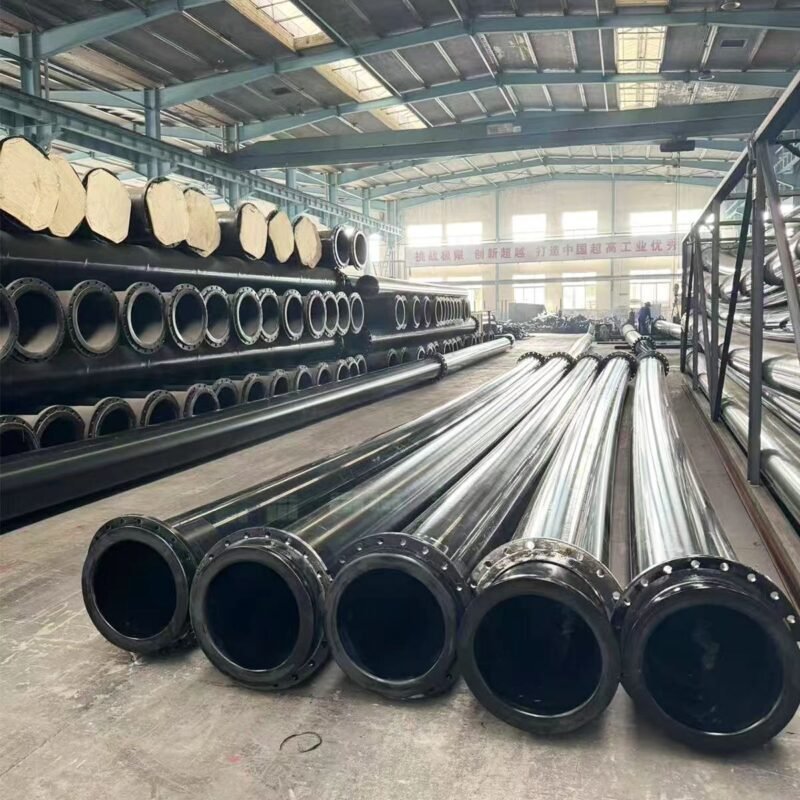
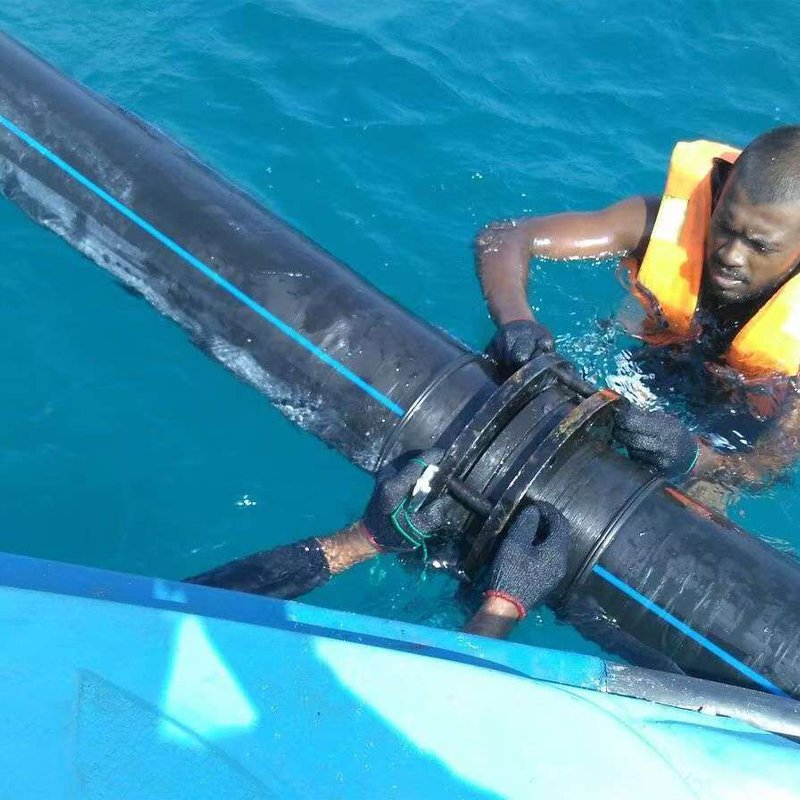
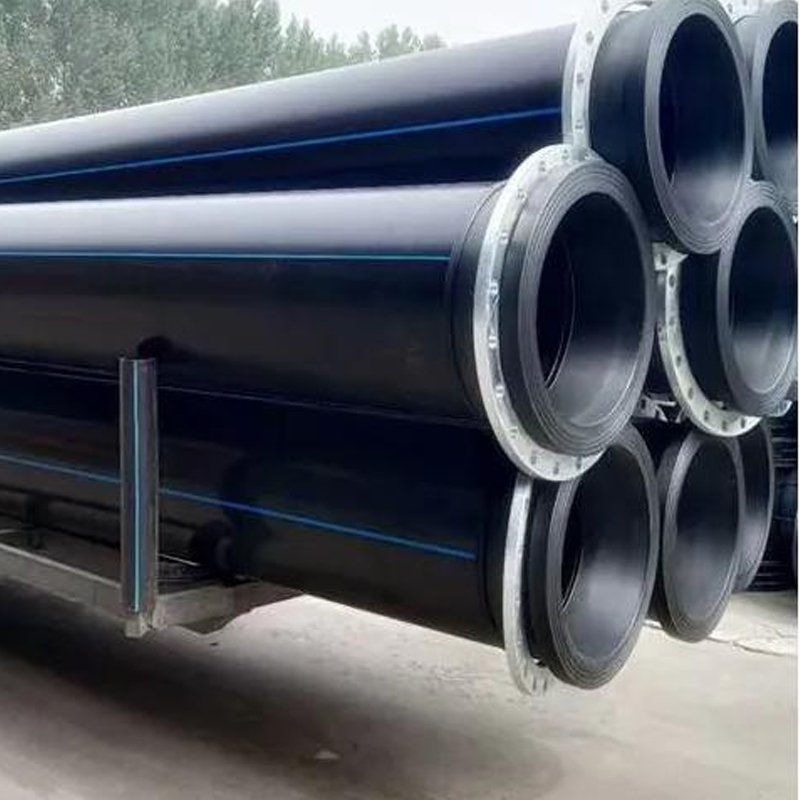
Analysis of the Function and Application of Dredging Rubber Short Couplings
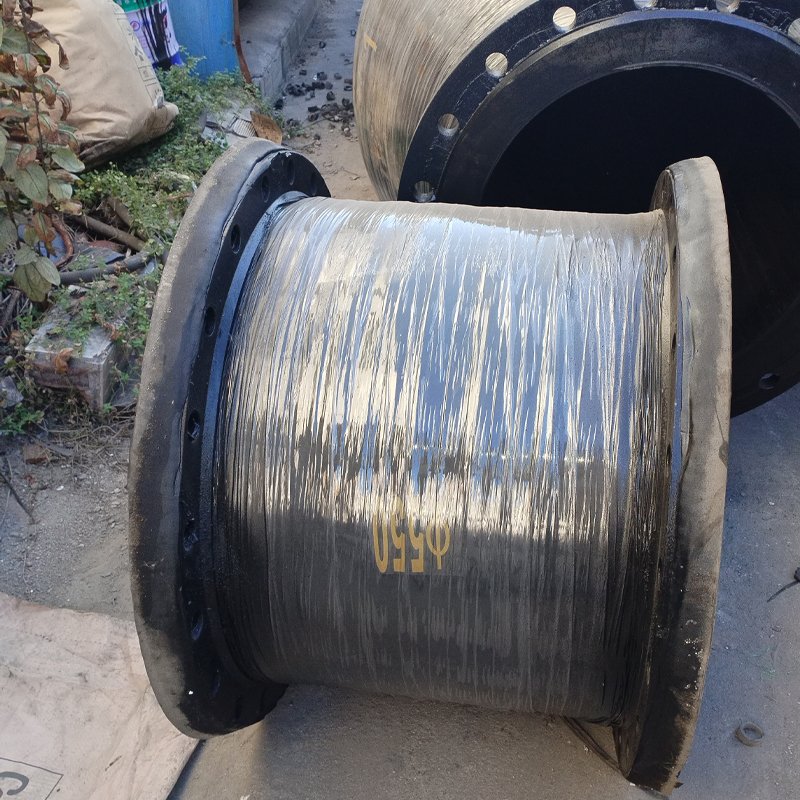
Dredging rubber short joints are a seemingly simple yet crucial component in dredging projects. To help you quickly understand their core functions, the following table provides a clear overview:
Main Function | Specific Description
— | —
Flexible Connection and Displacement Compensation | As a flexible link in the pipeline system, it can effectively compensate for axial, lateral, and angular displacement and vibration of the pipeline caused by waves, water flow, and temperature changes.
Adaptation to Complex Working Conditions | It can withstand large bending angles (e.g., maximum 90°) and is suitable for critical locations such as pipeline slope change points and ship-shore connection points.
Abrasion Resistance and Pressure Resistance | With a multi-layer structure (such as inner rubber layer, skeleton layer, outer rubber layer) and embedded spiral steel wire or cord fabric reinforcement layer, it combines abrasion resistance and pressure resistance capabilities.
Simplified Installation and Maintenance | Compared with rigid metal pipe connections, rubber short joints are lighter in weight, easier to handle and install-1. Some designs (such as split flange type) reduce the difficulty of pipeline assembly or replacement.
💡 Gain In-depth Understanding of Core Technologies and Applications
In addition to the basic functions listed in the table, rubber short connectors also have several key features and application scenarios worth your attention:
• Structure and Materials: Dredging rubber short connectors typically adopt a multi-layer composite structure. The inner rubber layer is made of wear-resistant natural rubber (NR) or synthetic rubber; the skeleton layer uses high-strength steel wire or fabric to withstand working pressure; some products also embed spiral steel wires or wear-resistant steel rings to further enhance pressure resistance and anti-deformation capability .
• Special Design Types: To meet different engineering needs, various specially designed rubber short connectors have been developed:
◦ **Slope-Adapted Hose**: Specifically designed for positions with large-angle bends, serving as a transition connection between floating pipes and underwater pipes, or between floating pipes and shore pipes .
◦ Flanged Type with Flexible Flange: Through the design of flexible flanges and anti-detachment short tubes, it solves the problems of easy misalignment and twisting of traditional pipelines, extending service life .
◦ Short Rubber Hoses with Alarm Devices: With pre-buried conductors inside, once the rubber hose wears to a certain extent, an external alarm is triggered, enabling early warning of wear and leakage risks to prevent serious accidents .
• Main Application Scenarios: Rubber short connectors are widely used in projects such as port and channel dredging, water conservancy projects, riverbed cleaning, and land reclamation by blowing fill. They are often installed at:
◦ The connection between dredgers and slurry pipelines
◦ The transition section between floating pipes and submerged pipes, or floating pipes and shore pipes
◦ Sections where pipelines need to cross embankments or shore protections
◦ Pipe sections prone to displacement and vibration due to terrain or waves
⚠️ Selection and Usage Precautions
To ensure engineering safety and efficiency, there are several key points to pay special attention to when selecting and using dredging rubber short connectors:
• Focus on Core Parameters: When selecting, pay close attention to parameters such as nominal inner diameter, working pressure, wear-resistant layer thickness, applicable temperature range, and maximum allowable bending angle , ensuring they can meet the requirements of specific engineering for conveying media, flow rate, and pressure.
• Pay Attention to Working Environment: The applicable temperature range of rubber short connectors is usually between -20°C and +50°C -2. Special attention should be paid to changes in their physical properties when operating under extreme climatic conditions.
• Be Alert to Wear and Aging: Although rubber short connectors are very wear-resistant, they will still wear slowly when conveying highly abrasive mud and sand. Some products optimize performance through structural innovation, such as elastomer composite slurry hoses replacing traditional inner rubber layers with polyurethane/polyurea layers, increasing wear resistance life by 3-5 times . At the same time, regular checks should be carried out for signs of aging or damage such as cracks, bulges, and abnormal deformation in the outer rubber layer.
Hope the above analysis helps you fully understand the functions and applications of dredging rubber short connectors. If you can inform me of specific engineering scenarios or encountered problems, I may be able to provide more targeted suggestions.