Analysis of the Advantages and Disadvantages of End Dredging Rubber Hoses

Let’s analyze the advantages and disadvantages of the end dredging rubber hose (also commonly known as a slurry pipe, suction pipe, or dredger rubber hose) in detail.
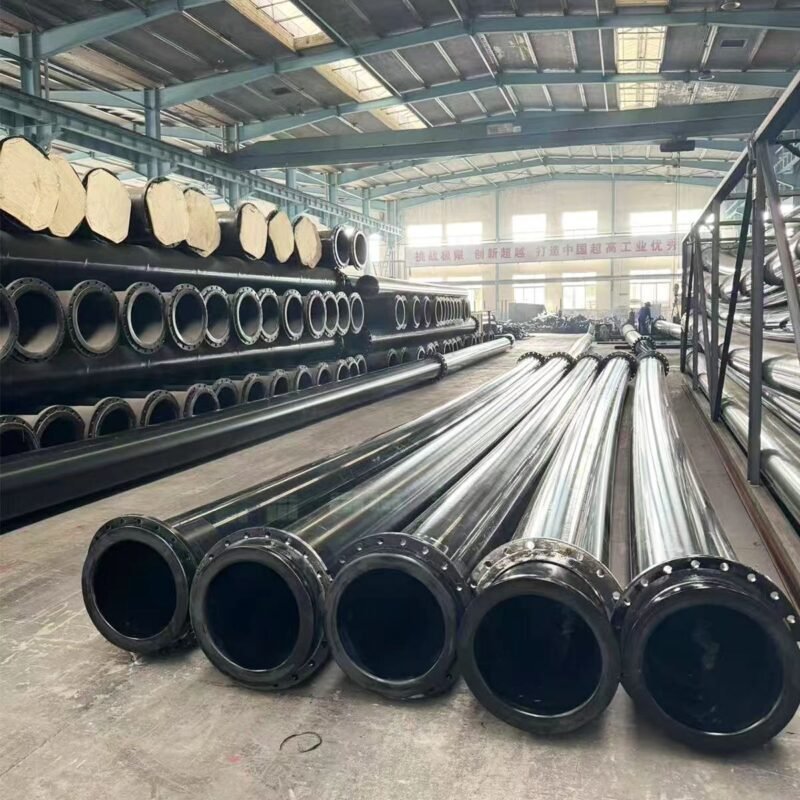
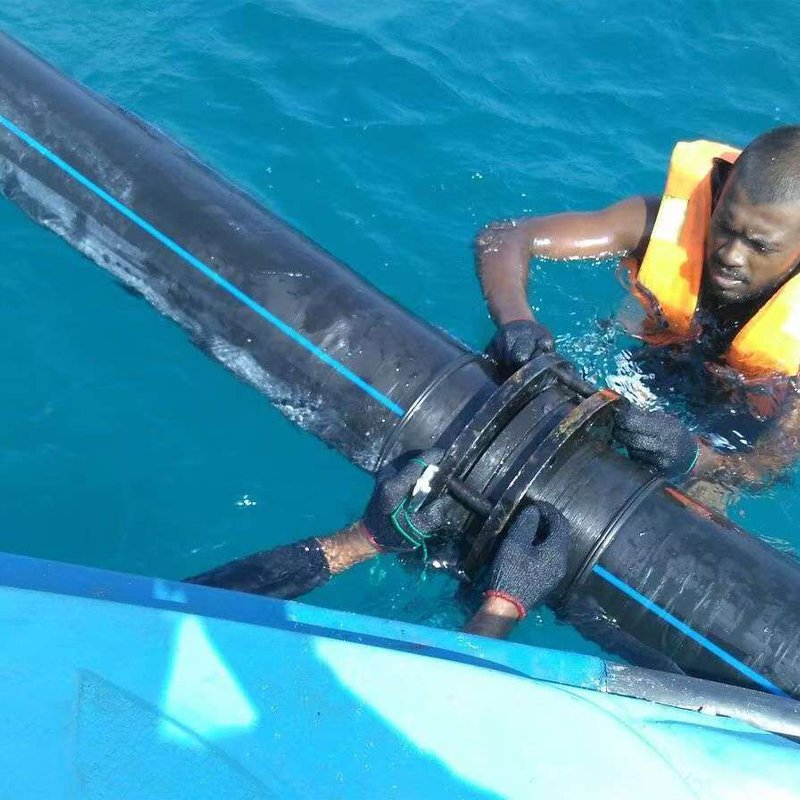
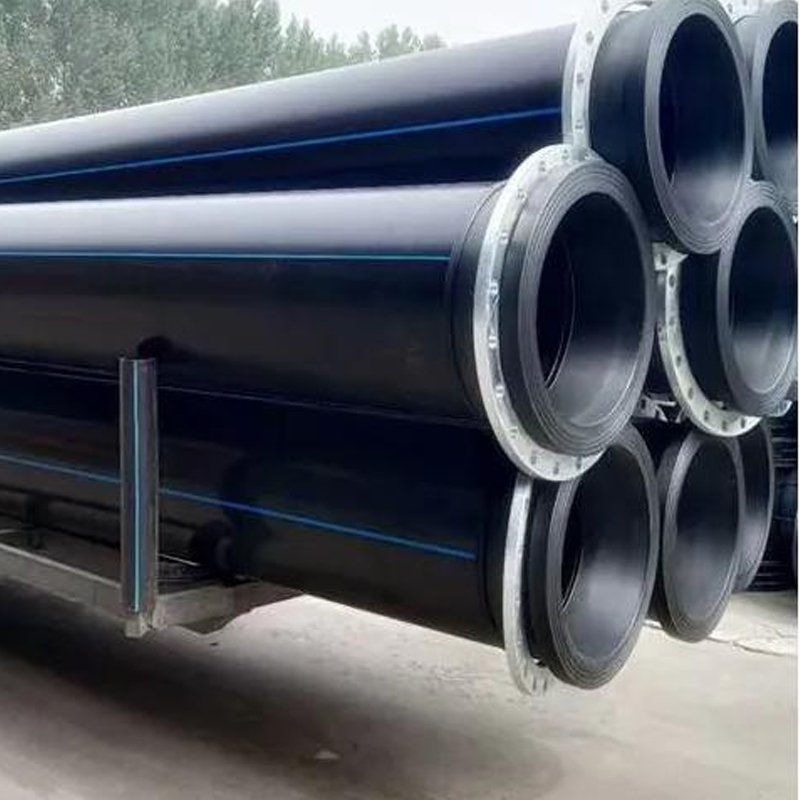
This rubber hose is a key component in dredging projects, mainly used to connect to the pumps, vessels, or floats at the end of dredgers, responsible for conveying mixtures such as mud, gravel, and slurry.
Advantages of End Suction Rubber Hoses
1. Excellent Abrasion and Corrosion Resistance
– Abrasion resistance: The dredging medium (such as sand and gravel) is highly abrasive. End suction rubber hoses typically incorporate wear-resistant materials (e.g., ultra-high molecular weight polyethylene, UHMW-PE) and special rubber formulations, resulting in a service life far exceeding that of ordinary steel pipes or other types of hoses.
– Corrosion resistance: Compared to metal pipes, rubber hoses have natural resistance to seawater, salt spray, and chemical substances in sludge, preventing rust and corrosion, thus reducing maintenance costs.
2. Superior Flexibility and Bendability
– They can adapt to relative movements between ships and underwater terrain, as well as swinging caused by water flow and waves, avoiding stress concentration and damage from rigid connections.
– Easy to lay and adjust, offering high flexibility in complex working environments.
3. High Strength and Pressure Resistance
– Featuring multi-layer high-tension synthetic fiber or steel wire braided/wound reinforcement layers, they can withstand high pressure and vacuum suction generated by dredging pumps, making them less prone to bursting or collapsing.
4. Lightweight and Easy to Operate
– Compared to steel pipes of the same specifications, rubber hoses are much lighter, facilitating easier handling, connection, and disassembly on ship decks. This effectively improves work efficiency and reduces labor intensity.
5. Shock Absorption and Noise Reduction
– The rubber material effectively absorbs vibrations and pulses generated during pumping, reducing impact on the entire dredging system.
– It also has good sound insulation properties, lowering noise pollution during operations.
6. Anti-Fouling
– With a smooth inner wall, it is less likely to accumulate sticky mud and sand, reducing the risk of clogging and ensuring conveying efficiency.
Disadvantages of End Suction Rubber Hoses
1. Higher Initial Investment Cost
– High-performance specialized dredging rubber hoses, due to their complex manufacturing processes and expensive wear-resistant materials, typically have a higher single-purchase cost than ordinary steel pipes.
2. Weak Resistance to External Damage
– Although abrasion-resistant, the rubber outer layer is relatively easy to be cut, scratched, or torn by sharp objects (such as rocks, shipwreck debris, dock edges), especially during dragging and friction with hard objects.
3. Limited Temperature Resistance
– Most rubber materials have poor tolerance to prolonged high temperatures. If the conveyed medium temperature is excessively high for a long time, it will accelerate rubber aging, reducing its physical properties and service life.
4. Aging Issues
– Like all rubber products, they are gradually affected by ozone and ultraviolet radiation (long-term exposure to sunlight), leading to aging, hardening, and cracking. Even when not in use, they have a certain lifespan.
5. Limited Pressure Capacity
– Despite strong pressure resistance, in ultra-high-pressure conditions (e.g., some large-scale, deep-water dredging projects), their safety may still be inferior to thick-walled steel pipes. They have clear design limitations on working pressure.
6. Size and Length Restrictions
– Rubber hoses with ultra-large diameters (e.g., over 1 meter) or ultra-long lengths will become extremely difficult and cumbersome to manufacture, transport, and operate on-site.
Summary and Comparison
To gain a more intuitive understanding, we can briefly compare it with another major type of pipeline in dredging engineering—steel pipelines:
| Characteristic | End Dredging Rubber Hose | Steel Dredging Pipe |
|——————————|————————–|—————————|
| Abrasion Resistance | Excellent (against particle wear) | Good (but damage after wear is permanent) |
| Corrosion Resistance | Good | Poor (requires special anti-corrosion treatment) |
| Flexibility | Excellent | None |
| Weight | Light | Heavy |
| Resistance to External Damage| Poor | Excellent |
| Initial Cost | Higher | Lower |
| Maintenance Cost | Lower | Higher (requires anti-corrosion and repairs) |
| Applicable Scenarios | Vessel connection points, dynamic areas, complex terrains | Fixed pipelines, main conveying lines, seabed laying |
Conclusion:
The end dredging rubber hose is an indispensable flexible connecting component in dredging engineering. Its advantages of excellent abrasion resistance, corrosion resistance, flexibility, and light weight make it perform exceptionally well in dynamic and highly abrasive working conditions. However, its weak resistance to external mechanical damage, high cost, and aging issues are factors that users must consider when selecting and using it.
In practical applications, rubber hoses are often combined with steel pipes based on specific working conditions (such as medium composition, pressure, water depth, environmental dynamics, etc.) to leverage their respective strengths and maximize economy and efficiency. Rubber hoses are commonly used at the most critical wear points and dynamic connection points, while steel pipes are used for long-distance fixed pipelines.