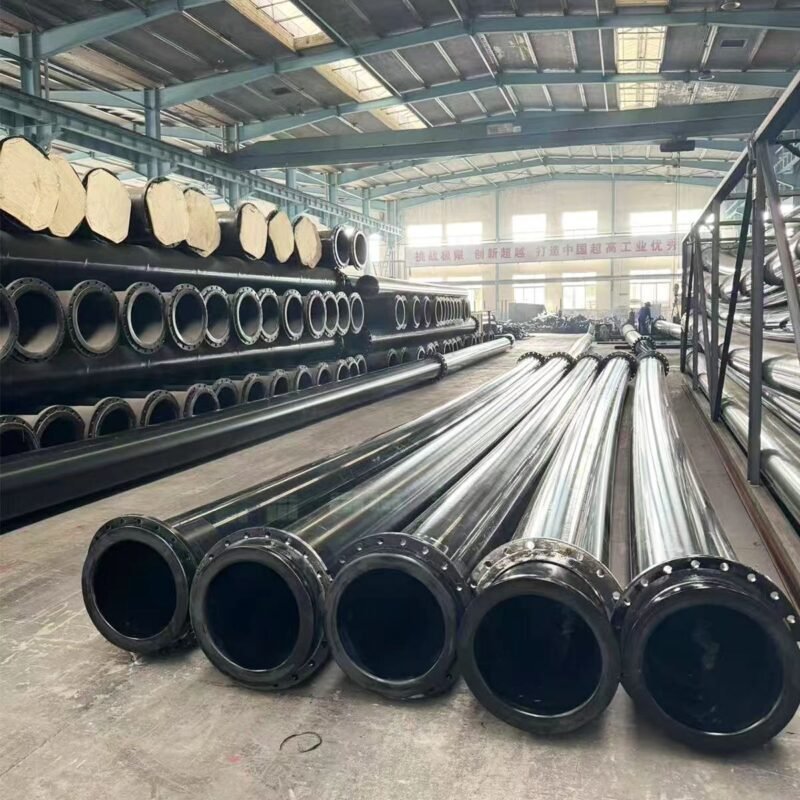
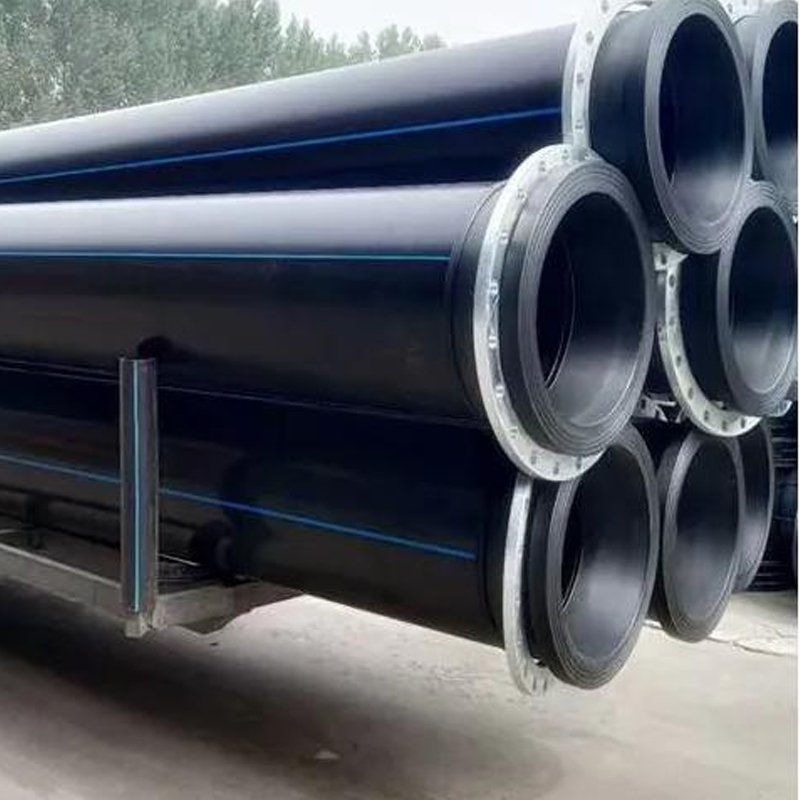
Analysis of the Advantages and Applications of Internal Armor Dredging Rubber Hoses
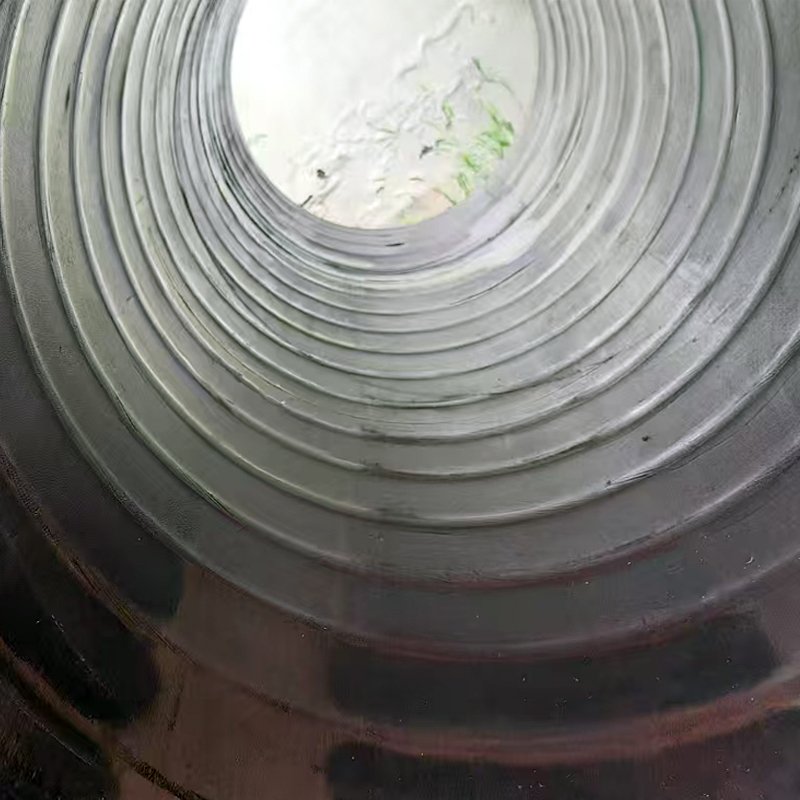
Inner armor (also known as inner armoring) dredging rubber hoses achieve a combination of wear resistance, pressure resistance, and flexibility by adding a metal armor layer (usually wear-resistant steel rings) to the inner wall of the hose. They are particularly suitable for conveying hard and abrasive materials such as coral reefs and gravel. Their main advantages are as follows.
Core Advantages
Specific Manifestations and Benefits
Key Supporting Technologies/Explanations
Extreme Wear Resistance and Long Service Life
The service life is 3~5 times higher than that of ordinary rubber hoses, making it particularly suitable for harsh working conditions involving the conveyance of hard and erosive materials such as coral reefs, gravel, and coarse sand.
The inner wall is equipped with a wear-resistant metal armor tube or wear-resistant steel ring throughout, which directly withstands material erosion.
High Pressure and High Strength Bearing Capacity
It can withstand higher working pressures, ensuring safety and stability during long-distance, high-concentration slurry conveyance.
Combining the internal metal armor layer with a high-strength skeleton layer in the pipe wall (such as multi-layer vulcanized canvas cords, steel wire spiral layers) provides structural support collectively.
Excellent Flexibility and Bending Performance
While maintaining wear resistance, it possesses good bendability; optimized designs (such as steel rings arranged at an inclined angle) can further enhance bending capability, adapting to complex terrains and undulating water surfaces.
The rubber matrix provides natural flexibility, and optimized armor structure design avoids excessive rigidity, allowing it to replace some cumbersome metal pipe connections.
Wide Range of Working Condition Adaptability
In accordance with national standards, it is suitable for environmental temperatures ranging from -20℃ to +60℃, and can convey mixtures such as seawater, freshwater, silt, clay, sand, and coral reefs with densities between 1.0~2.3 g/cm³.
The product complies with the national standard GB/T 33382-2016, ensuring reliable use across a wide temperature range and different media.
🚧 Main Application Scenarios
The Inner-Armored Dredging Rubber Hose is primarily used in the following harsh engineering environments:
– Dredging and Reclamation Projects: Used for port channel dredging, river, lake, and reservoir sediment removal, land reclamation, etc., to convey mixtures containing sand, stones, and silt.
– Mining and Industrial Fields: Used for conveying pulp with coarse particles and high abrasiveness or industrial waste residue.
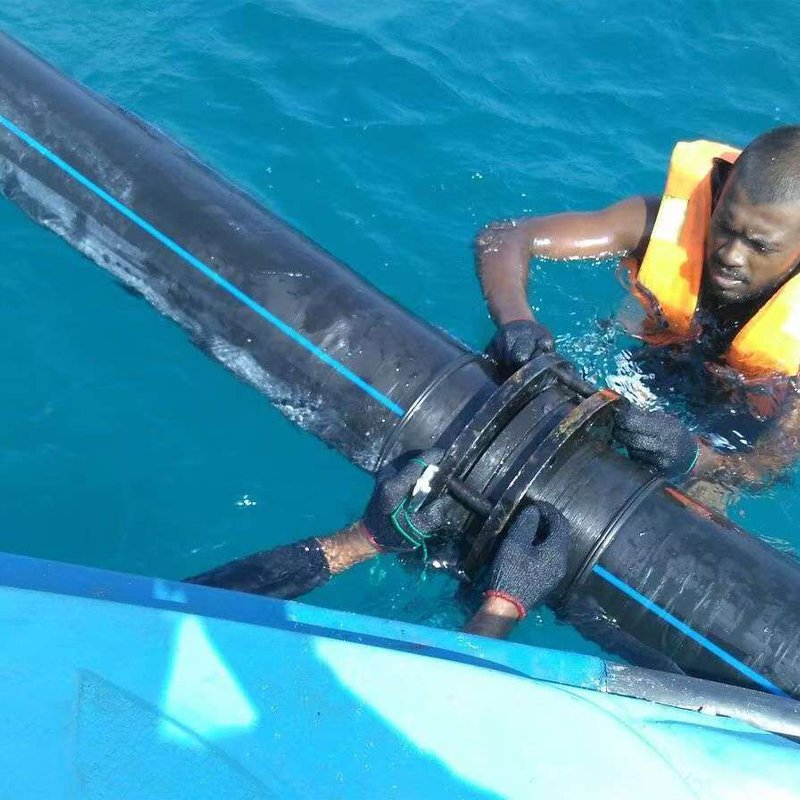
– Special Terrain and Marine Operations: Thanks to its excellent flexibility, it is often used in pipeline connections that require bending and movement, or as part of floating pipelines on water surfaces, to adapt to displacements caused by waves and ocean currents.
🔍 Purchase and Usage Precautions
When purchasing and using the Inner-Armored Dredging Rubber Hose, the following points should be noted:
– Clarify Standards and Parameters: Prioritize products that meet the national standard GB/T 33382-2016. Key parameters include inner diameter and length, working pressure grade, applicable temperature range (e.g., -20℃~60℃), and maximum density of the conveyed medium (e.g., ≤2.3 g/cm³).
– Pay Attention to Structural Details: Different inner armor structures (such as steel ring arrangement methods, inclination angles, and materials) will affect overall performance. For example, an optimized steel ring arrangement can better balance wear resistance and bending performance.
– Value Supplier Qualifications: Choose regular manufacturers with rich experience and technical R&D capabilities. Prioritize enterprises with provincial-level R&D center qualifications or multiple relevant patents, as their product quality is more guaranteed.
In summary, the core value of the Inner-Armored Dredging Rubber Hose lies in using the \”stiffness\” of metal to resist wear and the \”flexibility\” of rubber to adapt to complex conditions, effectively solving the pain point of traditional pipelines where \”high wear resistance means strong stiffness, and high flexibility means poor wear resistance\”.
If you can share specific types of engineering applications (such as marine dredging, mining transportation, etc.) and main characteristics of the conveyed materials (such as particle size, hardness, etc.), I can provide more targeted analysis.