Analysis of Characteristics and Applications of Ultra-High Molecular Weight Polyethylene Pipes
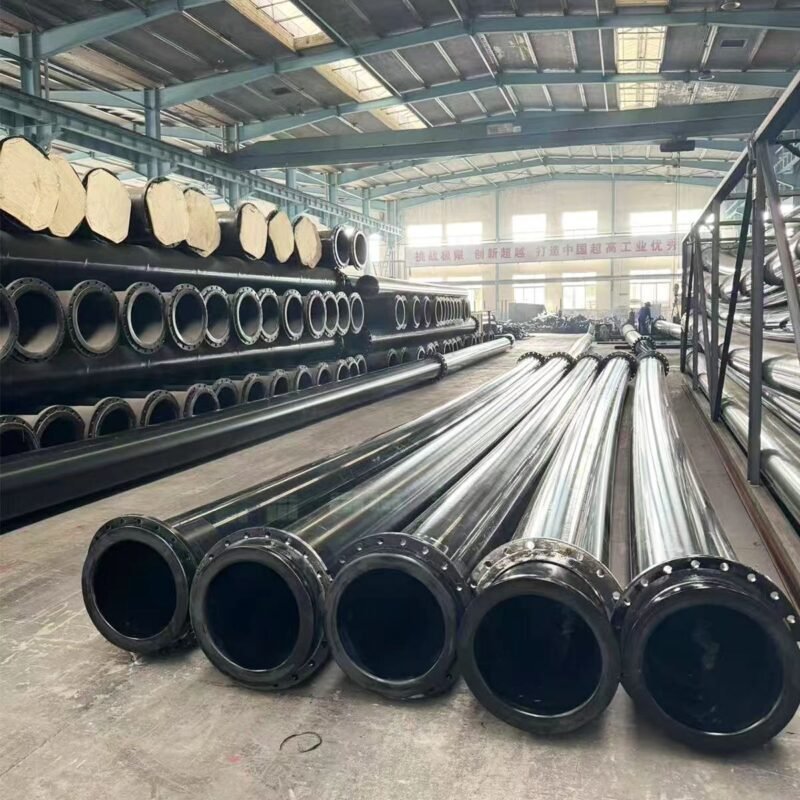
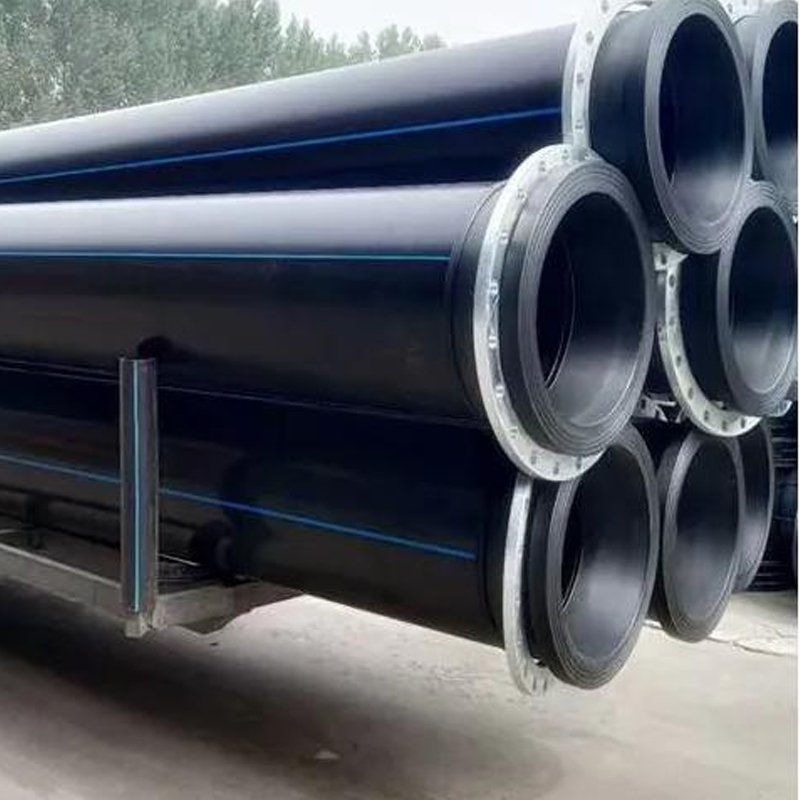
Ultra-high molecular weight polyethylene pipe (UHMWPE pipe), also known as ultra-high molecular weight polyethylene pipe, is a high-performance engineering plastic pipe designed to withstand harsh industrial conveying environments.
The following table summarizes its core characteristics for quick understanding:
| Characteristic Category | Specific Manifestation | Key Data/Comparison |
| Physical and Mechanical Properties | Abrasion Resistance | 4-7 times that of ordinary carbon steel pipe, about 27 times that of stainless steel pipe |
| | Impact Resistance | 10 times that of nylon 66; impact resistance increases at lower temperatures |
| | Friction Coefficient | Extremely low (approximately 0.09-0.10), good self-lubricity, small flow resistance |
| Chemical and Environmental Properties | Corrosion Resistance | Can withstand erosion by various acids, alkalis, salts, and organic solvents (such as 75% sulfuric acid, 80% hydrochloric acid, etc.) |
| | Scale Resistance | Smooth surface and non-polar, making material less likely to adhere, maintaining high flow capacity over the long term |
| | Temperature Range | -269°C to +80°C, excellent low-temperature resistance, one of the few engineering plastics that can work near absolute zero |
| Service Life | Theoretical service life can reach hundreds of years; after 50 years of buried use, mechanical properties can still maintain over 80% |
| Installation and Economy | Weight | Density is approximately 0.93-0.95 g/cm³, weight is only 1/8 that of steel pipe, convenient for transportation and installation |
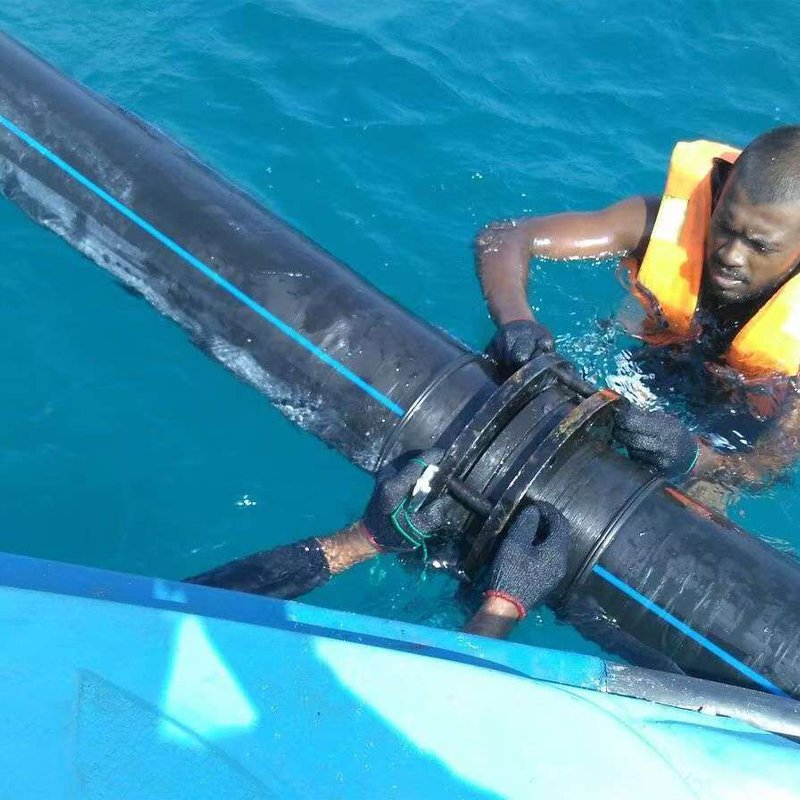
| | Connection Method | Mainly uses electric heat fusion welding or flange connection, ensuring firm and reliable connection |
| | Comprehensive Cost | Although the unit price of the pipe may be higher, due to its ultra-long service life, maintenance-free characteristics, and low flow resistance advantages, the comprehensive cost over the entire life cycle is much lower than metal pipes |
💡 Main Application Fields
Thanks to the above excellent properties, ultra-high molecular weight polyethylene pipes have successfully replaced traditional metal pipes in multiple industrial fields with high requirements for wear resistance and corrosion resistance. Specific applications include:
– Mining and Metallurgy: Used to convey abrasive solid-liquid mixtures such as mine pulp, tailings, and concentrates, effectively solving the industry’s pain point of short service life of traditional steel pipes (usually only 1-2 years).
– Electric Power Industry: Used for conveying fly ash and slag in power plants, effectively addressing pipeline scaling and wear issues to ensure stable operation of the conveying system.
– Petrochemical Industry: Suitable for conveying crude oil, corrosive chemical media, etc., withstanding erosion by various chemical media and offering higher safety.
– Dredging and Salt Chemical Industry: Can be used for river silt removal and sludge discharge, as well as for conveying sea salt and brine, with corrosion resistance and wear resistance matching the requirements of harsh working conditions.
– Other Fields: Also widely used in grain conveying, building materials production, municipal engineering, and other fields.
📌 Notes on Selection and Use
During the selection and use of ultra-high molecular weight polyethylene pipes, the following key points need to be focused on:
1. Upper Temperature Limit: Its long-term working temperature should not exceed 80°C. High-temperature environments will cause the pipe material to soften, thereby reducing pressure-bearing capacity and affecting usage safety.
2. Pressure Rating: It belongs to medium and low-pressure pipes, with a common working pressure range of 1.0-2.5 MPa. If used in higher pressure scenarios or with special requirements, pipes with metal mesh skeleton reinforcement or steel-plastic composite structures can be selected.
3. Connection Reliability: Electric heat fusion welding is a critical process to ensure the sealability and overall strength of the pipeline system. It must be operated by professional personnel in accordance with standard procedures to avoid leakage and other issues caused by improper connections.
💎 Summary
In conclusion, ultra-high molecular weight pipes are the ideal piping material for solving challenges related to high wear, strong corrosion, and easy scaling in conveying applications. Their core advantages lie in an exceptionally long service life and extremely low comprehensive maintenance costs, providing an efficient, stable, and economical solution for industrial conveying scenarios.
If you could inform me of the specific types of materials to be conveyed using ultra-high molecular weight pipes (such as pulp, chemicals, powders, etc.), along with the working temperature and pressure ranges, I can further provide more targeted selection and application analysis for you.