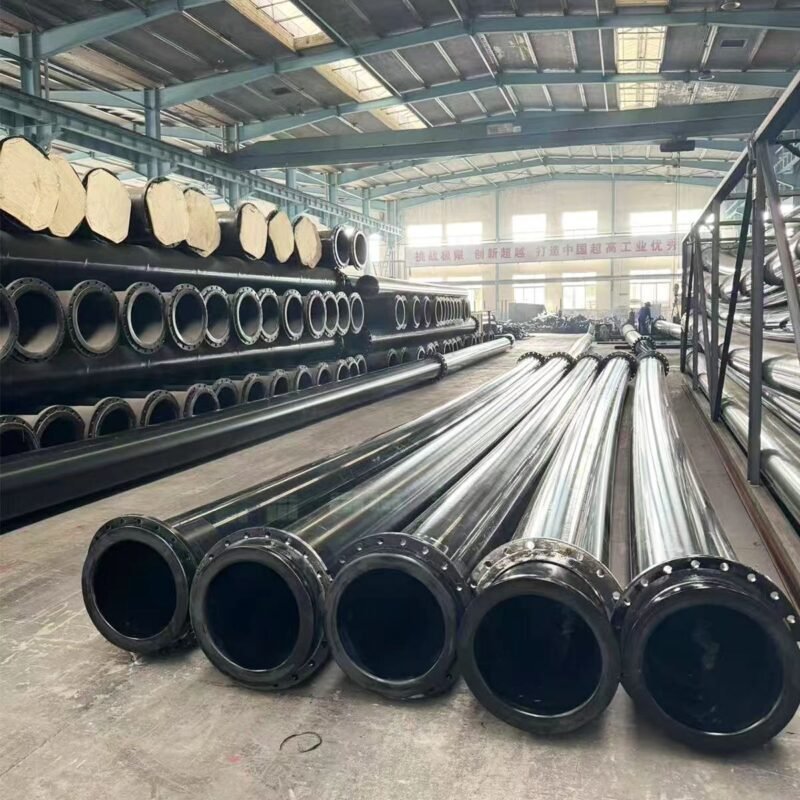
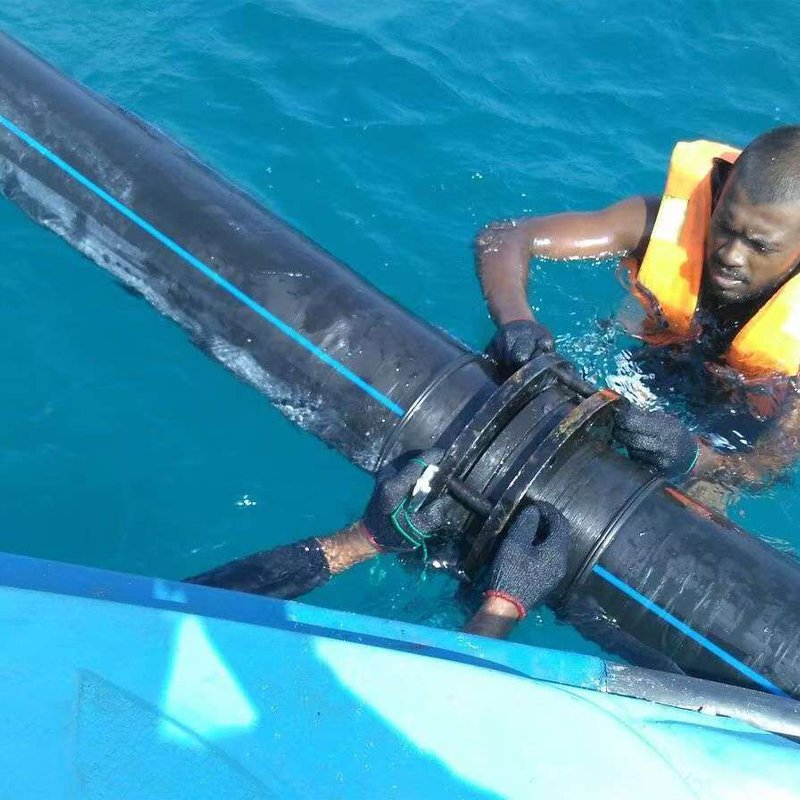
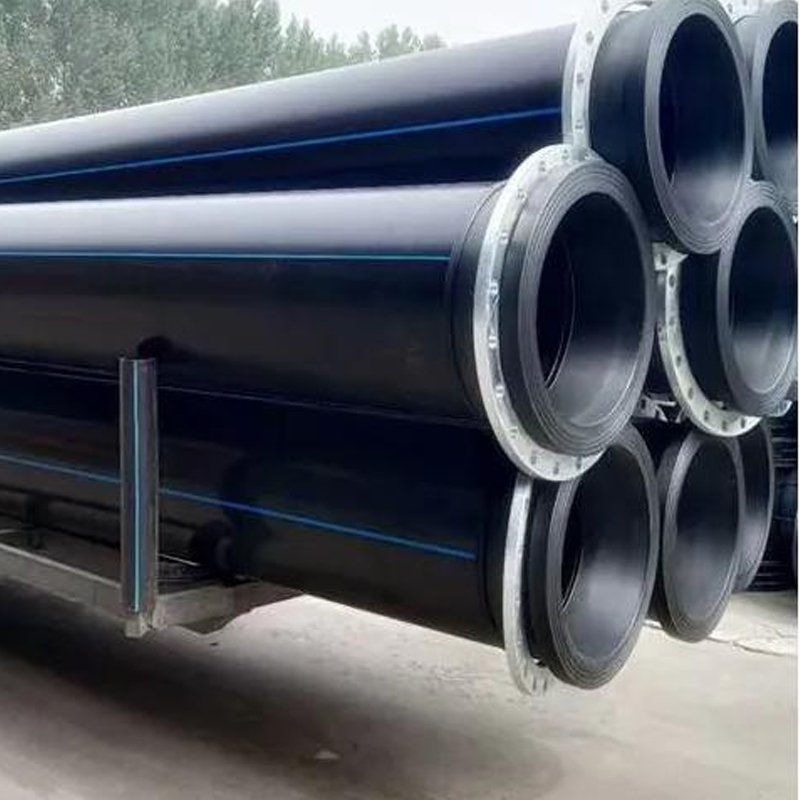
Advantages of incline rubber hoses
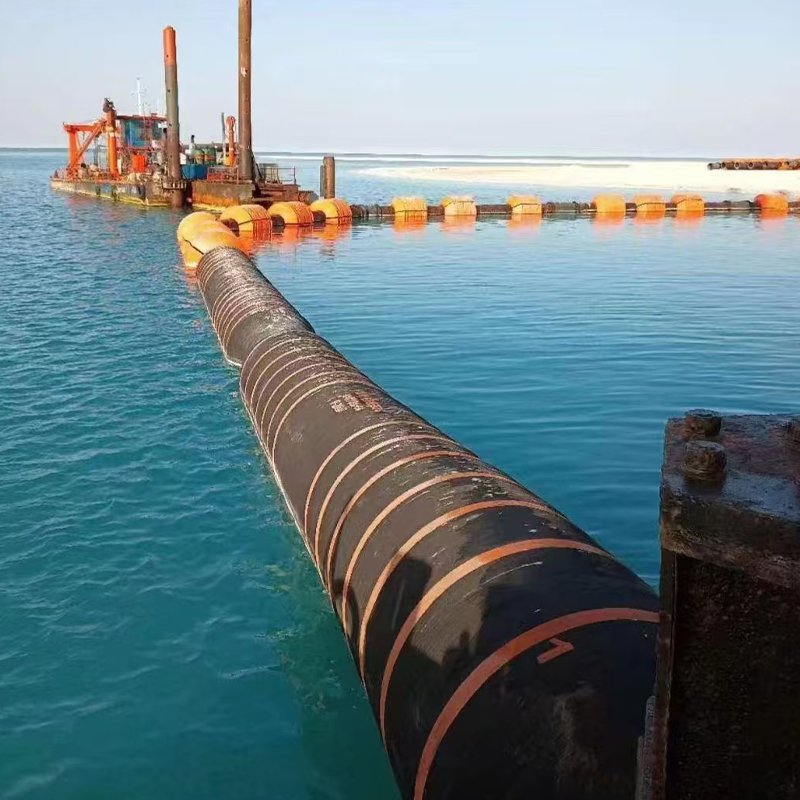
Core Definition
Slope rubber hoses are typically heavy-duty rubber flexible hoses with a multi-layer structure. Their design features include:
• Inner layer: High-wear-resistant rubber (such as natural rubber, styrene-butadiene rubber, etc.).
• Reinforcement layer: Multiple layers of high-strength fabric (such as polyester cord) and/or steel wire winding/woven to withstand high pressure and high tensile force.
• Outer layer: Protective rubber with anti-aging, weather resistance, and sometimes oil resistance.
Advantages
1. Excellent wear resistance
◦ Primary advantage: Specifically designed for conveying abrasive materials (such as sand and gravel, slag, ash residue), its wear life is far longer than that of ordinary steel pipes (in some conditions, it can reach 3-5 times that of steel pipes) and other plastic hoses. This is the fundamental value of its existence.
2. Superior flexibility and bendability
◦ Can be easily bent and routed around obstacles, adapting to complex slope and terrain paths, with very flexible installation and layout.
◦ Can absorb equipment vibration and certain impacts, reducing stress on connected equipment.
3. High strength and pressure-bearing capacity
◦ The multi-layer reinforced structure allows it to withstand higher internal working pressure (ranging from several bars to tens of bars depending on the model), while resisting external compression and tension, making it particularly suitable for long-distance, steep-slope pumping.
4. Anti-clogging and good flowability
◦ The smooth rubber inner wall has a low friction coefficient, which is conducive to material flow and reduces clogging risks.
◦ Flexibility allows it to remain unobstructed during pulsating conveying or flow changes.
5. Good sealing and convenient connection
◦ Usually connected via standard flanges or quick couplings, enabling quick installation and disassembly while maintaining good sealing to prevent leakage.
6. Certain corrosion resistance
◦ Compared to metal pipes, it has better corrosion resistance to many acidic and alkaline media (especially when the inner layer is specially designed), making it suitable for harsh environments such as mines and metallurgy.
7. Relatively lighter weight and easy to handle
◦ Compared to steel pipes of the same specification, it is much lighter, facilitating movement, installation, and temporary laying.